UC ANR is committed to providing an accessible and inclusive web experience for all users. If you encounter an accessibility barrier or need content in an alternative or remediated accessible format, please contact anraccessibility@ucanr.edu.
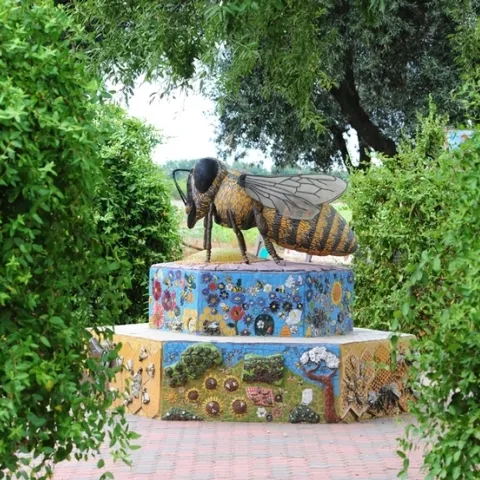
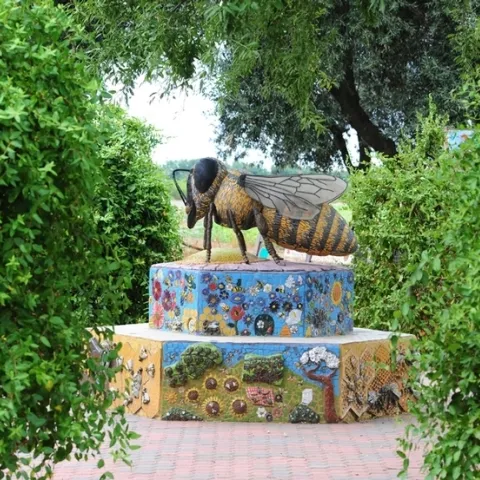
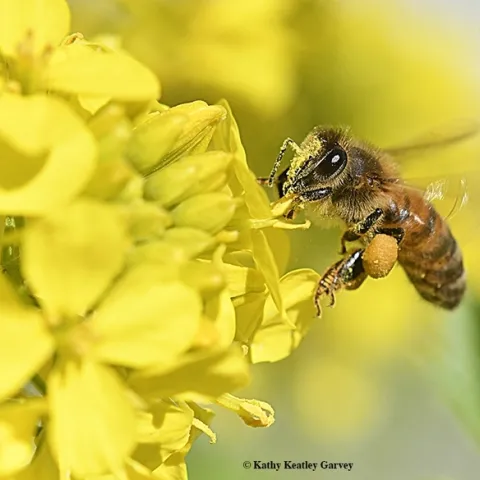
It's science-based and it's family friendly. And it's where you can learn more about honey bees, orchid bees, Asian giant hornets, nematodes, yeast, plants, raptors and other topics that are part of the UC Davis museums and collections.
If you missed the Managing Weeds in Grasslands and Rangelands in the Context of Fire in California webinar on Nov. 18, 2020 (9 AM-12 noon PST), you're in luck. We have the recordings of each presentation here.
Want to learn more about honey bees, orchid bees, Asian giant hornets, nematodes, yeast, plants, raptors and other topics that are part of the UC Davis museums and collections?
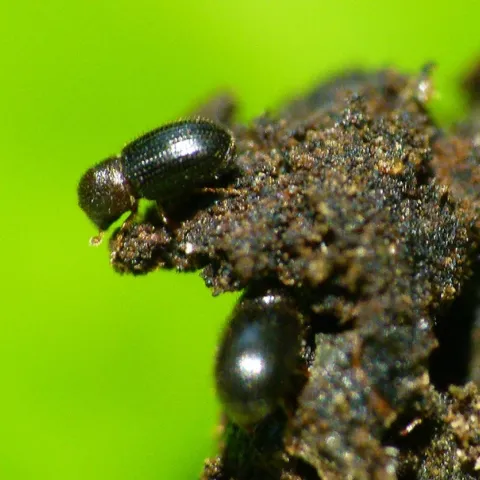
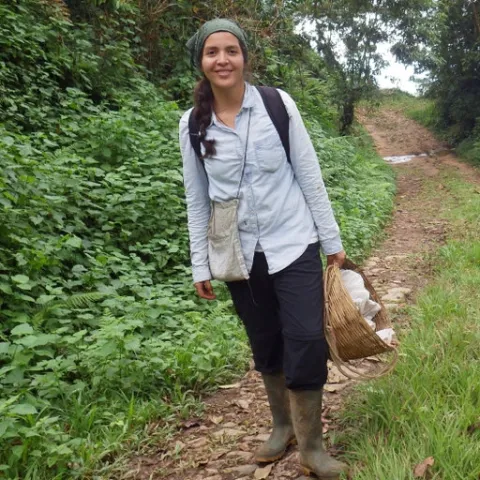
When you're drinking your daily cup of Joe to power your day, do you ever think about coffee plantation pests, such as the coffee borer beetle, aka coffee berry borer, Hypothenemus hampei? Agroecologist Estel Jimnez-Soto, a postdoctoral scholar/lecturer at UC Santa Cruz, does.
Agroecologist Estel Jimnez-Soto, a postdoctoral scholar/lecturer at UC Santa Cruz, will speak on "A Complex Cup of Joe: Biodiversity, Pest Control and Political Ecologies in Mexican Coffee Agroforests" at the UC Davis Department of Entomology and Nematology virtual seminar at 4:10 p.m.
With the Super Bowl coming up this weekend, you may be planning delicious snacks to enjoy while watching the game. We, on the other hand, are thinking about how IPM can help home gardeners with some of the fruits and vegetables they grow that might be enjoyed on Super Bowl Sunday.
UC Davis medical entomologist-geneticist Geoffrey Attardo, a global authority on tsetse flies, is the principal investigator of a research project at the Lawrence Berkeley National Laboratory (Berkeley Lab) that involves scanning the entire reproductive cycle of the fly.
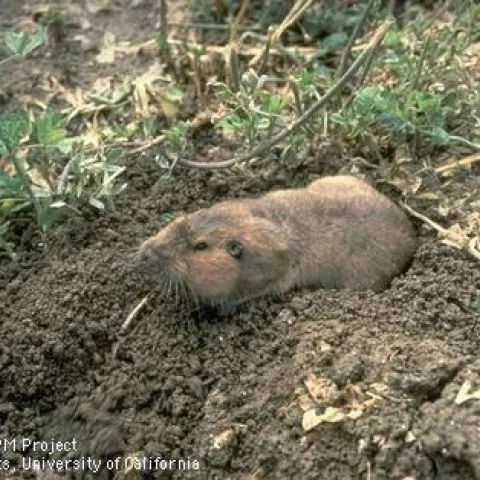
Annually on February 2, groundhogs get a lot of coverage. Groundhogs, also known as woodchucks, are burrowing rodents often found in the eastern United States. But in California, any shadows from burrowing rodents are unlikely to be a groundhog.
It's all about the birds and the bees and the flowers and the... Think birds and bats, honey bees and hornets, butterflies and beetles, and the flowers they pollinate. Think yeast cultures and cougars, and nematodes and nightingales, and lions and ladybugs.