UC ANR is committed to providing an accessible and inclusive web experience for all users. If you encounter an accessibility barrier or need content in an alternative or remediated accessible format, please contact anraccessibility@ucanr.edu.
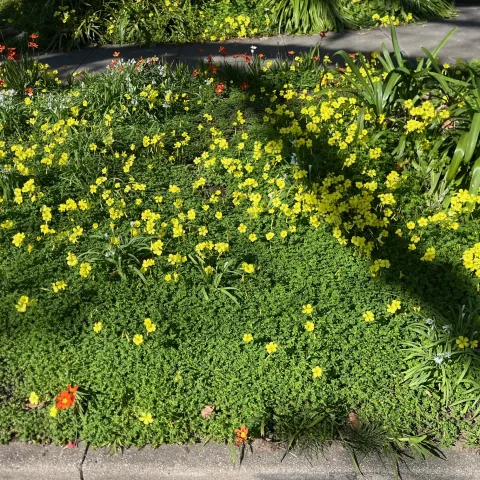
Bermuda buttercup (Oxalis pes-caprae), also called buttercup oxalis or sourgrass, might be a familiar sight in winter and spring, particularly to those who live in coastal regions or the Sacramento Valley. Some people enjoy seeing this plant’s cheerful yellow flowers pop up in their spring gardens, but for…
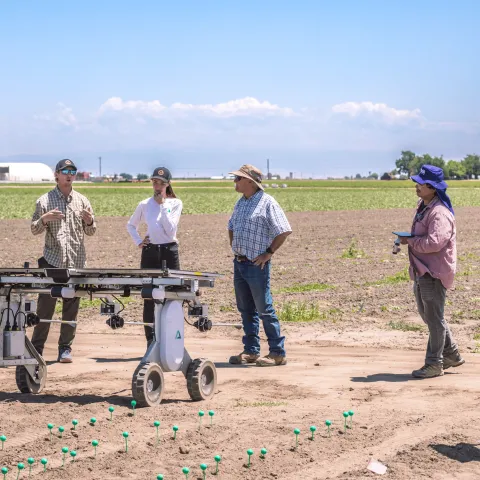
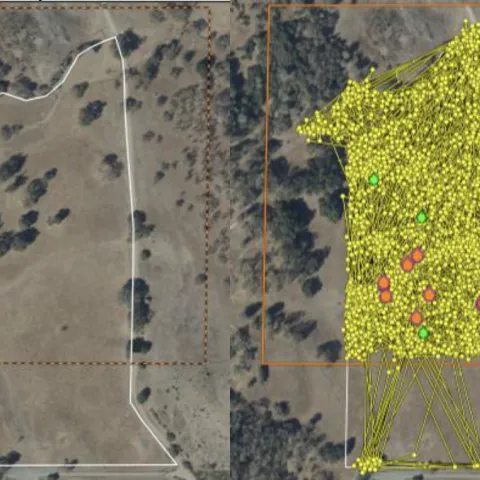
Calibration might sound intimidating, but it’s critical for safe and effective herbicide application. Proper calibration ensures that the correct amount of pesticide is applied to an area while achieving the desired level of pest control. To support land managers and pesticide applicators, the UC Statewide…
UC Cooperative Extension provides information about weed control, native grasses, oak woodland conservation and ranch water quality to landowners, ranchers and others concerned with rangeland conservation in the Central Sierra Foothill Counties.
#409 (365, 267) Lisa Page explains how to plan your vegetable garden. #408 (307, 254) Lisa Page interviews Debbie Elinger - Pruning Roses. #407 (356, 304, 250) Scott Oneto Oblong Spurge, Lisa Page Seed Catalogs.
UCCE Master Gardeners of Central Sierra are here to answer your gardening questions! Fill out the Ask A Master Gardener online form for your county. You can attach photos and we walk you through all of the information that might be pertinent.
Keep an eye on the weather report - protect frost-tender plants when the temperature falls below 32 degrees. Divide perennials like daylilies and chrysanthemums. Prune crepe myrtles, cane berries, and roses, and clean-up trimmings.
Acetic acid, also known as vinegar, is used in products for weed control. Many people choose it because it is natural. However, acetic acid can damage skin and eyes, especially at concentrations commonly found in weed killers.
Nutsedges are aggressive and persistent weeds that commonly infest lawns, vegetable and flower gardens, and landscapes. These perennial sedges are a problem in lawns because they grow faster than turfgrasses and result in non-uniform turf.
Pampasgrass (Cortaderia selloana) is a common ornamental landscape plant that readily naturalizes throughout California's coastal areas and some interior regions.
Hydrilla (Hydrilla verticillata) is an invasive, aquatic weed that can be found in many slow-moving fresh water bodies in California. The plant forms large mats that can crowd out native plants, restrict water flow, and interfere with boating and fishing.