UC ANR is committed to providing an accessible and inclusive web experience for all users. If you encounter an accessibility barrier on this or need content in an alternative or remediated accessible format, please contact anraccessibility@ucanr.edu.
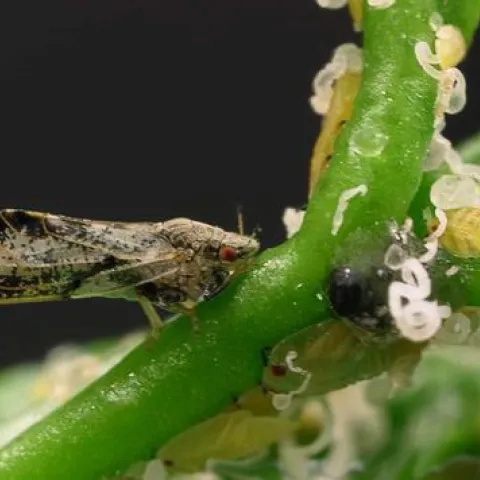
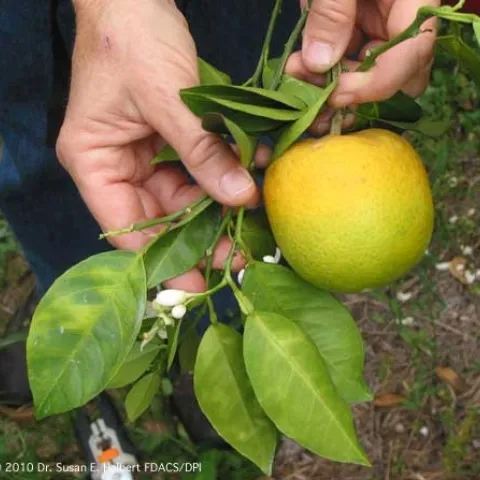
As part of our coverage of California Invasive Species Action Week, today we focus on a pair of invasive species that work together: an insect called the Asian citrus psyllid and the plant disease it can spread, huanglongbing.
Did you know that every 60 days, a new and potentially damaging invasive species enters California? California residents can help in the fight against invasive species by learning and participating next week (June 2-10) in the California Invasive Species Action Week.
San Luis Obispo County has seen more than 20 detections of Asian citrus psyllid (ACP) since January 2018, according to Citrus Insider. The majority of these invasive insects have been found in the backyards of residential properties in the city of Nipomo.
Stone fruit trees like apricot, cherry, nectarine, peach, plum, and prune are a staple of many backyard gardens and landscapes. Unfortunately, there are a variety of pests that can weaken trees and spoil fruit.