In her Zcalo Public Square essay, Nutrition Policy Institute researcher Monica Zuercher explores the benefits of universal school meals, a policy that gained momentum during the COVID-19 pandemic.
Green peas, orange carrot cubes and squares of white tofu sizzled as they were stirred into brown rice in an electric frying pan. Smells good, commented a man walking to the fresh produce display.
The new University of California Agriculture and Natural Resources Foundation has been established to advance UC ANR's essential research and extension mission.
Nematodes, says soil scientist Christine Sprunger of Michigan State University, East Lansing, are "bioindicators of soil health and climate resiliency.
Renowned for pioneering research that leads to exciting new crop varieties like the Luna avocado, the University of California South Coast Research and Extension Center (REC) in Irvine is also an important hub for agricultural education.
By Brianna Aguayo Villalon, Danielle Lee, Monica D Zuercher, Wendi Gosliner
Household food insecurity remains a significant issue in the U.S., particularly among households with children, highlighting the crucial role of school meal programs in mitigating food insecurity and improving children's health and academic performance.
Nutrition Policy Institute researcher, Celeste Felix, will present evaluation findings showing reductions in solid waste when a large, urban California school district transitioned from reheated pre-packaged school meals served with single-use disposables to freshly prepared meals served with reusab...
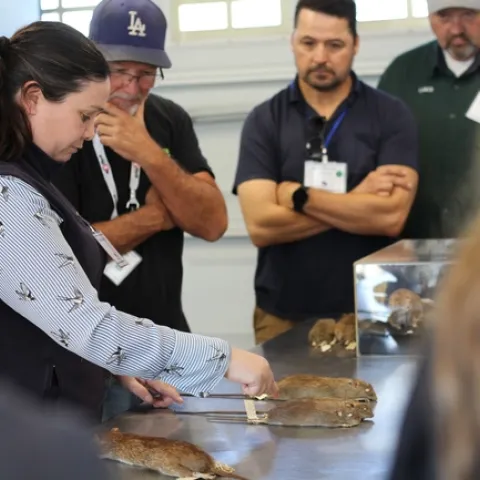
Tail length, fur color, eye size, ear shape and nose structure are some of the characteristics highlighted during the Rodent Speed Dating ID activity at West Coast Rodent Academy (WCRA). If you thought you would find rats at WCRA, you wouldn't be wrong.
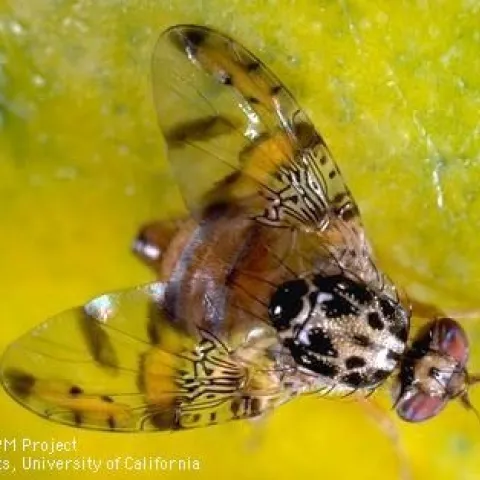
The invasive pest spotlight focuses on emerging or potential invasive pests in California. In this issue we are covering the Mediterranean fruit fly. Mediterranean Fruit Fly Facts The Mediterranean fruit fly, Ceratitis capitata, commonly called Medfly, attacks more than 260 different plant species.