UC ANR is committed to providing an accessible and inclusive web experience for all users. If you encounter an accessibility barrier or need content in an alternative or remediated accessible format, please contact anraccessibility@ucanr.edu.
Gardening
Event Primary Image
UC Master Gardeners of Monterey, San Benito & Santa Cruz Counties: Event
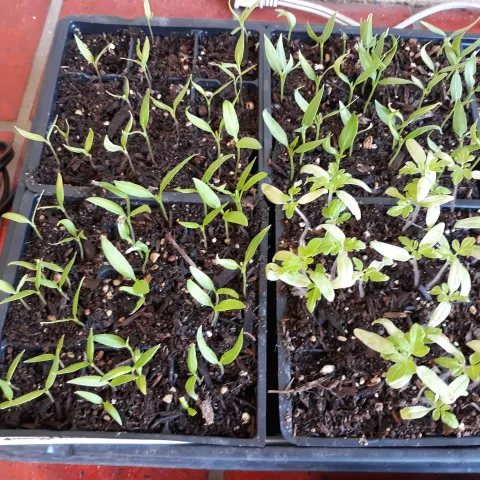
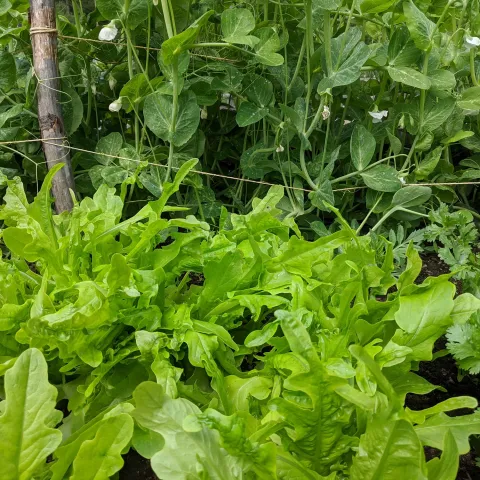
Let's grow veggies!Spring is here and it's time to find out how to prepare your garden beds for high productivity, learn what to plant when, know what to plant from seed versus starts, and discover tips to keep your plants thriving through the summer months. Our class will be taught by a group of…
UC Master Gardeners of Monterey, San Benito & Santa Cruz Counties
Climate Change is creating havoc on the world around us. What can home gardeners do to support the environment around them? How can you make your garden come alive? Master Gardener Suzanne Clarke will suggest ways to attract beneficial insects and butterflies to your garden. Presented By:…
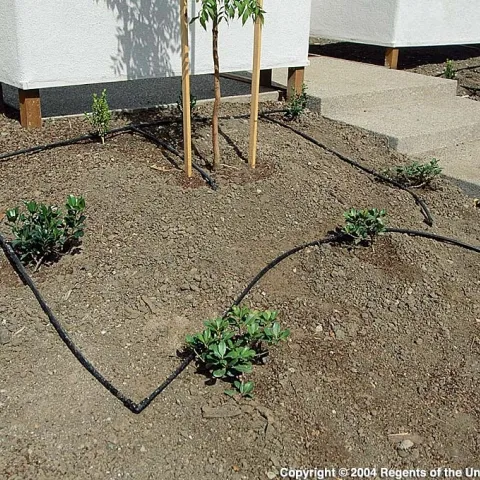
Does your current irrigation system exceed 90% efficiency getting water to the root zones of your plants? This presentation will provide options and key considerations for drip irrigation to put the right amount of water in the right place when plants need it without excess runoff, over-spray, or waste…
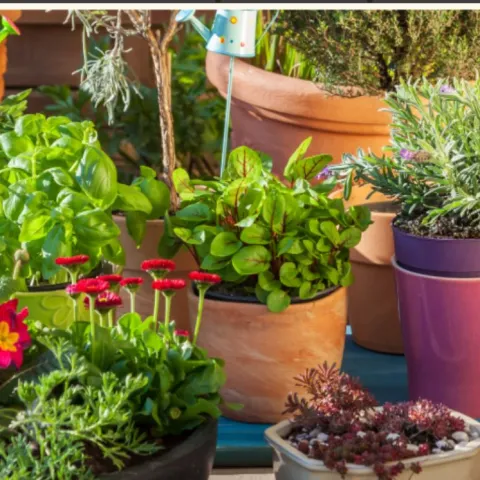
On a balcony or other small space, you can grow an amazing number of plants even without a patch of land. Learn about small-scale food and ornamental gardening in containers! Master Gardeners Nancy Creveling and Ellie Samuel will cover the benefits of container gardening, what makes a suitable…
Descripción: ¡Aprende a cultivar tomates, pimientos, hierbas, ajo y cebolla! Jardinera Maestra Rebecca Flato explicará todo sobre la cultivación de estas plantas. Aprenderemos cómo elegir tomates para el clima de San Mateo, cultivar las plantas, cosechar, y preparar la tierra para la próxima cosecha. No se…
UC Master Gardeners of San Mateo & San Francisco Counties
A handful of select native trees and shrubs can provide comfort for humans and other living things. Careful plant choices can shelter your soil, temper heat extremes, and assist in the health of your local habitat. Beautiful and efficient landscapes can be their own reward, and can help to heal…
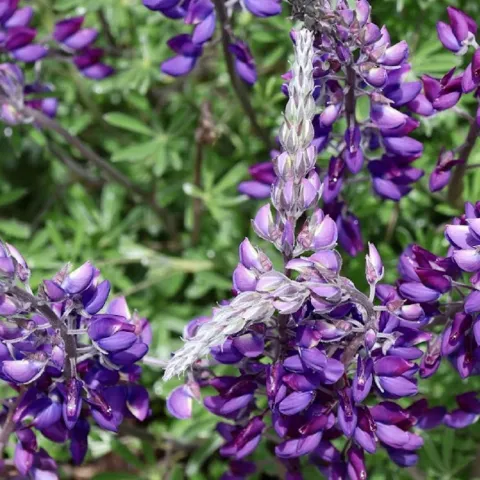
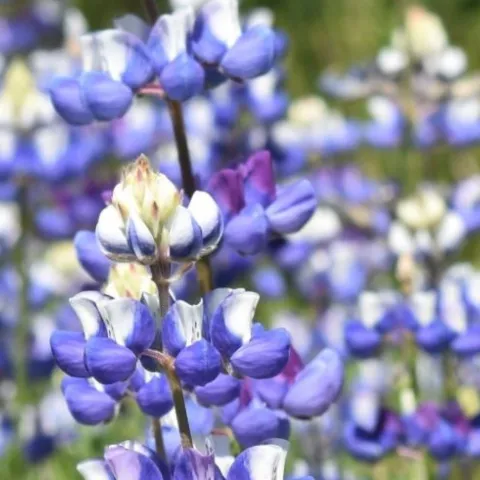
Come and enjoy over 125 high-definition, colorful photographs of California native wildflowers growing in the numerous environments of Sonoma County. Join Sonoma County Master Gardener April Lynch, who has been photographing wildflowers for over two decades, as she takes you on a virtual tour from the…
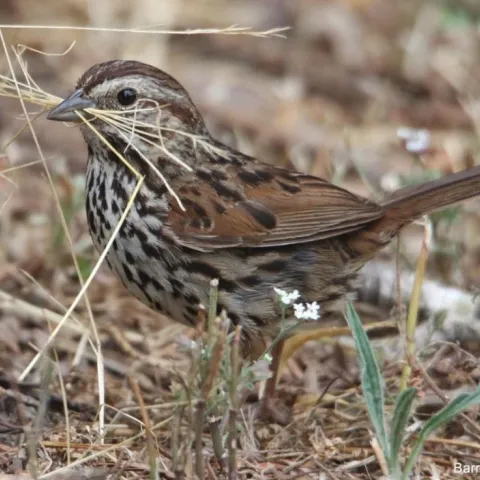
Want to augment your pleasure in the garden by increasing your knowledge of and contact with wildlife - especially the birds that inhabit it? The key to having a rich variety in your garden of bird life – or life of any sort for that matter –is understanding the principle of the ecological niche. No…
The UC Master Gardeners of Sonoma County are hosting “April in the Garden,” a day of live demonstrations showcasing ideas for what to do in your home garden this month.In addition to hosting an information table where experienced Master Gardeners will answer gardeners’ questions, Master Gardener…
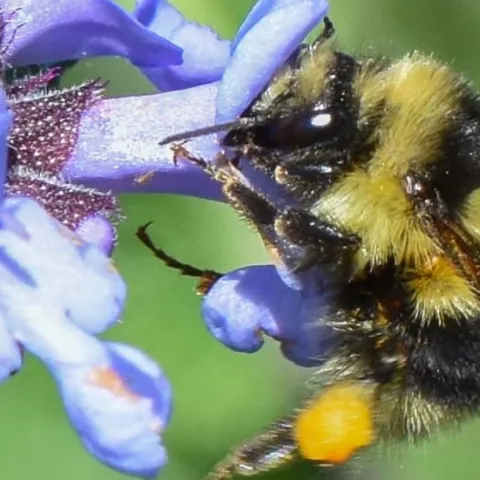
Ready to learn about pollination? Find out about the loving interplay between pollinators and flowers that keeps the ecosystem in balance (and food on our tables!)We will discuss bee nesting habits, hosts and nectar plants and causes for decline in the bee population-and other tips on attracting bees…