Master Gardeners are trained educational outreach volunteers with the University of California Cooperative Extension program; they provide practical scientific horticulture and gardening information to gardeners in their communities across California.
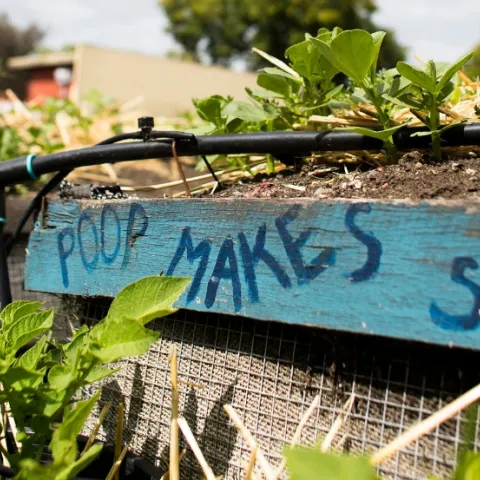
Healthy soil is the secret to a successful garden. Just like you need nutritious food to grow and thrive, your plants need healthy soil to produce beautiful flowers, delicious vegetables, and strong roots.
By Alexander I Putman, Yu-Chen Wang, Christopher A Greer
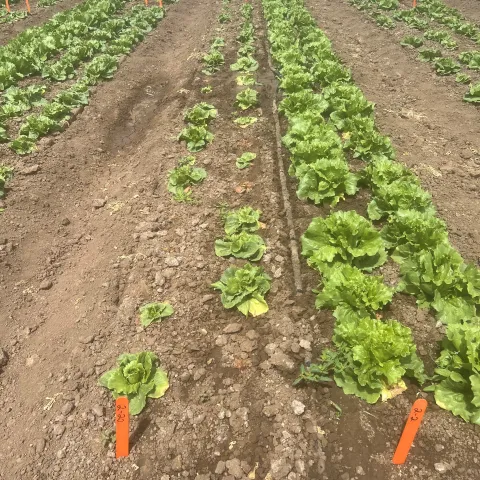
Tolerance of lettuce varieties to Fusarium wilt 2024 Alex Putman, Yu-Chen Wang, and Chris Greer Summary Fusarium wilt of lettuce, caused by Fusarium oxysporum f. sp. lactucae (FOL), is an economically significant disease on the Central Coast of California.
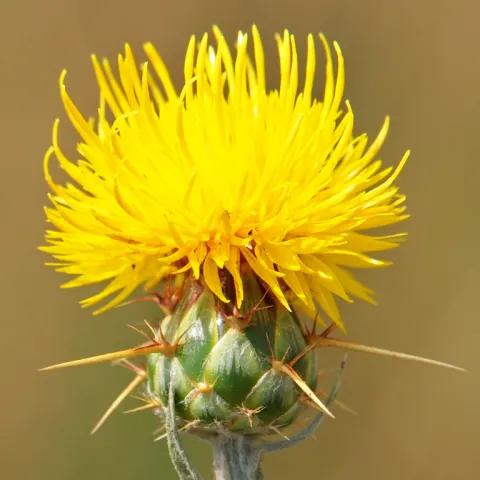
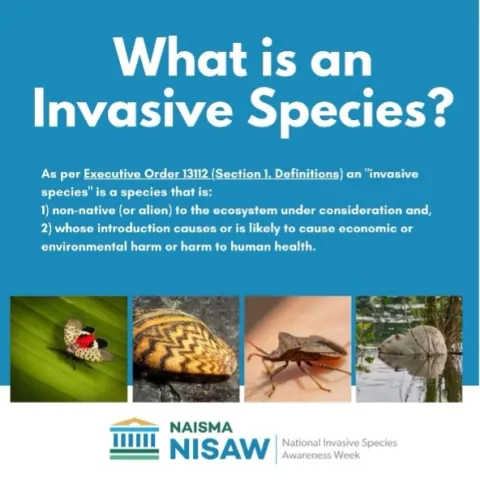
National Invasive Species Week (NISW) happens every year to raise awareness about the growing problem of invasive plants and animals in the United States.
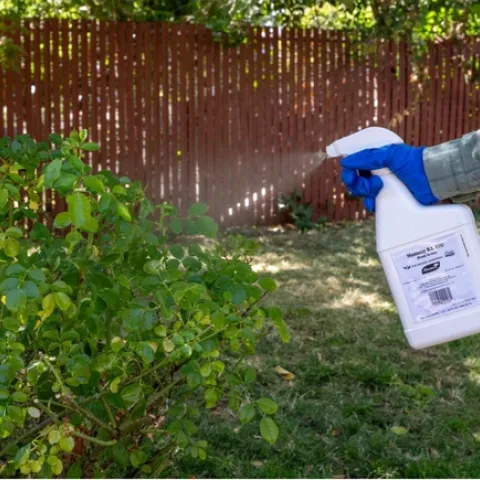
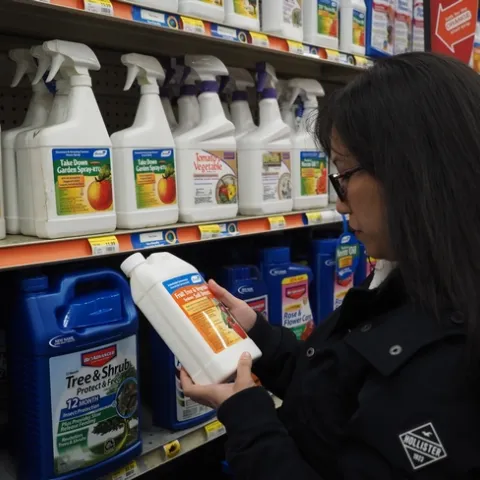
At UC IPM we recognize pesticide safety education every month, but February in particular is National Pesticide Safety Education Month! Below are some simple tips for using pesticides safely to protect yourself, others, wildlife, and the environment.
From February 24 - 28, 2025, help increase public awareness of invasive species and join the fight against invasive species by participating in National Invasive Species Action Week (NISAW).
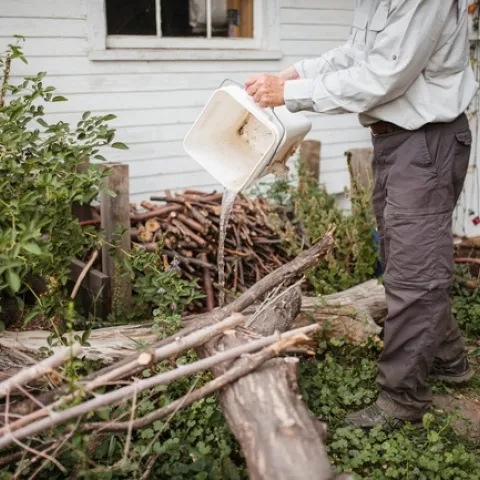
Recent rainfall throughout much of California has created puddles and stagnant water. With the temperature warming up in many parts of the state, this combination can create the perfect situation for mosquitoes to breed. We encourage you to drain after the rain to reduce mosquito-breeding sites.
As of January 1, 2025, popular lawn and garden pesticides belonging to the neonicotinoid class, can no longer be used by home gardeners on outdoor fruit trees, lawns, or ornamental plants in California.
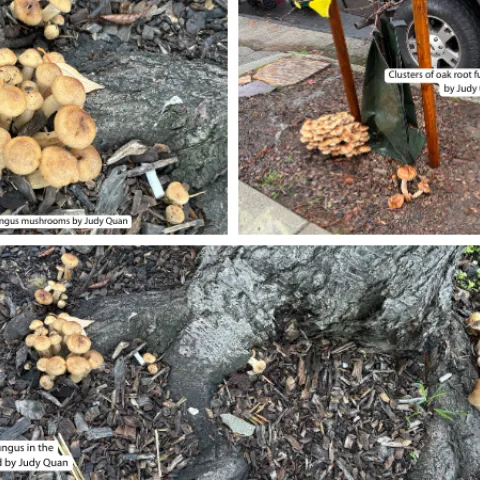
A well-watered plant that suddenly wilts or unexpectedly drops its leaves could be infected with the soil pathogen Phytophthora. The disease it causes, Phytophthora root and crown rot, can affect many plants, including ornamental trees and shrubs, fruit trees, and vegetables.