UC ANR is committed to providing an accessible and inclusive web experience for all users. If you encounter an accessibility barrier or need content in an alternative or remediated accessible format, please contact anraccessibility@ucanr.edu.
Radishs are a crisp, peppery, root vegetable in the Brassica family. Both roots and tops may be eaten. Radishes are easy to grow. They are available in many shapes, sizes and colors. Smaller summer radishes mature quickly while larger winter radishes take several months to mature.
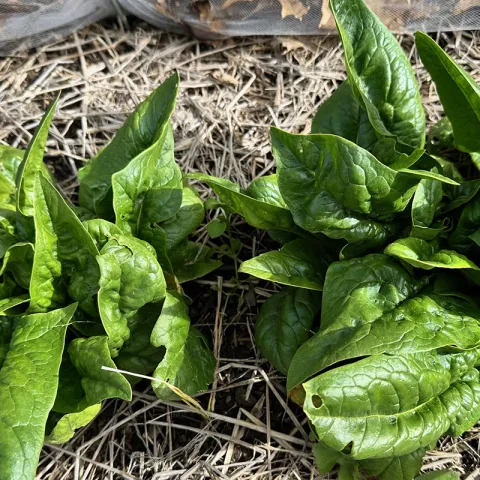
Spinach (Spinacea oleracea) is a cool-season annual crop that matures quickly. It's eaten raw or cooked and is packed with vitamins and minerals. Spinach produces a rosette of leaves that may be wrinkled (savoy or semisavoy types) or smooth (flat leaf types). Leaves are oval, round, or triangular on short…
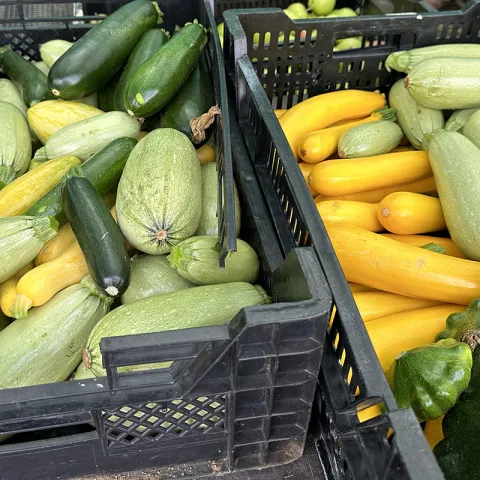
Summer Squash, Cucurbita pepa Grow Sheet. Easy, prolific warm season vegetable. Good source of vitamin A and potassium. High producer; bears fruit until weather cools in the fall.
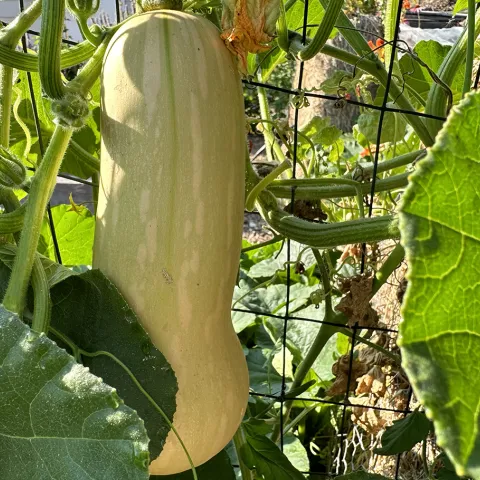
How to grow Winter Squash, Curcurbita pepo (acorn) and Cucurbita maxima (butternut).Winter squash originated in the Americas and thrives in Marin's Mediterranean climate. Varieties include acorn, butternut, Hubbard, pumpkin, and spaghetti squash. Bush and vining varieties available.
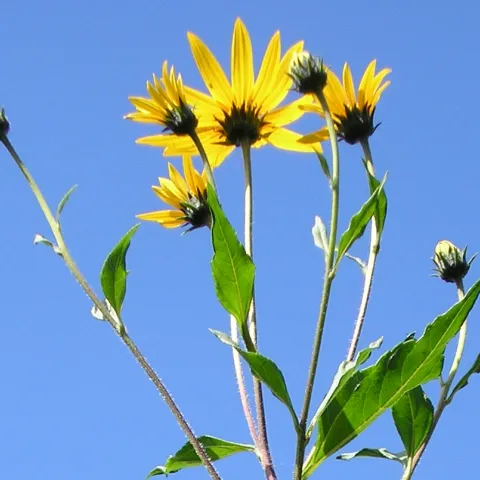
Scientific Name Helianthus tuberosusGeneral Information Sunchokes, also called Jerusalem artichokes, are productive, pest-free summer perennial tubers. Plants grow 10 to 12 feet tall. They are easy to grow. Taste is like a cross between an artichoke and a water chestnut. Sunchokes are native to…
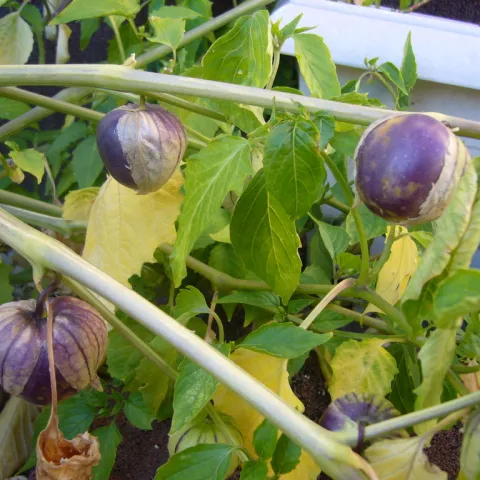
Instructions for growing tomatillos, small, tomato-like fruit develops in lantern-like paper husks. Tomatillos are used in cooking and in salsas. They belong to the nightshade (Solanaceae) family.
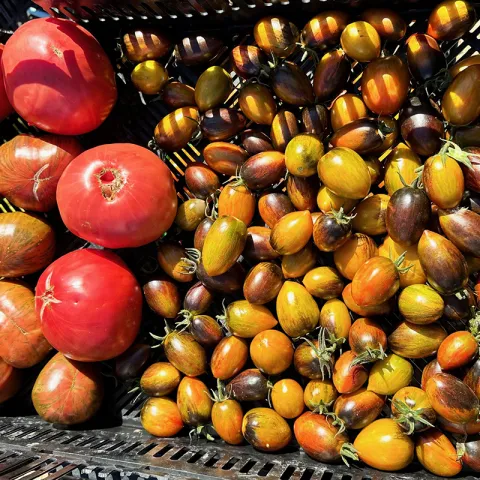
Scientific Name Solanum lycopersicum General Information These instructions are for indeterminate tomatoes, which grow and produce until killed by frost or disease. Determinate varieties have similar requirements but need less support and pruning and work in smaller containers. Determinate…
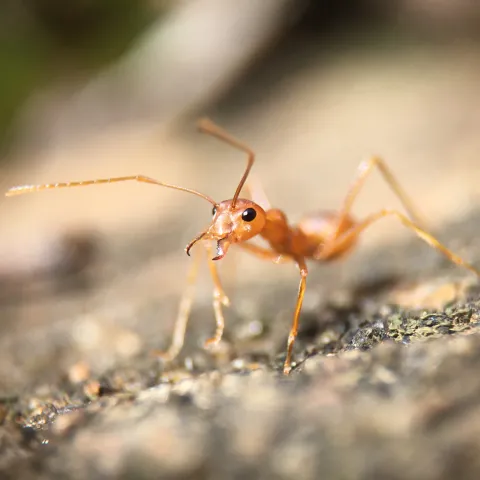
In the Bay Area, the most frequently found ants populating our gardens and invading our homes are Argentine ants. Argentine ants are small (1/8”), and their queens are slightly larger. Their bodies are constricted, giving them an appearance of a thin waist, which distinguishes them from termites. …
Small insects that suck fluids out of stems, leaves, and other tender plant parts. Soft pear-shaped bodies with long legs and antennae and may be green, yellow, brown, red, or black. A few species appear waxy or woolly due to the secretion of a waxy white or gray substance over their body surface…
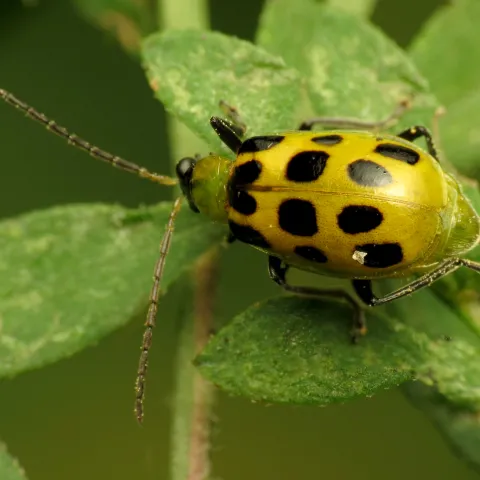
Common vegetable garden pest that also attacks ripening stone fruit. Adult beetles are shiny with black heads, long antennae, and about one-quarter inch long. Striped or spotted depending on species. Larvae are whitish and slender with three pairs of short legs; the head and tip of the abdomen are darker…