UC ANR is committed to providing an accessible and inclusive web experience for all users. If you encounter an accessibility barrier or need content in an alternative or remediated accessible format, please contact anraccessibility@ucanr.edu.
Scientific Name H. paniculata; H. arborescens These hydrangea varieties begin to bloom in the mid-summer on wood that forms during the current growing season. They can bloom well into the fall. Pruning is best performed during the winter, before new growth begins.Removing spent blooms at the base can…
Scientific Name Loropetalum chinense Loropetalum have two blooming cycles. They begin flowering in late winter (usually February) on old wood that formed during the previous growing season and cover themselves in masses of blossoms through March. They then bloom sporadically throughout the summer on…
Scientific Name Pittosporum tobira Although the focus of this guide is on pruning, some gardeners shear their pittosporum. If a gardener chooses this method, then, just as for pruning, shearing should occur after the spring bloom. Shearing in the winter removes the flower buds. Pittosporum are…
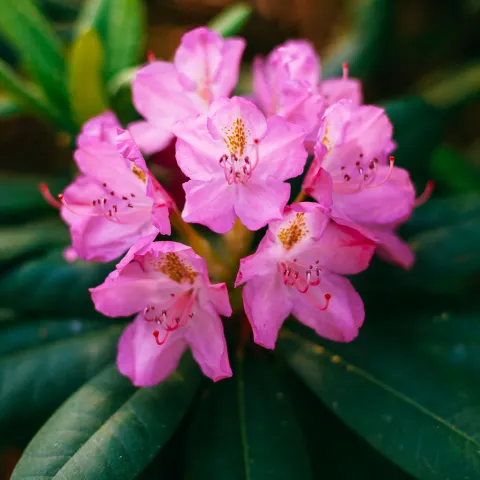
Scientific Name Rhododendron spp. Rhododendron usually flower in the winter and begin to push new growth as the blossoms begin to fade. This is a good time to prune to control the size and structure of the plant. Waiting until later will require removal of the new growth to control the size and shape…
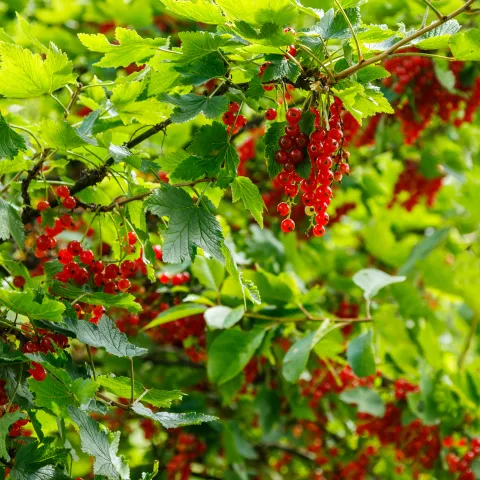
Scientific Name Ribes spp. Although most ribes are deciduous, viburnifolium are evergreen. The stems of ribes are not long lived. Therefore, taking out only new stems could shorten the life of the plant. Keep the new stems that are growing in a desired direction and remove the others at the base.Do…
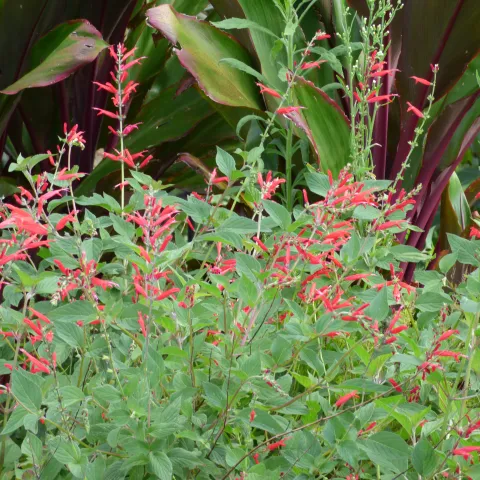
Scientific Name Salvia elegans, S. guaranitica, S. leucantha, S. waverly, S. ulignosa, S. Patens As a general rule, these salvia may be pruned severely in the late fall or in the spring. The decision depends upon whether a gardener’s climate includes many nights of freezing temperatures. If so, then…
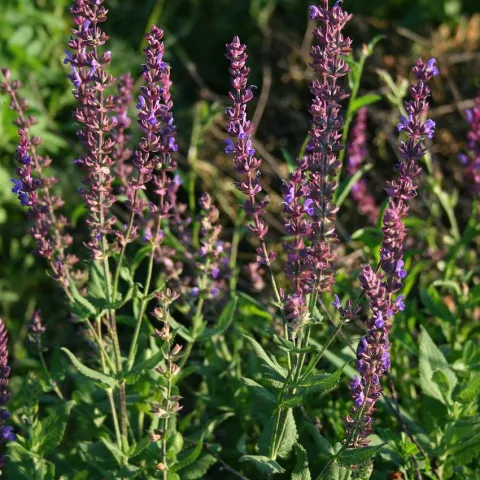
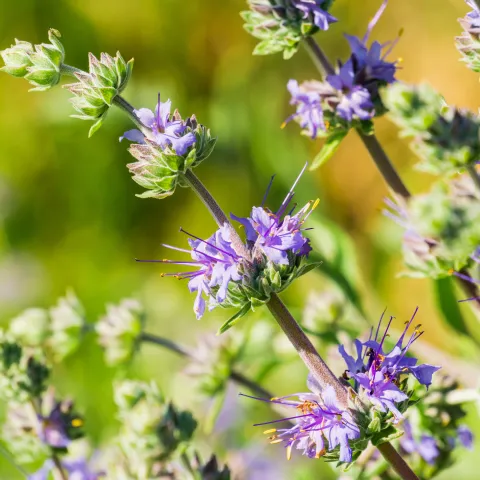
Scientific Name Salvia nemorosa, S. x superba, S. penstemonoides, S. Spathacea Image & Information These salvia have erect flower stems surrounded by low mounds of foliage at the base of the stems. As a general rule, these salvia may be pruned severely in the late fall or in the spring. The…
Scientific Name Salvia greggii, S. chamaedryoides, S. coccinea, S. microphylla, S. Clevelandii Image & Information As a general rule, these salvia may be pruned severely in the late fall or in the spring. The decision depends upon whether a gardener’s climate includes many nights of freezing…
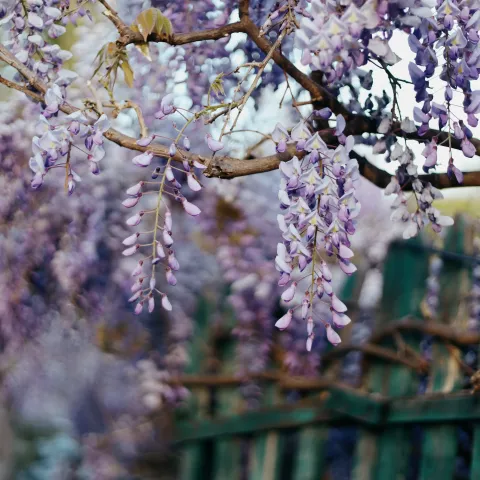
The primary goal of winter pruning is to focus the plant’s energy and nutrients into the formation of buds that produce the magnificent, pendulous flowers with their delightful fragrance. We do this by aggressively pruning the wisteria so that it has a well-spaced series of main vines with side shoots…
Visit our booth at Farmers' Markets:Auburn – Across from courthouse, May through October, 1st and 3rd Saturdays, 8:00 a.m. – 12:00 p.m. Roseville – Fountains, Whole Foods parking lot, May through October, every Tuesday, 8:00 a.m. – 1:00 p.m. Lincoln –…