UC ANR is committed to providing an accessible and inclusive web experience for all users. If you encounter an accessibility barrier or need content in an alternative or remediated accessible format, please contact anraccessibility@ucanr.edu.
Garden Help > Monthly TipsGood nutrient balance makes healthy garden soils. It is beneficial to get soil tested by a state-certified laboratory. Below is a collection of our monthly tips that relate to garden soils.To-DosWhat to PlantTo-Dos: SoilBone Meal for Bulbs? Green Waste or Compost Mulch Bare Soil…
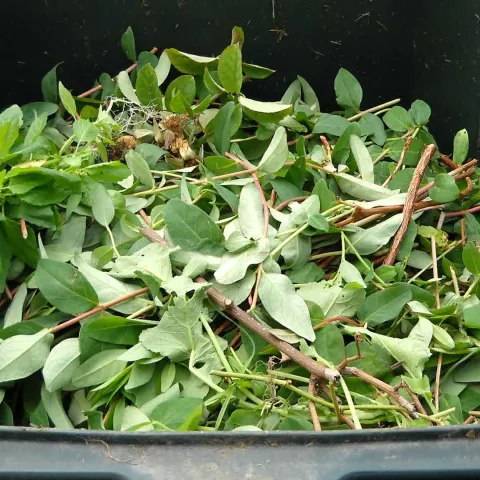
Composting is the process of turning kitchen and yard waste and other organic materials into a decomposed soil amendment. It is a natural process that provides beneficial microbes and is a key ingredient in organic gardening and farming.
Many potting soils become hydrophobictending to repel waterwhen they dry out, and are difficult to re-wet. Gardeners may see water draining out the bottom of a pot and assume that means that the soil is saturated.
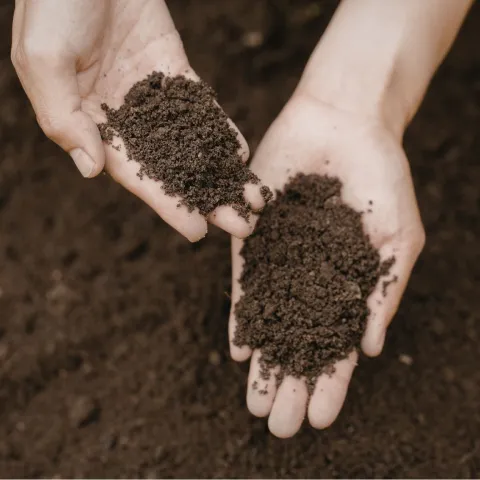
Credit: UC ANR A soil amendment is any material added to soil to improve its physical properties, such as water retention, permeability, drainage, aeration, and structure. They can also be used to modify soil pH. There are lots of different materials available you can use to improve your soil.
Above 2000 ft. : prune deciduous fruit trees, cane berries Below 2000 ft.: prune grapes, roses, crepe myrtle. Paint trunks of bare root and young fruit trees to prevent borers and protect from sunburn. Use interior white latex paint with equal amounts of water and apply generously.
Is your garden soil not quite what you want it to be? Need to make some improvements? Soil amendments may be a solution. Before making any additions or changes to your soil, its good to know what soil amendments are and how they may work in your soil.