Pollination And Bees

UC Master Gardener Program of Alameda County: Page

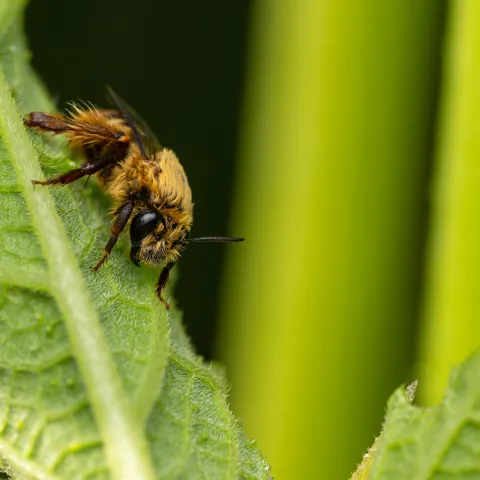
Who's Who in Your Garden: Wool Carder Bees

Discover the fascinating wool carder bees, their behavior, and role in gardens. Learn about the interactions between native, non-native bees, and honeybees.
View Page
UC Master Gardener Program of Alameda County: Page

Soldiers in Our Gardens

Learn how to identify, manage and attract beneficial insects, including soldier beetles. Protect the good insects that feed on the pests and pollinate plants.
View Page
Primary Image
Banner pollinator
UC Marin Master Gardeners: Page

Pollinator Plant Sale

Saturday, March 1, from 9:00 am to 12:00 pm Falkirk Cultural Center Demonstration Garden 1408 Mission Ave, San Rafael (Rear parking lot behind the greenhouse) Discover a world of vibrant colors, sweet scents, and buzzing excitement at our upcoming Pollinator Plant Sale.
View Page
Primary Image
hummingbird
UC Marin Master Gardeners: Page

Plants for Pollinators

It's easy to invite bees, butterflies, hummingbirds, and other welcomed winged visitors into the garden. Just provide the food, water, and shelter they need to feel at home. This is called habitat gardening, and it's a satisfying way to choose plants.
View Page
Primary Image
banner pollinators
UC Marin Master Gardeners: Page

Pollination & Pollinators

Year-round food and water are essential for habitat gardens. Photo: Bridget Ahearn "The birds and the bees" is a sweet expression, but the work of pollinators is a serious business. Without pollination, life on Earth would cease.
View Page
UC Marin Master Gardeners: Page

Meet the Pollinators

Bees are our most important pollinators. Most are solitary bees that live independently, not the bumble bees or honey bees we are more familiar with. Bees visit flowers for the pollen or nectar, which supply the nutrients they need.
View Page
Primary Image
hummingbird
UC Marin Master Gardeners: Page

Creating Habitats

Be part of a wildlife corridor between islands of natural habitat. Photo: Courtesy of UC Regents Habitat gardens provide connectivity Your garden can be a place for pollinators and insects to stop and refuel as they travel through urban, suburban, and wildland areas.
View Page