UC ANR is committed to providing an accessible and inclusive web experience for all users. If you encounter an accessibility barrier or need content in an alternative or remediated accessible format, please contact anraccessibility@ucanr.edu.
The UC Master Gardener Program believes that gardening is not just about growing plants, but about cultivating healthier lives, stronger communities, and a more sustainable world.
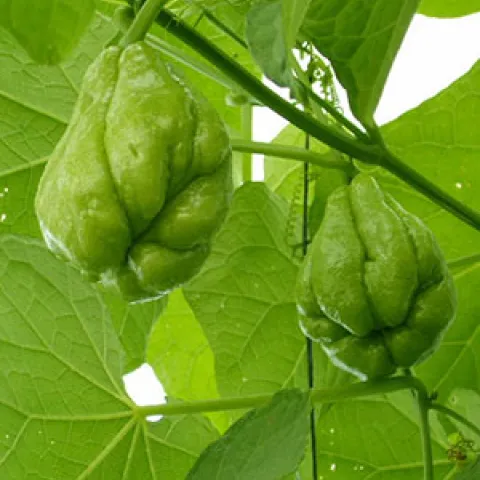
Chayote, a member of the cucurbit family (along with cucumber, melons, and squash), is a perennial vine which produces edible vegetables used in cooking and used raw in salads and salsas. Plant seed or sprouted fruit in May to September, possibly April or October.
Miscanthus sinensis, Wikimedia Commons Whether you want to create a naturalistic meadow, showcase a dramatic backlit border, or line a path, ornamental grasses are up for the job. Ornamental grasses and other grass-like plants like rushes and sedges are easily grown and work with many garden styles.
Program OverviewThe Plant Pathology Program provides applied research and outreach to support agricultural production across Imperial, Riverside, and San Diego counties. This tri-county region encompasses a wide diversity of crops and growing conditions—from the desert-irrigated systems of Imperial Valley to…
A male Annas hummingbird can't resist Saliva clevelandii Pozo Blue, an easy CA native. This plant looks best with fall pruning. Photo: Bob Mauceli Native plants are easy to grow so long as you don't overdo it with soil amendments or other unnecessary additions.
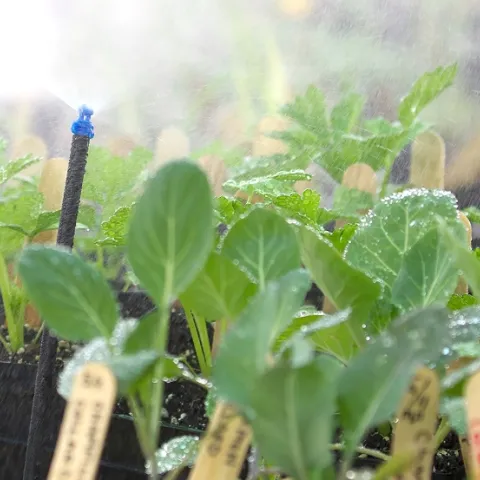
You can get a jump start on new plants by growing them from seeds indoors. This is a good way to grow edible plants, because there are many more varieties available from seed. Learn more about growing edibles from seed.
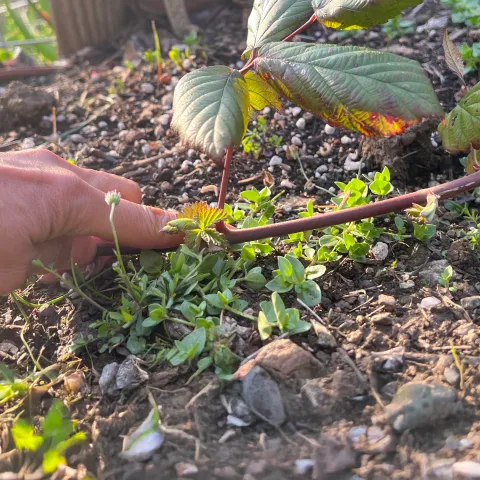
With layering, stems are induced to produce "adventitious" roots while they remain attached to the parent plant. Adventitious roots are those produced in an unusual time or position. Blackberries are great candidates for tip layering.
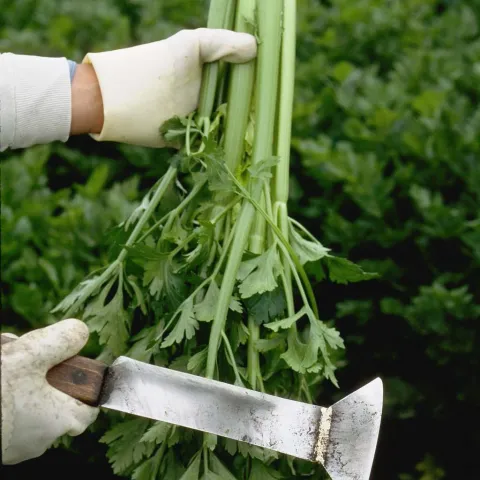
Celery is challenging to grow in most of Santa Clara County. It grows best at 60 to 65ºF, though it will tolerate temperatures from 45 to 75ºF. But it is difficult to find a four-month growing period in Santa Clara County that stays within that temperature range.