Plant Care

Primary Image
UCCE_Kiwifruit
UC Master Gardeners of Santa Clara County: Page

Kiwifruit

When to plant: January–March (bareroot) Harvest window: October–November, depending on variety Fertilization: Regular nitrogen feeding during first half of growing season Provide sturdy trellis or arbor for the wide-spreading (up to 30 feet) deciduous vine.
View Page
Primary Image
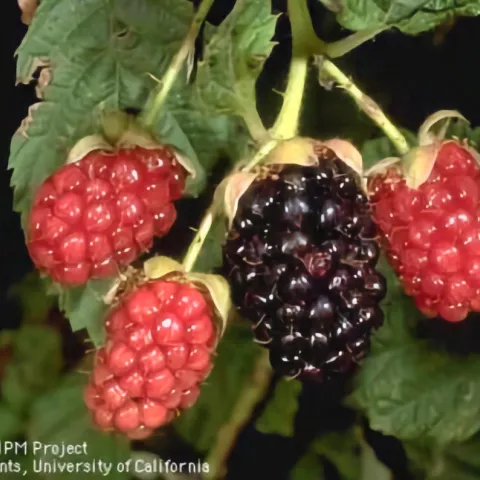
Ripe and unripe blackberry on plant
UC Master Gardeners of Santa Clara County: Page

Blackberries and Raspberries

Three main types of raspberries are grown in the United States: red, purple and black. They differ in ways other than fruit color. Red raspberries have erect canes and are propagated by suckers. These are usually grown in the Western States. Black raspberries have arched canes that root at the tips. Purple…
View Page
Primary Image
espaliered apples
UC Marin Master Gardeners: Page

Espalier

Much planning goes into espalier. Pixabay Creating an espalier is an especially fun and rewarding method of growing flowering and fruiting plants in a garden. The process has existed for many hundreds of years and, although challenging for complex forms, is achievable by even novice gardeners.
View Page
Primary Image
Pittosporum
UC Marin Master Gardeners: Page

Shrubs, Perennials, Etc

Whether you're planting a new garden or refreshing an existing landscape, there is a world of horticultural beauty at your fingertips. Shrubs, perennials, groundcovers, and grasses form the backbone of many gardens.
View Page
Primary Image
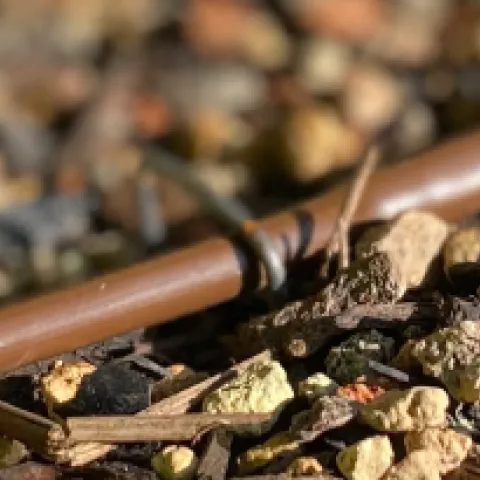
irrigation tubing
UC Marin Master Gardeners: Page

Water Saving Tips

Checking your irrigation system periodically to reduce leaks and help conserve water usage. Photo: L Stiles Almost a third of Marin Countys water is used for irrigation. The majority of Marin residents use around 8,000 gallons or less of water per month.
View Page
Primary Image
mildew powdery
UC Marin Master Gardeners: Page

June

Powdery mildew is common in warm, dry conditions. Photo: Courtesy UC Regents Maintenance and prevention Check soil moisture and adjust the watering schedule on your irrigation controller accordingly. Water early in the day. Watch container plants which may need daily watering.
View Page
Primary Image
tools
UC Marin Master Gardeners: Page

Essential Tools

Tools from top left: trowel, bypass hand pruner, gloves, pruning saw, hori hori knife Photo: Fay Mark > Hand Pruners > Fruit Saw > Pruning Saw > Gardening Knife > Trowel > Shovel > Spade > Hand Rake > Rake > Gloves > Irrigation > Wheelbarrow, Cart, Bag/Tub HAND PRUNERS Bypass pruner Look for: Harde...
View Page
UC Marin Master Gardeners: Page

Cool Summers

Yarrow (Achillea) performs in cool coastal settings, and the flowers provide perfect landing pads for butterflies.
View Page
Primary Image
Celery harvest and trimming UC ANR
UC Master Gardeners of Santa Clara County: Page

Celery

Celery is challenging to grow in most of Santa Clara County. It grows best at 60–65ºF though it will tolerate temperatures from 45–75ºF. But it is difficult to find a four-month growing period in Santa Clara County that stays within that temperature range.
View Page
Primary Image
UCANR_Cherries
UC Master Gardeners of Santa Clara County: Page

Cherry

When to plant: January–early February Harvest window: May–June, depending on variety Fertilization: Nitrogen in spring and post-harvest, additional applications based on tree age, health, and soil quality Prune dead/disease branches, and roughly 10% of new growth in late summer
View Page