Gardens By Type

UC Master Gardeners of El Dorado County: Event

Central Sierra: Grow Your Imagination (EDC MG)

Event Date
May 3, 2025

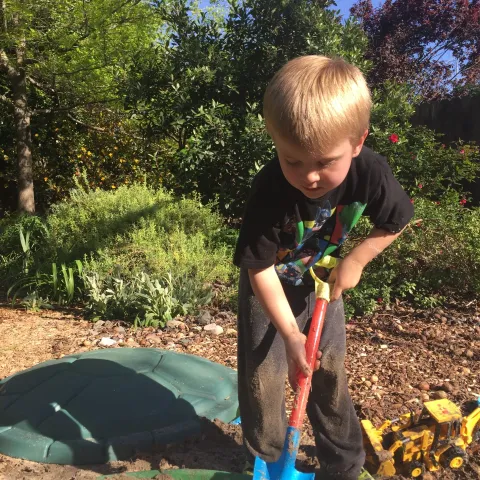
Learn the basics of dish gardening while creating your own little space. Build a home for a fairy, a dinosaur, or make roads to explore in your own little trucks.
UC Master Gardeners of El Dorado County
View Event
UC Master Food Preservers of Central Sierra: Event

Central Sierra: Citrus: From Tree to Table - Combo Class

Event Date
Oct 11, 2025

Join Master Gardeners and the Master Food Preserver volunteers in a wonderful presentation on how to grow and preserve citrus. Come see how you can grow citrus successfully in our community.
UC Master Food Preservers of Central Sierra
View Event
UC Master Gardeners of El Dorado County: Event

Central Sierra: Container Magic (EDC MG)

Event Date
Mar 29, 2025

Dive into the world of container gardening with Master Gardeners. Learn everything you need to know to create a thriving container garden in any space – from choosing the right container, to plant selection and planting techniques, and the how to-s of container plant care.
UC Master Gardeners of El Dorado County
View Event

Central Sierra: The Enduring Appeal of Lavender

Body

Tips and tricks for dealing with the wide variety of lavender 

There is a plant that could be in your garden right now that has endured the test of time -- the lovely Lavender, Lavandula spp. It dates back 2500 years to the time of the ancient Egyptians and has been celebrated for its healing and relaxing properties, its contributions to the cosmetic and perfume industries, and its many culinary uses. It is a standout in the garden that does well in our area, with beautiful grey-green foliage displayed on a compact plant covered with stunning spikes of aromatic flowers. Lavender has a long bloom time from spring through fall and is a favorite of pollinators. It is pest free, drought tolerant, deer resistant, and very easy to grow. What’s not to love?

Growing conditions for lavender 

While lavenders need relatively little care after planting, the right growing conditions are very important. Select a planting spot with six or more hours of sun per day; too little sun limits flower production and causes leggy growth. Soil should be gritty and drain well to avoid fungal root and crown rot problems. Amend soil used for backfilling with sand or organic matter to improve drainage. Planting high, one inch above the soil line, will help water drain away from the plant’s center. In areas with heavy soil, consider creating planting mounds above the soil line.

Lavender also grows well in raised planters and containers. Proper spacing based on plant size allows good air circulation and helps prevent fungal problems. Always consult plant tags for best recommendations. Apply two-three inches of mulch such as pea gravel or decomposed granite, leaving several inches of bare ground around the plant’s stems.

Take care not to overwater. Use drip irrigation to keep foliage dry and allow the soil to dry before watering. Lavender is very drought tolerant once established, but new plants need regular watering during the first year. Apply a balanced fertilizer to new plantings at half strength; established plants do not need fertilizing. 

Pruning lavender is required to help maintain a compact plant shape and discourage woody growth. Remove faded flowers as the bloom cycle ends to encourage reblooming and pinch foliage to encourage branching. In the fall, cut the green plant material back one-third to two-thirds, depending on variety, leaving a tidy mound of foliage to overwinter. Do not prune into the wood below the green plant material. This dry wood will not generate new growth.

Lavenders vary greatly in plant size, flower color and shape, foliage color and leaf shape/texture. English lavenders, Lavandula angustifolia, are generally under two feet tall and known for their beautiful flowers, sweet fragrance, and narrow leaf shape. The newer lavender hybrids, Lavandula x. intermedia, are crosses between English lavender and broader leafed varieties, with large highly fragrant flowers on plants that are up to three feet tall. Spanish lavender, Lavandula stoechas, blooms early on plants 18-24’ tall and is known for its showy flower bracts. 

The biggest problem may be which beauties to plant in your garden. Lavender has enduring appeal and is worthy of your time, effort, and affection.

This article by UC Master Gardener of El Dorado County Donna Marshall originally appeared in the Mountain Democrat in May 2026. 


Trying to decide which lavender to plant in your garden? Direct any El Dorado County garden question to the UC Master Gardeners of El Dorado County!

Ask a Master Gardener

UC Master Gardeners of El Dorado County
Primary Image
Columbine flower
UC Master Gardeners of Tuolumne County: Article

Following the Bloom in Tuolumne County

June 6, 2026
Following the Bloomby Jim Bliss According to the weatherman, spring comes in the middle of March. But for those of us living in the Sierra Nevada mountains, spring depends more on altitude than on the time of year. For garden lovers this provides a great opportunity. Starting in February in the Central…
View Article
Primary Image
a pH meter with a white background.
UC Master Gardeners of Tuolumne County: Article

Why Check Soil pH First

May 30, 2026
Will your garden soil produce well? One of the best items to check is your soil pH or acidity. pH stands for the “potential of hydrogen” and is a scale that indicates whether your soil is acid or alkaline (basic). The pH scale runs from 0 to 14 with 7.0 being neutral. If your pH is below…
View Article
UC Master Gardeners of the Lake Tahoe Basin: Article

Central Sierra: It's June Bug Season

May 27, 2026
June bugs are among the most familiar insects of early summer. Although people commonly call them “bugs,” they are actually scarab beetles in the genus Phyllophaga. These beetles are usually brown, oval-shaped, and active at night, often flying clumsily around porch lights. Their larvae, known as white grubs…
View Article

Central Sierra: Benefits of Gardening with California Native Plants | El Dorado County

Body

Native plants are adapted to the dry climate, support ecosystem's biodiversity. 

Spring is a good time to evaluate your landscape and make potential changes to decrease your water use in 2026. A good starting point is to incorporate a California native plant or two into the garden. Many native plants can survive with minimal supplemental water once they have become established. 

California includes many different native plant communities. 

Native plants come from across the state and are adapted to varying habitat conditions that include coastal, inland, foothill, and desert. The natives for ornamental plantings in El Dorado County are best if of local origin that have adapted to our soil and microclimate conditions.  

Native plants from appropriate plant communities can mix with other plants from similar climates with like water requirements. Natives should not be planted near a lawn, or with plants that have high water needs. Very good drainage and careful watering the first year, along with planting a bit above grade so water percolates away from the crown of the plant help ensure success. Native plants should go in native soil, be watered deeply and infrequently once they are established. 

Using natives that are adapted to our area will also attract local wildlife. 

The local native plants are food sources for wildlife as well as shelter from weather and predators and offer nesting sites. At the UC Master Gardeners of El Dorado County's Sherwood Demonstration Garden, home to sixteen different types of gardens, the winter native garden is home to a variety of resident and migrating bird species. Winter blooming plants provide nectar and pollen for residents like hummingbirds and native bees. Two native shrubs that offer berries for birds are Toyon, Heteromeles arbutifolia, and Oregon Grape, Berberis aquifolium. Western Redbud, Cercis occidentalis, offers seeds and spectacular spring flowers. Native oaks provide acorns and host a wide variety of insects eaten by birds. Hummingbirds are drawn to the red flowers of California Fuchsia, Epilobium canum, and the lovely blooms of the Red Flowering Currant, Ribes sanguineum

Another excellent Natives Garden can be found within the U.C. Davis Arboretum. The Mary Wattis Brown Garden of California Natives features an extensive collection of native plants, a natives meadow and native grass landscapes. 

Look for inspiration in native gardens around you, and then make some additions to your own landscape. 

This article, by UC Master Gardener of El Dorado County Debbie Hagar, originally appeared in the Mountain Democrat in April, 2026


Visit the Natives Garden at the Sherwood Demonstration Garden, 6699 Campus Dr. Placerville, CA. Open hours are season-dependent, and can be found on this page of our website

If you would like to speak with a UC Master Gardener of El Dorado County, please reach out! 

Ask a Master Gardener

UC Master Gardeners of El Dorado County
Primary Image
Pruning out old roses with bypass pruners.

Jump into Summer with these IPM Webinars!

May 21, 2026
By Yulie Velez
Looking to keep your brain stimulated this summer? Need information about garden pests? Join us every third Thursday of the month from 12:00 to 1:00pm PST to learn about a wide range of urban pest management topics. This series is free and open to the public, but advance registration is …
View Article
Primary Image
Oak titmouse sitting on a bird feeder outside a home.
UC Master Gardeners of Tuolumne County: Article

Smart Bird Feeders in Tuolumne County

May 18, 2026
A digital (or “smart”) birdfeeder? You’ve got to be kidding. Why would I need such a thing? If you are fascinated by the bird visitors to your garden, this might be the gadget for you. Digital birdfeeders give you the ability to “watch” feathered friends in action. These devices take photos and videos…
View Article