UC ANR is committed to providing an accessible and inclusive web experience for all users. If you encounter an accessibility barrier or need content in an alternative or remediated accessible format, please contact anraccessibility@ucanr.edu.
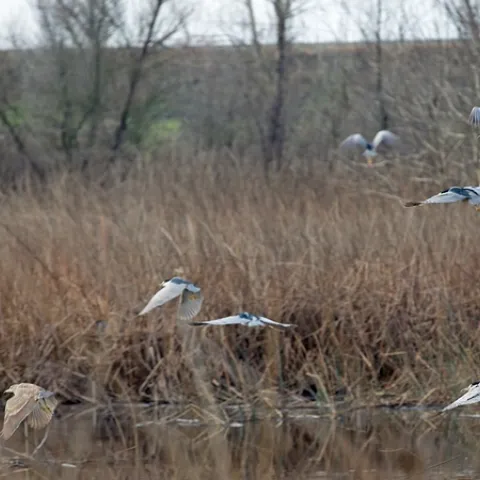
To reduce potential exposure to avian influenza, a new interactive website is now available to help California poultry producers, backyard poultry enthusiasts, regulators and risk managers assess the locations of waterfowl relative to poultry farms in the Central Valley.
USDA Secretary Sonny Perdue followed his townhall at the World Ag Expo last week with visits with farmers and tours of farmland in the San Joaquin Valley.
I am pleased to announce that Mark Lagrimini, professor of agronomy and horticulture at the University of Nebraska-Lincoln, has accepted UC ANR's position of Vice Provost of Research and Extension.
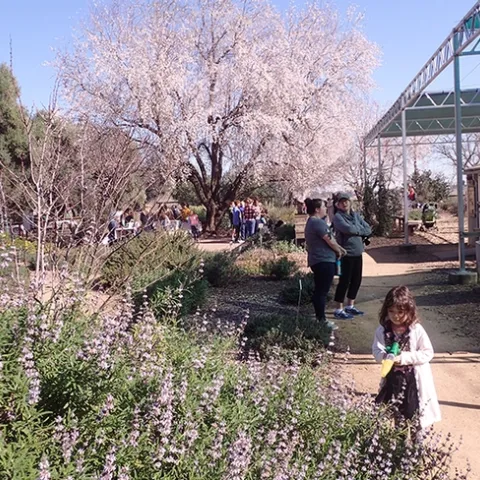
It was heaven in the bee haven. As temperatures climbed into the seventies last Saturday, honey bees foraged in the California native plant, Brandegee's sage (Salvia brandegeei). and pollinated the almond blossoms. It seemed like spring.
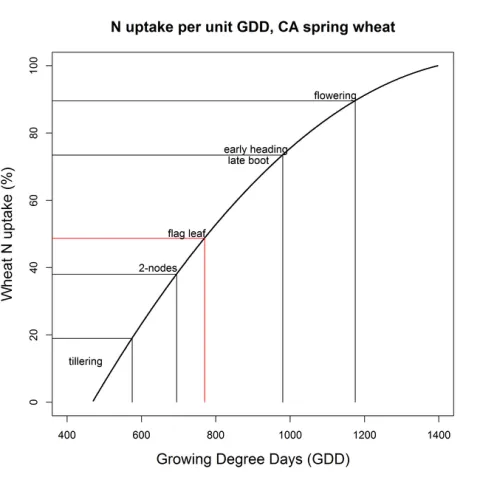
After almost 6 weeks without a substantial rainstorm, there is finally some precipitation starting to appear in the 10-day forecast for the Sacramento Valley. The lack of rain thus far has made it difficult to proceed with N fertilizer topdress applications in non-irrigated wheat fields this season.
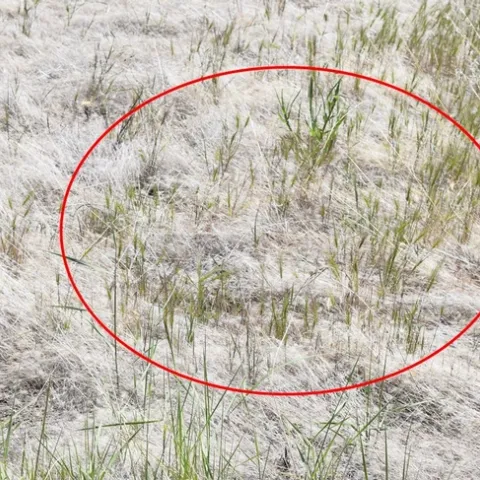
Last year about this time, I posted a blog regarding an ongoing trial investigating various herbicides for Pre-emergent Control of Medusahead. I wanted to follow up on that trial which I deemed unsuccessful and share some of the data collected in 2017.
USDA Secretary Sonny Perdue held a town hall at World Ag Expo in Tulare on Feb. 13 to listen to suggestions for the upcoming Farm Bill. VP Glenda Humiston was among those present for the discussion.
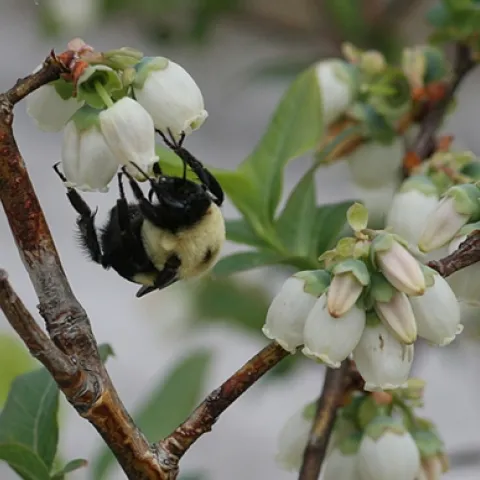
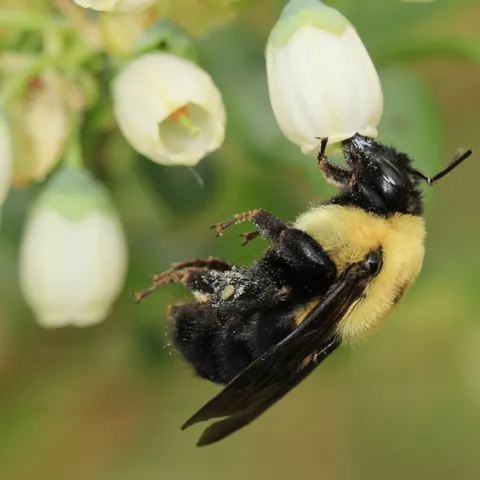
They set out to answer the question: "How many wild bee species do we need to pollinate our crops?" The answer: "Not nearly enough bees are available for crop pollination.
In a study that highlights the role of bee diversity in crop pollination, researchers found that growers may benefit from 10 times the number of bee species than previously thought to pollinate their crops, according to a paper published Feb.
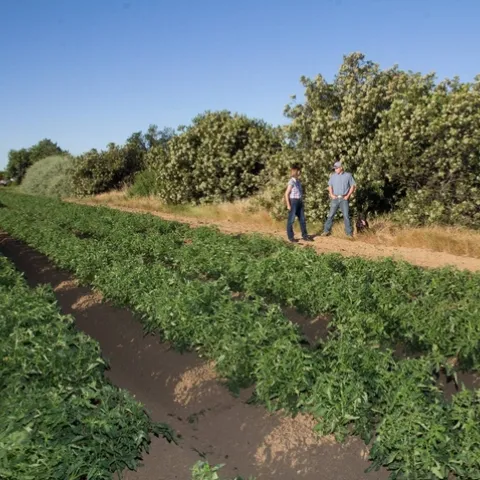
Hedgerows enhance wildlife abundance and diversity around farmland without contributing to food safety problems in field crops, according to a new study published by a team of University of California researchers.