Six communicators affiliated with the University of California, Davis, or the University of California Division of Agriculture and Natural Resources (UC ANR) received a total of 10 awards for excellence at the 2018 conference of the international Association for Communication Excellence in Agricultu...
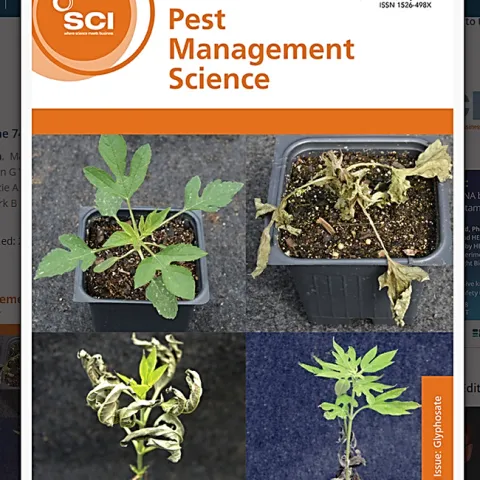
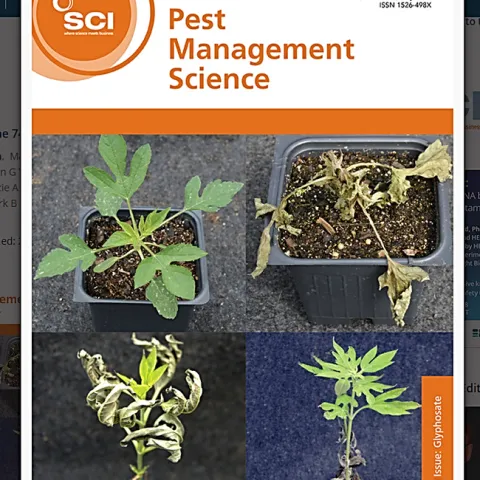
Glyphosate was commercialized in 1974. Since then, it has become one of the most widely used (and studied) herbicides. According to Duke (2018b), almost 20,000 scientific publications and patents have included glyphosate as a focus; only 2,4-D surpasses it with respect to citations.
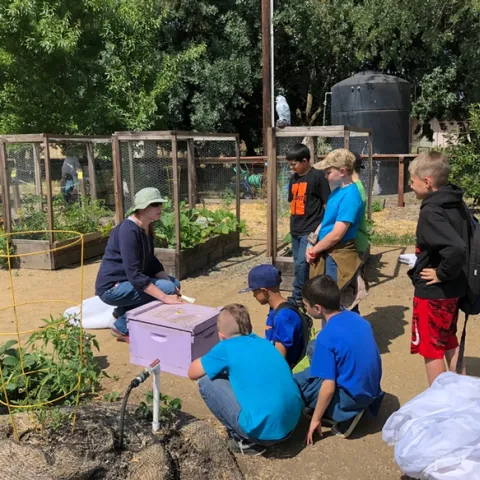
Postdoctoral scholar Laura Brutscher of the Elina Lastro Nio lab, University of California, Davis, kneels by an educational beekeeping display: a beehive, a smoker, a hive tool and beekeeper protective gear.
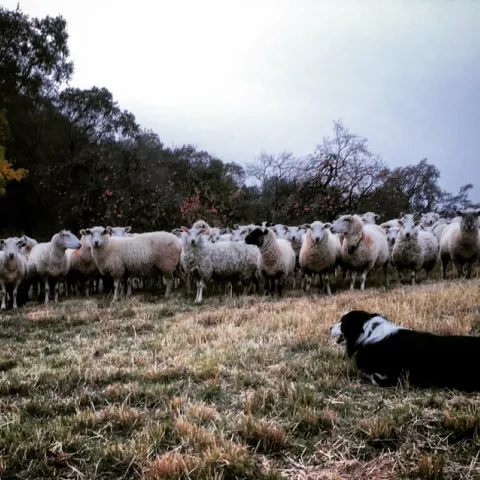
Earlier this week, we started to see some signs that some of our feeder and replacement ewe lambs where infected by barber pole worms, a parasitic stomach worm fairly common in sheep that are grazing on irrigated pasture during the summer months.
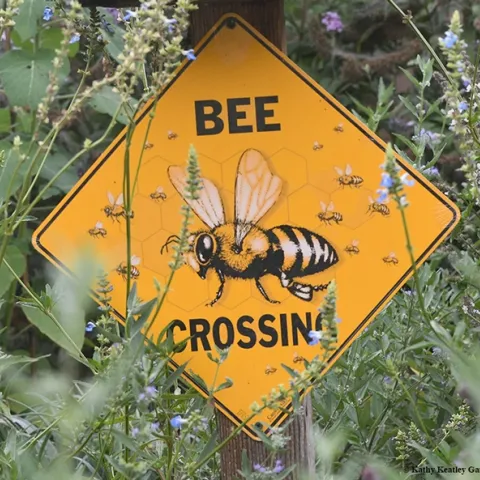
Bee-hold, the eye of a bee-holder. When you have a "Bee Crossing" sign in your pollinator garden, odds are that bees will cross right in front of that sign. And it's not always a honey bee.
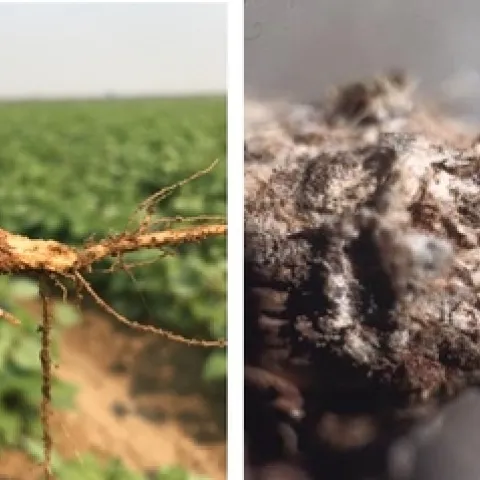
A baby lima bean field in the Sacramento Valley was recently found to be infected with southern blight (Sclerotium rolfsii), a fungal pathogen that's found in many crops. The field was double-cropped with barley and planted late June.
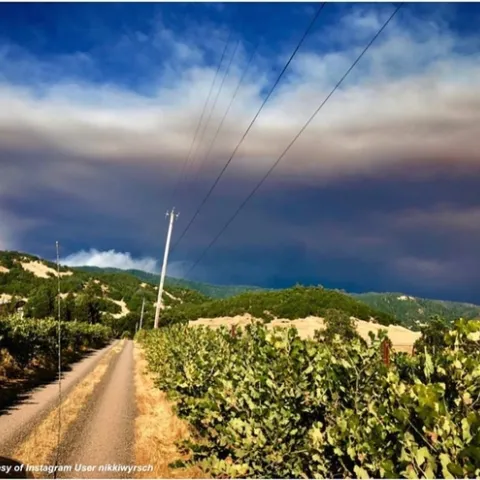
When wildfires send smoke into farmland, orchards and vineyards, growers are concerned about the impact of the tainted air on their crops, reported Giuseppe Ricapitio in the Union Democrat.
Glyphosate was commercialized in 1974. Since then, it has become one of the most widely used and studied herbicides. According to Duke (2018b), almost 20,000 scientific publications and patents have included glyphosate as a focus; only 2,4-D surpasses it with respect to citations.
SCHOLARSHIPS AVAILABLE for the 2018 California AG in the Classroom Conference September 28-29 Palm Springs, CA Have you been interested in finding new and exciting ways to bring food, fiber, flowers, and fuel into your learning environment?