The Citrus Research Board and UC Agriculture and Natural Resources have established a $1 million endowment to fund the Presidential Researcher for Sustainable Citrus Clonal Protection at the UC Lindcove Research and Extension Center.
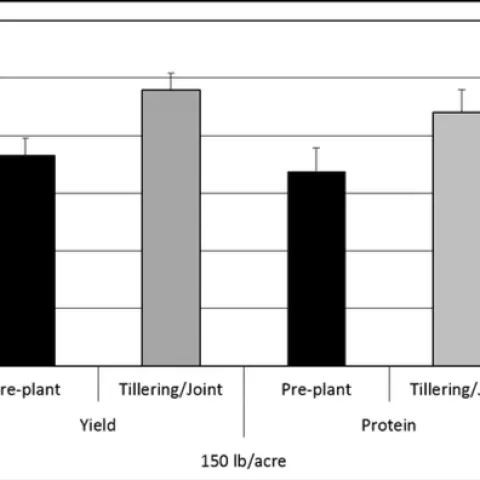
Nitrogen budgets are becoming more of a norm for California growers, and more than ever it's important for growers to get the greatest return for their nitrogen applications.
Berkeley With a body the size of a fist and wings that span more than a foot, the big brown bat must gorge on 6,000 to 8,000 bugs a night to maintain its stature. This mighty appetite can be a boon to farmers battling crop-eating pests. But few types of bats live on American farms.
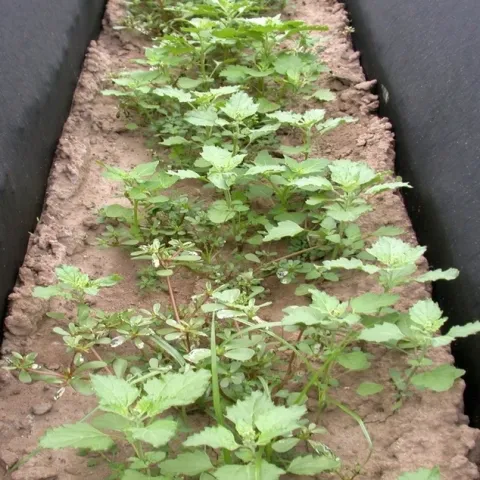
From the Topics in Subtropics blog (Oct. 15, 2018) ****************** Although the main objective of herbicide use in avocado orchards (and all crops) is to manage weed populations, sometimes unintentional injury of the crop itself can occur when herbicides are incorrectly applied.
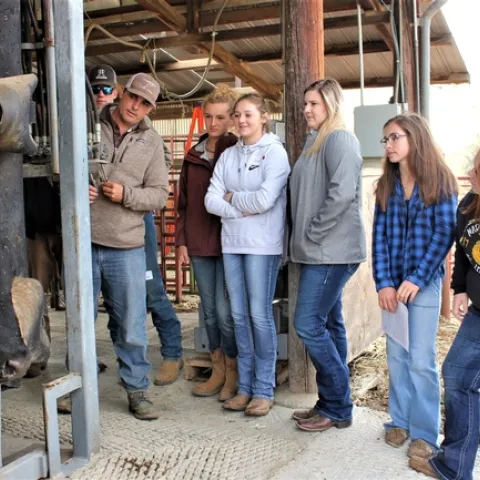
Preparing a farm for wildfire is more complicated when it involves protecting live animals. To assess the impact of wildfire on livestock production, University of California researchers are asking livestock producers to participate in a Fire Impact and Risk Evaluation (FIRE) survey.
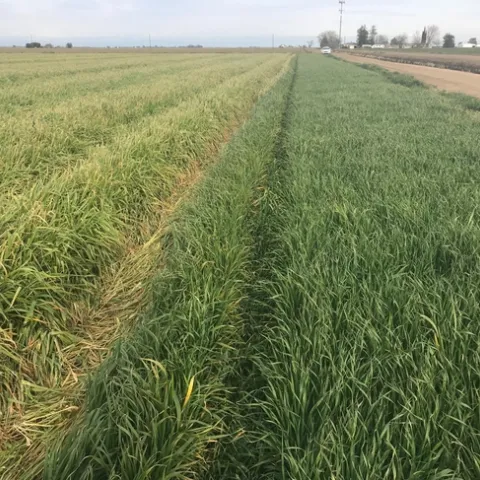
Several new University of California forage oat varieties have been developed by Dr. Cal Qualset, Small Grains program, UC Davis recently. These are generally grown together in hay mixtures (e.g. a mix of oats, barley, and wheat), or as a sole-crop.
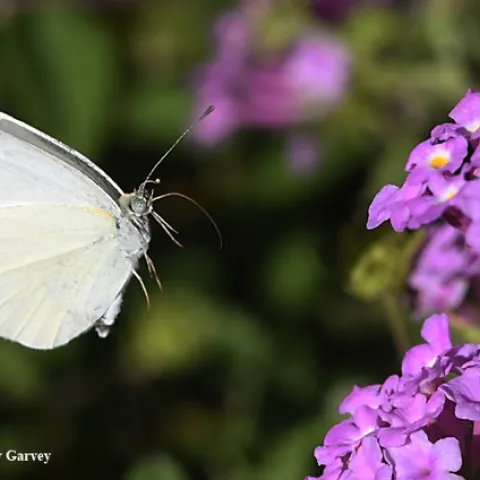
They're everywhere. But they're not welcome. Agriculturists who commercially grow cabbage and other cucurbits aren't fond of the cabbage white butterlfy, Pieris rapae, because its larvae are pests that ravish their crops. No welcome mat for them.
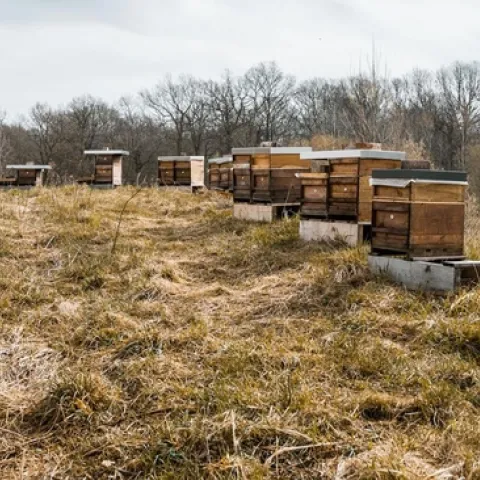
The humming sound of busy honeybees filled the fall air, darting back and forth as I followed long-time beekeeper Randy Oliver around his bee yard. I was there to learn about a new issue for local beekeepers.