UC ANR is committed to providing an accessible and inclusive web experience for all users. If you encounter an accessibility barrier or need content in an alternative or remediated accessible format, please contact anraccessibility@ucanr.edu.
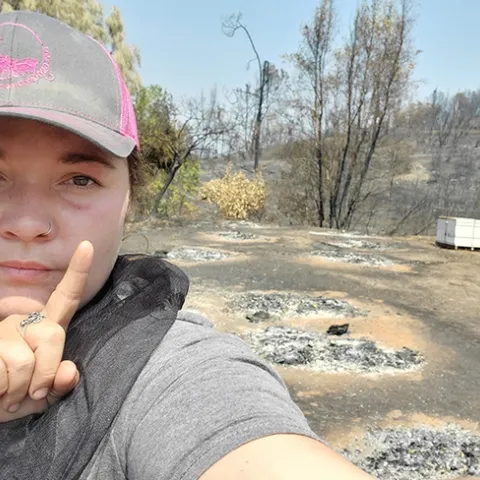
What do honey bee colonies do when a raging wildfire heads straight toward their hives (bee boxes)? No, the bees do not abscond with their queen and relocate, says Norman Gary, emeritus professor of entomology at the University of California, Davis.
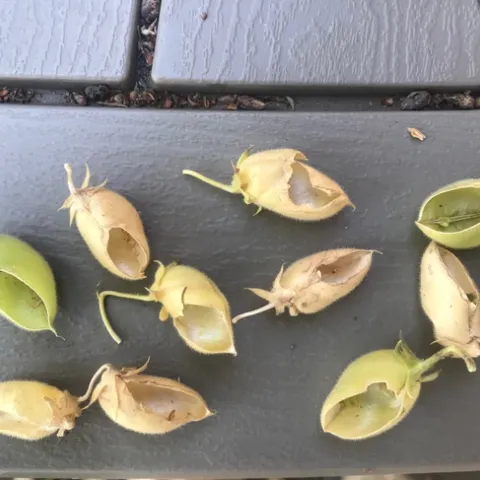
Have you ever wondered about this damage to garbanzo beans where there's a hole clipped in the pod and the seed is missing (see photo)? In this case, the damage is from pesky ground squirrels that were foraging in and around our garbanzo research plots at UC Davis this spring.
Over the last several months, I've had several conversations with ranchers about capital expenditures purchases of durable, relatively expensive assets.
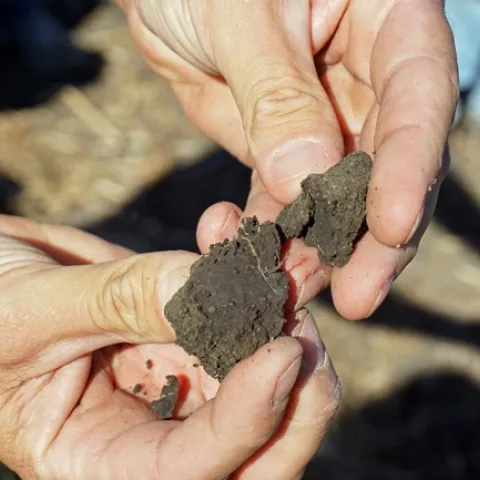
Six UC Cooperative Extension research projects were awarded funding ranging from $100,000 to $250,000 each from the California Department of Food and Agriculture Healthy Soils Program.
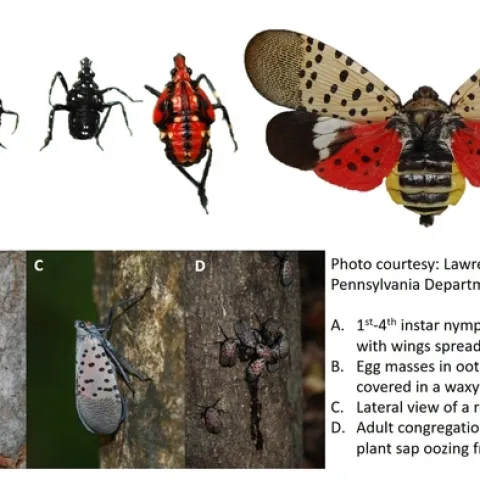
Dr. Mark Hoddle will discuss the problems caused by invasive species in California. Invasion statistics of importance to California will be discussed along with relevant aspects of invasion biology that drive invasion pathways, establishment likelihood, and subsequent spread after establishment.
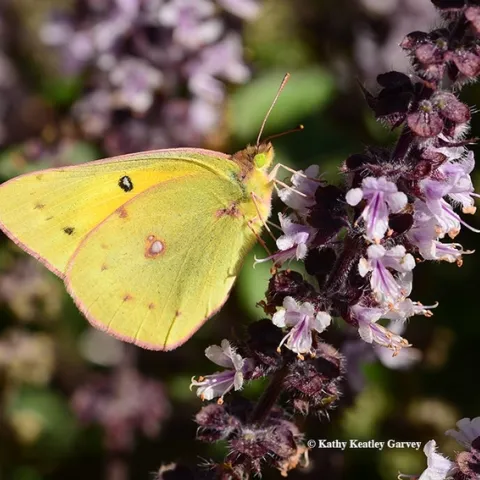
If you think there's a butterfly invasion in the three-county area of Yolo, Solano and Sacramento, wait until you hear what Art Shapiro, distinguished professor evolution and ecology at the University of California, Davis, says about that.
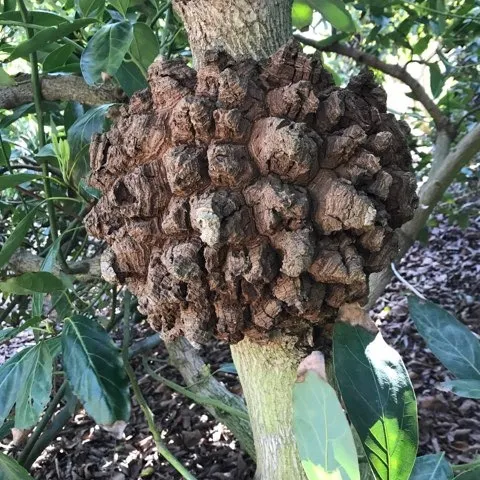
There are always new things to see in the field. Some things show up on occasion, but reliably, like citrus leafminer starts damaging new leaves in the fall. You start to see the leaf spots from Persea mite in the fall, even though they started their nesting/feeding activities in the late spring.
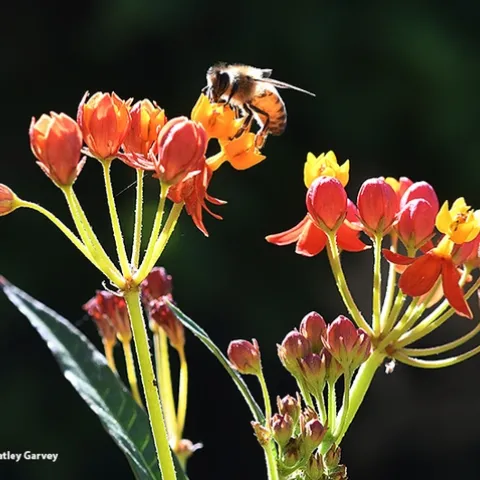
Honey bees just can't get enough of our tropical milkweed, Asclepias curassavica. We plant three species of milkweed (the host plant for the monarchs), but both the monarchs and the honey bees gravitate toward A. curassavica, a non-native.