mg-logo
UC Marin Master Gardeners

Winter 2024-25

Abutilon

Primary Image
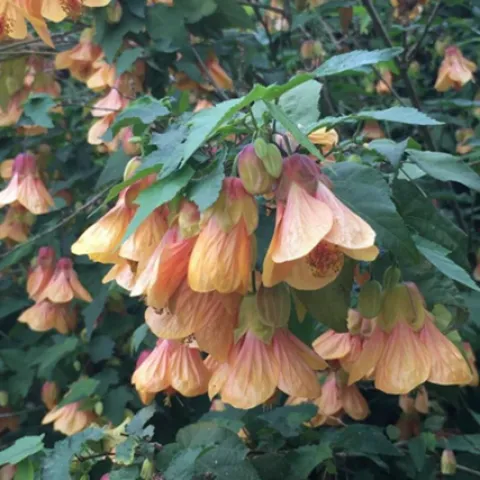
Abutilon ‘Halo’ blooms year-round in Marin. Photo: Marie Narlock
Body

Chinese lantern, Chinese bellflower, flowering maple

Abutilon


Abutilon is a beautiful shrub with maple-like leaves and flowers that resemble papery lanterns. Common names include Chinese bellflower, flowering maple, and Chinese lanterns. The flowers are very attractive to hummingbirds and butterflies. Abutilon comes in many shades, including white, red, orange, yellow, and pink – and some combinations. This plant is native to warm regions of the world, including many areas of South America, Cuba, and Florida. It requires little to moderate water and performs in full sun, especially in cooler areas, but prefers some shade in hot climates. Abutilon is not picky about soil, but needs good drainage. It is not bothered by any significant insect or disease issues.

Abutilon ‘Halo’


Depending on the variety, this attractive plant is upright and branching. It can grow 8 to 10 feet tall and will become a bit rangy if you don’t prune it back once a year. For best results, cut back branches selectively for shape and make cuts just above a node or on a strong shoot near the base. Flowers are borne on branch tips. Some Abutilon, like this ‘Halo’ variety, flower year-round. Abutilon can be grown in containers; just be sure to keep the soil evenly moist. It can be grown from seed, but the varieties seen in nurseries are typically propagated by cuttings.

Not sure which Abutilon to try? Check out these common varieties.


UC Marin Master Gardeners

Winter – A great time to shop bare root

Primary Image
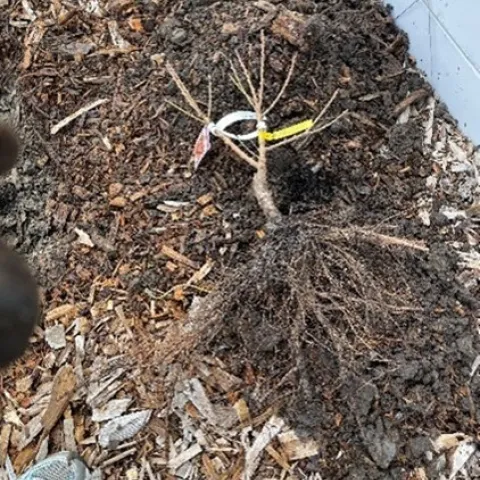
A bare root fruit tree is ready to be planted. Photo: UC Regents
Body
bare root fruit tree

Considering adding fruit trees or roses to your landscape in 2025? Winter is an ideal to shop! While you won’t find apples hanging from the boughs or roses in full bloom, you will find a large assortment of plant varieties to choose from, usually at lower prices than those in pots.

What is a bare root plant?

Bare root plants are dormant plants with all foliage and soil removed. The plants are harvested in the fall and are full of starch reserves that provide energy as they emerge from dormancy. They are light and transportable, making them easier to handle and plant, and are generally less expensive.

When are they available?

Bare root plants are readily available from late December to early March, both at your local nursery and in mail-order catalogs. Shop early for best selection.

Why should I shop bare root?

Two of the best reasons to shop for bare root include the wide variety of plants available and the usually lower cost per plant. Shipping weight of a soilless plant is considerably lower, and nurseries have far more space to accommodate a variety of neatly packaged roots than rows of 5-gallon containers filled with soil.

Tips for buying bare root plants

Most local nurseries will display the canes or trunks with colorful photos of a mature plant in its full glory. They will also keep the root section in damp peat moss or other mulch. When selecting a plant, feel it for weight. A well-hydrated plant will feel heavy for its size. Beware lightweight, heavily packaged plants with no visible signs of moisture. Dried out roots may compromise your plant’s ability to mature.  Also, avoid any roses with canes coated in paraffin. Some suppliers feel that this thin layer of wax protects the canes, but it can also slow the development of the bud eyes.

Be prepared to care for your bare root plant once you have it at home. Do not let the roots dry out or freeze. Keep the roots moist (but not wet) by wrapping them in damp paper towels, moist sawdust, or other similar material. Store them in a cool, dark place like a garage or basement until you are ready to plant them.

  • Sally Holmes roses
    A hedge of Sally Holmes roses can be grown from bare root plants this winter.

    Roses: With so many varieties of roses, do a little homework before you shop. Where do you want to plant the rose? Are you looking for a climber, an upright bush, or a container-size miniature? How much room do you have for the rose to grow? Study the websites of the American Rose Society or Marin Rose Society’s Good roses for Marin. Be informed before you shop.

  • Fruit trees: Plan ahead. Determine where you want to plant your tree(s) and make sure you have ample space. Review irrigation and climate needs for the type of tree you are considering. Learn more about selecting and growing fruit trees.

How to plant a bare root plant

Bare root fruit trees
Bare root fruit trees and roses are available in nurseries from December to early March. Photo: Jane Scurich

Keep the plants hydrated and soak the roots for one to two hours before planting. Inspect roots and remove any dead, diseased, broken, or twisted roots. Dig a hole, place 3 to 4 inches of loose soil under the roots, and spread the roots out before backfilling with soil and watering thoroughly. Learn more about planting bare root.


UC Marin Master Gardeners

Aeonium

Primary Image
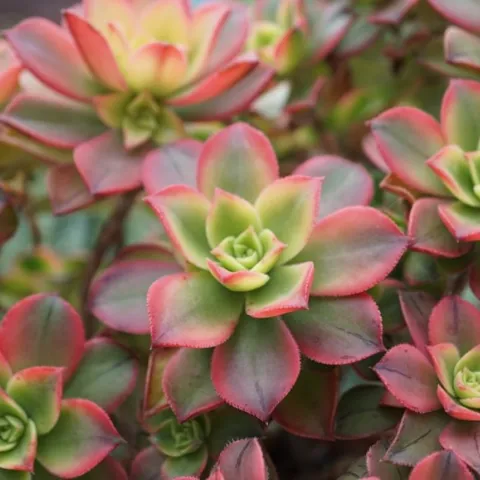
Photo: Elias Rovielo, Flickr
Body

Aeonium
Aeonium are small to mid-sized succulents native to northern Africa and nearby islands. Their waxy leaves form eye-catching rosettes -- a quick and easy way to add some serious zing to garden pots or mixed beds. These attractive plants are available in many colors: green, variegated green and yellow, purple, bronze, reddish, and dark purple-black. There are 35 species of Aeonium and each has its own growth habit. For instance, Aeonium arboretum grows around 3 feet tall, but Aeonium tabuliforme and Aeonium canariense stay compact and closer to the ground. The flowers are small and star-shaped and come in a variety of colors including white, yellow, pink, or red.

Regardless of the species, the rosettes die after the plant blooms. This is easily managed, however, as you can simply “behead” the rosettes and plant them. For best results, cut off the rosette and leave about six inches of stem. Allow the cutting to dry for a couple days. (This is a good habit when propagating any kind of succulent, as it reduces the chance of stem rot.) Plant the stem a couple inches deep into quick-draining soil such as a commercial cactus mix or potting soil mixed with perlite, vermiculite, or gravel.

Aeonium are easy to grow in our Mediterranean climate, especially in morning sun and afternoon shade. They appreciate warm, dry conditions and do not do well in freezing temperatures, especially for extended periods of time. For this reason, they are frequently grown in containers or even as houseplants, so long as they are grown where there is plenty of bright light. If you want to move an Aeonium houseplant outdoors, do so gradually to avoid leaf burn. Allow soil to dry between waterings.

These plants look terrific mixed with contrasting leaves such as grasses or as focal points in mixed pots. The deep purple-black cultivars look great alongside blue or silver foliage. Aeonium are readily available at nurseries. Check out these Aeonium to decide which shape, color, and size will work for your garden.

UC Marin Master Gardeners

Gardener's checklist for winter

Primary Image
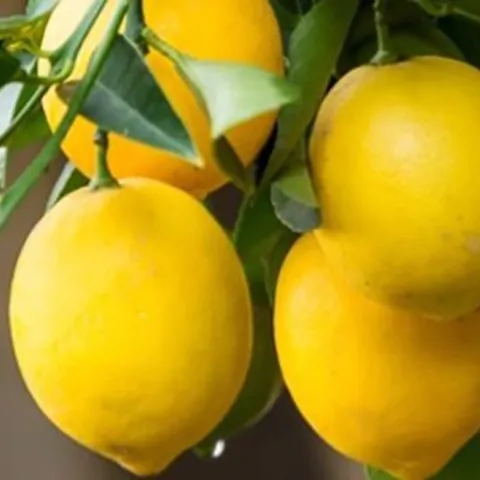
Check citrus trees for snails and slugs. Photo: Marie Narlock
Body

DECEMBER Plant Care Checklist

tools
Maintenance and prevention

  • Clean up the garden to avoid over-wintering diseases.
  • Cover open compost bins with a tarp when the rains begin.
  • Protect frost-sensitive garden plants such as succulents. If frost is predicted, cover or move them under a sheltering overhang. Use stakes around the plants to suspend the covering material so it doesn’t touch the foliage. Remove frost blankets during the day. Consider applying an anti-transpirant compound to plant foliage to seal in moisture.
  • Wait until the weather warms up in March to prune off any frost damaged plant parts.
  • Tour your landscape during a heavy rainfall. See where water is coming off your house and where there are eroding torrents. Think about ways to slow, spread, and sink the rain.
  • Do not disturb soil – no digging, tilling, or walking on wet soil to avoid compacting.  Shovel less, nurture more.
  • Clean and sharpen tools - remove all soil and wash them with a 10% bleach solution to avoid spreading diseases. After drying them completely, apply a light layer of vegetable oil to prevent rusting.
  • Reduce watering houseplants to avoid root rot over the winter when they are not actively growing.
  • Ensure houseplants are not exposed to heat sources. Increase humidity by placing plants on pebble filled saucers.
  • Feed the birds. Keep suet and seed feeders full.

Planting and propagating

  • Take cuttings of succulents and create small container gardens for holiday gifts.
  • Finish planting spring blooming bulbs.
  • Continue planting native plants and bulbs and scattering annual wildflower seeds.
  • Shop for the winter blooming Camellia sasanqua while it is in bloom.

Cutting and pruning

  • Lightly prune any evergreen shrubs to keep pathways clear. Trees can be thinned to prevent storm/wind damage.
  • Prune woody shrubs, hardy deciduous trees, dormant shade trees, and winter flowering shrubs just after bloom. Wait to prune spring flowering trees and shrubs until after they bloom.
  • Bring trimmed bare branches indoors for a unique decorative element.

Feed and fertilize

  • Lightly fertilize potted winter-growing succulents such as Aeonium, Aloe, and Kalanchoe if needed.

Pests and weeds

Edibles

  • Plant bulb onions and rhubarb divisions.
  • Watch for frost; cover sensitive crops as needed.
  • Learn more about crops to plant in December and other activities in the edible garden.

Fire-smart Landscaping

  • Plan for the upcoming fire season. Start by understanding the defensible space zones, especially the five feet surrounding the perimeter of your home. Remove combustible materials or vegetation in that area, especially near windows.
  • Learn more about fire-smart defensible space zones.


JANUARY 
Plant Care Checklist

citrus
Maintenance and prevention

  • Observe water runoff during a heavy rain and correct any drainage issues.
  • Protect tender garden plants by covering them on frosty nights. Use stakes to keep material from touching foliage and remove the coverings when temperatures rise the next day. Consider applying an anti-transpirant compound to plant foliage to seal in moisture.
  • Water plants (except succulents) before an anticipated frost.
  • Avoid walking on or working in garden beds after heavy rains to avoid compacting the soil.
  • Pick off old flowers from camellias and azaleas and clean up dropped flowers to reduce petal blight, a fungal disease. Do not add them to your compost pile.
  • Clean, sharpen, and repair garden tools.
  • Organize your tool shed.
  • Revitalize houseplants by washing the leaves, inspecting for insects, and repotting them if necessary.
  • Reduce watering of houseplants to avoid root rot, as most are not actively growing.  
  • Water outdoor plants if rainfall is scarce.
  • Water outdoor plants that are not exposed to rain (under eaves, on covered decks, etc.).
  • Feed the birds in your garden.

Planting and propagating

  • Purchase and plant bare root trees, roses, vines and shrubs. Bare root plants are less costly and establish faster than plants in containers. Avoid planting in soggy soil.
  • Divide and pot spring flowering perennials.

Cutting and pruning

  • Prune and cut back perennials and ornamental grasses.
  • Prune woody shrubs, deciduous trees, dormant trees, summer blooming vines, and winter flowering shrubs just after bloom. Wait to prune spring flowering trees and shrubs until after they bloom. Learn more about pruning.
  • Prune roses. Remove and dispose all leaves and debris to prevent overwintering pests and disease. Do not add to home compost.
  • After pruning, be sure to clean tools.

Pests and weeds

  • Inspect pine trees for bark beetles Learn more about bark beetlespitch mothswestern gall rust, and wood borers.
  • Inspect citrus trees for snails and slugs, brown rot, and root rot.
  • Spray fruit trees and roses with horticultural oil to control pests.

Edibles

  • Buy seeds.
  • Prune fruit trees and grapes.
  • Plant bare root fruit trees and shrubs, artichokes, asparagus, blackberries, grapes, onion starts, raspberries, rhubarb, and strawberries.
  • Learn more about crops to plant in January and other activities in the edible garden.
Fire-smart Landscaping
  • Remove any limbs 10 feet from the chimney or roof and maintain separation between trees or groups of trees.
  • Learn more about Fire-smart Landscaping.


FEBRUARY 
Plant Care Checklist

camelias
Maintenance and prevention

  • Inspect irrigation system for leaks and non-functioning emitters and sprayers. Run the system for a few minutes, paying close attention to which emitters are not working. Straighten lines and use a pin or needle to free any trapped grit in emitters. Make any other needed repairs or changes.
  • Clean up old and dropped flowers from camellias and azaleas to reduce petal blight, a fungal disease. Do not add them to your compost pile.
  • Avoid working in or walking on wet soil.
  • Be alert to possible freezing temperatures and protect sensitive plants such as citrus and succulents. Learn more about frost.
  • Apply organic fertilizer to citrus if needed.
  • Repot houseplants and succulents in anticipation of spring growth.

Planting and propagating

  • Finish planting bare root trees, shrubs, and roses before they break dormancy.
  • Divide perennials such as daylily and yarrow.

Cutting and pruning

  • Finish pruning dormant plants. Wait to prune back frost-damaged plants until warmer weather when you see whether they have recovered.
  • Prune Japanese maples while they are winter dormant.
  • Prune woody shrubs and evergreen trees (spruce, firs, junipers, yews, redwoods, and cypress), hardy deciduous trees, dormant shade trees, summer blooming vines, and winter flowering shrubs just after bloom. Wait to prune summer blooming trees and shrubs until after they bloom.
  • Cut back woody shrubs to stimulate new growth. To rejuvenate leggy shrubs, cut to the ground one-third of the oldest stems each year.
  • Prune ornamental grasses.
  • Finish pruning roses and dispose of canes, leaves, and debris.
  • After pruning, be sure to clean tools.

Pests and weeds

  • Check plants for aphids as the weather warms. Remove infestations with a hard spray of water or insecticidal soap.
  • Stay on top of weeds. Hand pull them or cut off at the soil line.
  • Monitor tender new growth for snails and slugs. Hand pick or apply an iron phosphate bait which is safe to use around children, pets, and wildlife.

Edibles

  • Use dormant oil spray on fruit trees if needed.
  • Cut down cover crops if ready. Chop into pieces and dig into beds or put into compost pile.
  • Plant artichokes, asparagus, broccoli, cabbage, cauliflower, celery, collard greens, leeks, onion starts, and rhubarb.
  • Learn more about crops to plant in February and other activities in the edible garden.
UC Marin Master Gardeners