
Here’s a riddle for you: What is the most abundant element in our atmosphere and critical to plant growth, but often lacking in our soil? The answer: nitrogen.
You may have heard that nitrogen is a powerhouse element in gardening. It’s a key component of chlorophyll, the pigment that keeps plants green and enables them to turn sunlight into food. It also promotes leafy green growth and boosts plant productivity. There’s a lot to love about this invisible element quietly working below the surface.
In fact, you’re more likely to notice the tell-tale signs of a lack of nitrogen in your garden: pale green or yellowing in the plant’s older leaves, stunted growth, reduced flowering, low fruit and vegetable yields, or dull, patchy lawns. Nitrogen deficiencies are quite common, often the result of water runoff during heavy winter rains, soil erosion or crop harvesting that pulls nitrogen from the soil.
For those of us seeking lush gardens, bountiful harvests, and vibrant color, nitrogen is a key element to promote plant health. Garden store shelves are full of fertilizers that add nitrogen to your soil through inorganic matter (read: minerals and synthetic chemicals). But there are also plenty of ways to add nitrogen to your garden naturally, increase your garden’s abundance, and promote earth friendly gardening to boot.

Compost
When plants are living, they sequester nitrogen for their own photosynthesis, but when they begin to decompose, the stored nitrogen is converted into a form that can feed our plants. Compost has been used for centuries to return nitrogen, increase beneficial microbes, and add organic matter to the soil. Adding 1-3 inches of compost to your garden before letting it go fallow for the winter can help replenish nutrients and improve soil structure, so that next year’s plants thrive.
Cover crops
If you’ve seen winter fields full of clover, fava beans, vetch, or alfalfa, you’ve probably spotted “nitrogen‑fixing” legumes at work. These plants boost soil fertility through a form of plant-based alchemy – partnering with beneficial bacteria on their roots to turn nitrogen gas from the air into a plant‑friendly form stored in their leaves and stems. Cutting these legumes down in spring and letting them decompose releases that nitrogen into the soil for the next crop, reducing the need for synthetic fertilizers and improving soil health.
Get that nitrogen fix
If you want to give your garden a natural nitrogen boost this winter, try an annual cover crop or a perennial nitrogen‑fixing shrub.
Clover (Trifolium repens) is a low‑growing groundcover with white blooms that bees love; simply turn it over with a shovel a few weeks before planting, allowing it to decompose and feed the soil. Be mindful that clover spreads readily–so only place it where you’ll be happy for volunteer nitrogen cover crops for seasons to come!
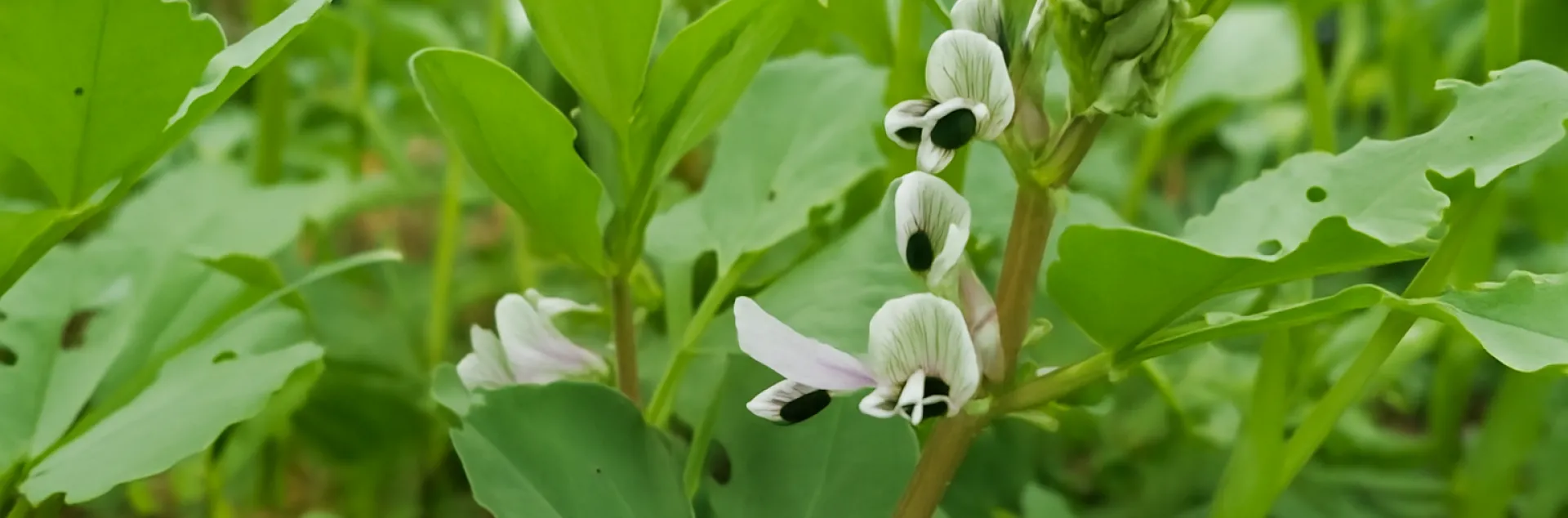
For another option, Fava beans (Vicia faba) add nitrogen and produce broad leaves and abundant flowers in late winter. Standard fava bean blooms are black and white, but some garden centers carry them in vibrant colors for winter interest. When about half of the plants are blooming, cut off the stalk, leaving the roots to decompose in place. Then chop the leaves, stems and flowers into small pieces and allow them to decompose in the bed. You can add a mulch or compost topsoil to make it more visually appealing.
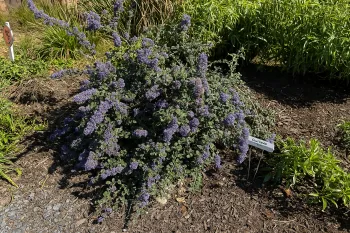
If you’re looking for a perennial, California lilac (Ceanothus), is a native evergreen shrub that is available in many forms at local nurseries. Ceanothus displays clouds of gorgeous blue or white flowers that attract native pollinators and improve the soil around their roots year after year.
As we enter the rainy season, now is the perfect time to plant nitrogen fixers, spread compost generously, and pause to enjoy the wonder of plants that draw elements from the sky and turn them into the nutrients that sustain our soil, nurture our flowers, and fill our tables.
By Anna Hartley-Simon, October 25, 2025