
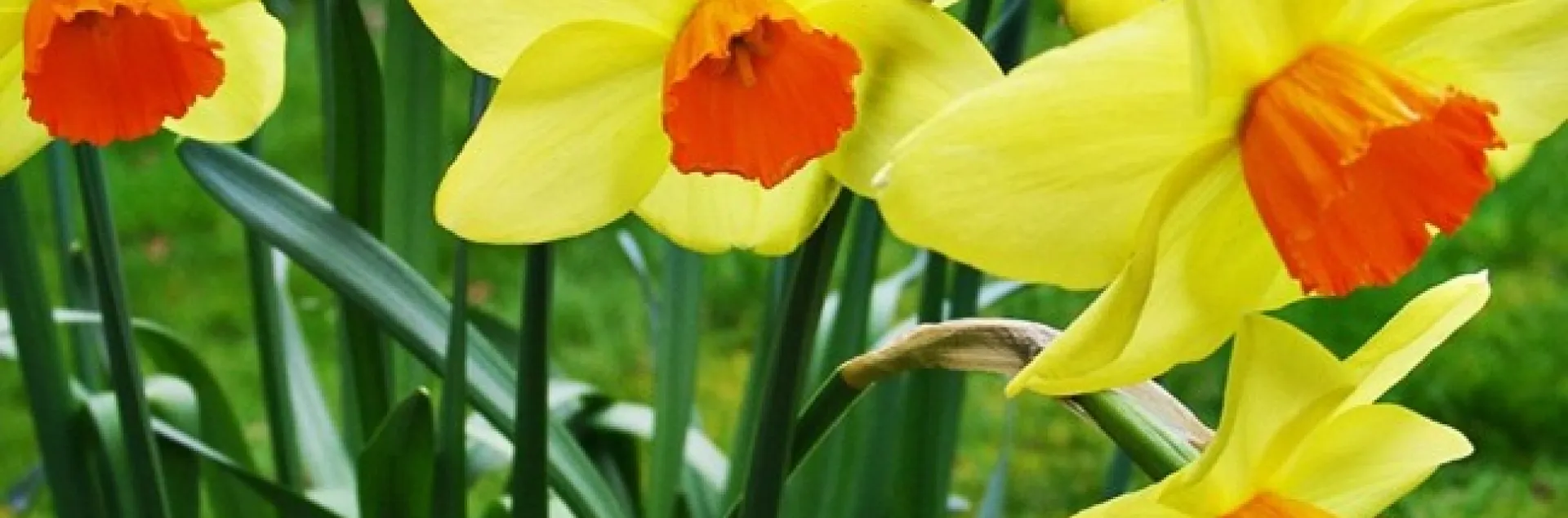
Are you looking out your window at a dull gray day -- and garden? Wondering when the roses will start blooming again? Welcome the winter showstoppers of our Mediterranean climate! We are so fortunate to live in an area with a myriad of options for colorful foliage, berries, blooms, fragrance, and habitat for wintering birds, bees, and other pollinators. Great news for those of us looking for a colorful, welcoming garden, and great news for our over-wintering birds, bees, and other pollinators. A true win win!
Quick start: add annuals
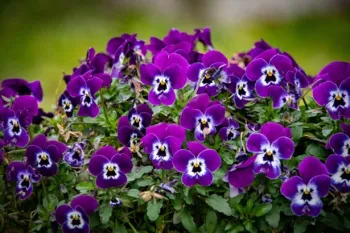
If you’re looking for a quick and easy way to brighten your garden with fabulous blooms, start with colorful annuals like pansies and violets. They are readily available in an array of colors, easy to plant, and require very little care other than regular water if rain is unavailable. Botanically speaking, pansies and violets are both from the Viola genus, but pansies have bigger, showier flowers – always with four petals pointing up and one down – and violets have smaller, more prolific blooms – with two petals up and three down.
Color every year: perennials and evergreens you can count on

These winter bloomers bring cheery color during the shortest days of the year.
Sasanqua camellias prefer full sun or partial shade and can grow quickly 6 to 14 feet tall and 5 to 7 feet wide. They can be pruned to control size. Leaves are glossy and evergreen. Grown in the ground or containers, the plants make a bright colorful winter statement and are excellent cut flowers. Somewhat deer resistant, they can easily be grown into a hedgerow.
Cyclamen are familiar, hard-working winter bloomers. The Royal Horticultural Society refers to cyclamen as “the flower that wakes up just as most other plants go to sleep for the winter.” They are available in a variety of colors – white, pink, fuchsia, red -- and their leaves -- some variegated, heart-shaped, or ruffled - are charming. As summer heads our way, their corms go dormant, only to come to life when the weather cools and rain returns.
Hellebores, also known as Christmas or Lenten rose (Helleborus niger), have large evergreen leaves with flowers in a variety of colors. Plant in a shady spot in your garden for years of deer-resistant, low-water winter blooms. Beware – all parts of the plant may be toxic if ingested.
Hardenbergia is an evergreen vine that bursts into a proliferation of purple flowers in winter. It quickly twines its way 6 to 12 feet up and through fences and arbors.
Daphne sports soft pink blooms and a delectable fragrance that wafts through the garden. Daphne prefers part sun, regular water, and fertile, well-draining soil. Gardeners love daphne -- but deer do not.
Coral bells (Correa) are Australian shrubs with delightful, deer-proof blooms. This easy-care plant grows 2 to 3 feet tall and 4 to 5 feet wide. It performs in light shade and prefers well-draining soil.
Many California natives offer colorful winter flowers and berries. They are easy to grow, drought tolerant, and provide food and shelter for birds, bees, and other pollinators. Native plants have developed a symbiotic relationship with insects and birds that overwinter. Plants provide nectar, pollen, and seeds for nourishment. Insects, in return, provide help with pollination. These California natives shine in winter:
Ceanothus, also known as California lilac, is available as low groundcovers, mid-size shrubs, or low or multi-branched trees. Winter and early spring flowers range from bright blue, purple, pink or white. They are best planted in lean, native soil. Once established, avoid overwatering.
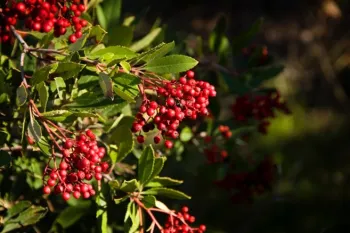
Toyon, also known as Christmas holly, is a magnet for many of our local bird species. Its bright red berries are a delight during the holidays.
Manzanitas are abundant in our open space preserves and neighborhoods. The first rains of the season trigger blooms. They are a very important source of pollen for birds and mammals.
Pop-ups: bulbs provide cheery color

Many of the flowers that spring up from bulbs in winter are the quintessential harbingers of spring. The best part? You plant them once and they come back year after year – so easy!
Daffodils are springtime darlings, but many emerge in late winter. As a bonus, deer don’t touch them and they make superb cut flowers.
Crocus is one of the first bulbs to emerge in winter. Short and tough, it bursts up during the darkest days of the year. Blooming in shades of purple, white, yellow, pale pink, and anywhere in between, crocus are cheerful additions to any garden.
Winter gardens can be beautiful – and colorful!
A winter garden filled with a variety of blooming plants and colorful seeds and berries will brighten even the gloomiest days.