
Las Tres Hermanas y la fuerza de lo que seguimos sembrando
Por Ricardo Vela
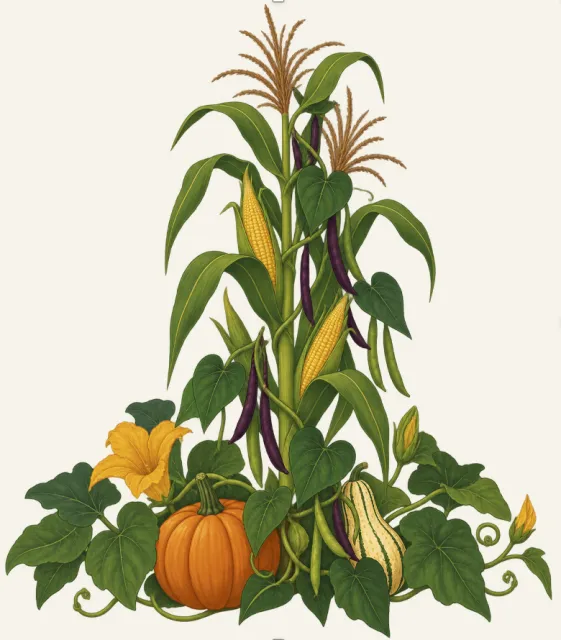
En muchas culturas nativas de las Américas, la siembra de las Tres Hermanas —maíz, frijol y calabaza— representa mucho más que alimento. Es una lección de vida. El maíz sostiene, el frijol nutre la tierra y la calabaza protege. Cada una cumple su papel, pero juntas crecen mejor.
Esa imagen nos acompaña este año durante el Mes de la Herencia Hispana, en un momento en que nuestras comunidades vuelven a recordarnos que la fuerza latina también nace de sostenernos, nutrirnos y protegernos unos a otros.
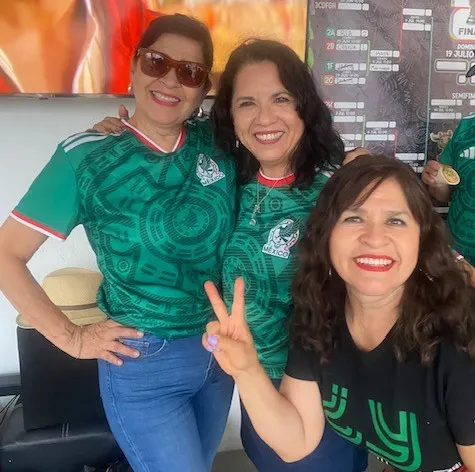
Lo vimos en el fútbol, ese idioma universal que tantas veces nos devuelve alegría, memoria y esperanza. Para millones de latinos, el soccer no es solo un deporte; es familia, barrio, infancia, camiseta, orgullo y pertenencia. En Estados Unidos, muchos vivimos esa pasión con el corazón dividido: una parte latiendo por México, otra por Estados Unidos, y ambas recordándonos que nuestra identidad rara vez cabe en una sola bandera.
Pero este también ha sido un año de contrastes. Mientras algunos celebraban el grito de gol, otras familias latinas enfrentaban miedo, incertidumbre y dolor ante operativos migratorios y acciones de ICE que han vuelto a poner sobre la mesa preguntas profundas sobre dignidad, justicia y pertenencia.
Esa dualidad —la alegría y la preocupación, la celebración y la resistencia— forma parte de lo que significa ser latino en Estados Unidos hoy.
Un reciente estudio del Pew Research Center confirma esa complejidad: muchos hispanos consideran su identidad una parte esencial de cómo se ven a sí mismos, pero están divididos sobre si esa identidad les ayuda, les perjudica o no hace diferencia para salir adelante en este país. También seguimos preguntándonos por el futuro del español en Estados Unidos, no solo como idioma, sino como raíz, memoria y puente entre generaciones.
Porque el español no es únicamente una forma de hablar. Es una forma de recordar quiénes somos. Es la voz de nuestras madres, de nuestros abuelos, de nuestras cocinas, de nuestros mercados y de nuestras historias. También es una herramienta de acceso a la información, a la salud, a la educación y a mejores oportunidades.
Por eso, en este Mes de la Herencia Hispana, también queremos celebrar a quienes han usado el idioma, la cultura y el conocimiento para servir.
Hoy reconocemos a los educadores comunitarios latinos que formaron parte de CalFresh Healthy Living y que pusieron el corazón en su trabajo. Ellos llevaron información científica, clara y práctica a hogares, escuelas, centros comunitarios, jardines, mercados de agricultores y programas para jóvenes y adultos.
Durante años, CalFresh Healthy Living de UC ANR promovió una vida más saludable a través de educación nutricional, actividad física y proyectos comunitarios. Desde 2018, el programa llegó a más de 18 millones de personas; pero su impacto más profundo vive en las familias que aprendieron a preparar comidas más saludables, en los niños que probaron nuevas frutas y verduras, y en las comunidades que encontraron nuevas formas de cuidarse.
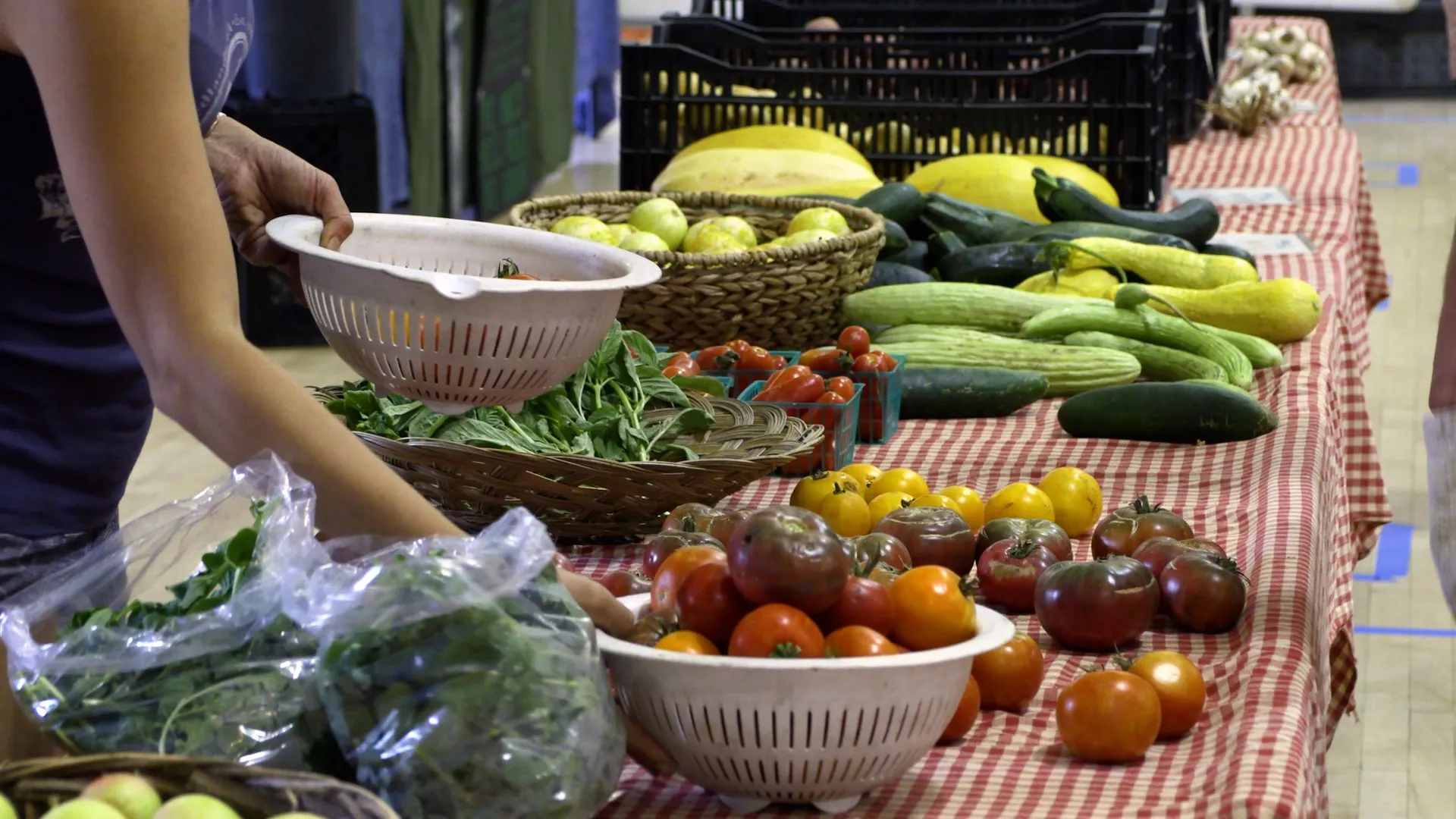
NOS fue testigo de ese legado. A través de nuestra lente, vimos clases de cocina, huertos comunitarios, mercados de agricultores y programas de caminata que hicieron visible la misión de UC ANR en las comunidades latinas.
Vimos cómo una clase de nutrición podía convertirse en movimiento comunitario. Como recordó Martha S. Lopez: “Cuando se empezó el club de caminar, era cuando yo estaba haciendo las clases de nutrición y ahí es cuando creció que queríamos hacer un poco más de ejercicio o movernos un poquito más.”
Vimos también cómo información sencilla podía ayudar a una familia a llevar más frutas y verduras a casa. Jackie Barahona lo explicó al hablar de Market Match: “Usted puede gastar hasta $10 en frutas y verduras, Market Match le puede igualar hasta esos $10, así que se puede llevar el doble de producto.”
Y vimos algo más: que vivir saludablemente no significa dejar atrás nuestra cultura. Las recetas familiares, las enchiladas potosinas, las pupusas salvadoreñas, los sabores de la abuela y las tradiciones de nuestros países también fueron parte de esta historia.
Hoy, al cerrar esta etapa de CalFresh Healthy Living, su legado sigue vivo. Queda en cada niño que aprendió a probar algo nuevo, en cada familia que encontró una forma más saludable de alimentarse, en cada adulto mayor que salió a caminar con sus vecinos y en cada comunidad que descubrió que la salud también se puede sembrar.
Como las Tres Hermanas, nuestra comunidad crece cuando cada quien aporta lo suyo: quienes sostienen, quienes nutren, quienes protegen, quienes enseñan y quienes siguen sembrando esperanza.
Ser latino en Estados Unidos este año es vivir entre muchas emociones. Es celebrar un gol con el alma compartida. Es defender el derecho a vivir sin miedo. Es cuidar el español mientras abrimos caminos en inglés. Es honrar nuestras raíces no solo con palabras, sino con acciones.
En este Mes de la Herencia Hispana, celebramos a nuestra comunidad por lo que ha resistido, pero también por todo lo que ha construido.
Gracias a los educadores comunitarios latinos que sembraron salud.
Gracias a quienes llevaron conocimiento, dignidad y esperanza a nuestras familias.
Y gracias a quienes nos recuerdan que nuestra herencia vive en lo que hacemos por los demás.

The Three Sisters and the Strength of What We Continue to Plant
By Ricardo Vela
In many Native cultures of the Americas, the planting of the Three Sisters – corn, beans and squash – represents much more than food. It is a lesson in life and community. Corn provides support, beans nourish the soil, and squash protects the ground. Each has its own role, but together they grow stronger. The Three Sisters symbolize a widely recognized Indigenous agricultural practice rooted in interdependence, balance and cooperation.
That image stays with us this year during Hispanic Heritage Month, at a time when our communities continue to remind us that Latino strength also comes from supporting, nourishing and protecting one another.
We saw that spirit in soccer, that universal language that so often gives us joy, memory and hope. For millions of Latinos, soccer is not just a sport. It is family, neighborhood, childhood, a jersey, pride and belonging. In the United States, many of us lived that passion with a divided heart: one part beating for Mexico, another for the United States, and both reminding us that our identity rarely fits under a single flag.
But this also has been a year of contrasts. While some celebrated the shout of “goal,” other Latino families faced fear, uncertainty and pain amid immigration enforcement actions that have again raised deep questions about dignity, justice and belonging.
Those dualities – joy and concern, celebration and resistance – are part of what it means to be Latino in the United States today.
A recent Pew Research Center study reflects that complexity. The study found that many Hispanic adults consider their Hispanic identity an important part of how they see themselves, but they are divided over whether being Hispanic helps them, hurts them or makes no difference in their ability to get ahead in this country.
And then there is language.
Spanish remains one of our deepest roots. It is not only a way to communicate; it is memory, family, culture, access, and dignity. Recent conversations about whether Spanish is being lost in the United States remind us that language is also a way of planting identity for future generations.
Because Spanish is not only how we speak. It is how we remember who we are. It is the voice of our mothers, our grandparents, our kitchens, our markets, and our stories. It is also a tool for access to information, health, education, and better opportunities.
That is why, during Hispanic Heritage Month, we also want to celebrate those who have used language, culture, and knowledge to serve.
Today we recognize the Latino community educators who were part of CalFresh Healthy Living and who put their hearts into their work. They brought clear, practical, science-based information to homes, schools, community centers, gardens, farmers markets and programs serving youth and adults.
For years, CalFresh Healthy Living, UC Cooperative Extension promoted healthier lives through nutrition education, physical activity and community-based projects. Since 2018, the program reached more than 18 million people. Its deepest impact lives in the families who learned to prepare healthier meals, in the children who tried new fruits and vegetables, and in the communities that found new ways to care for one another.
NOS witnessed that legacy. Through our lens, we saw cooking classes, community gardens, farmers markets and walking programs that made UC ANR’s mission visible in Latino communities.
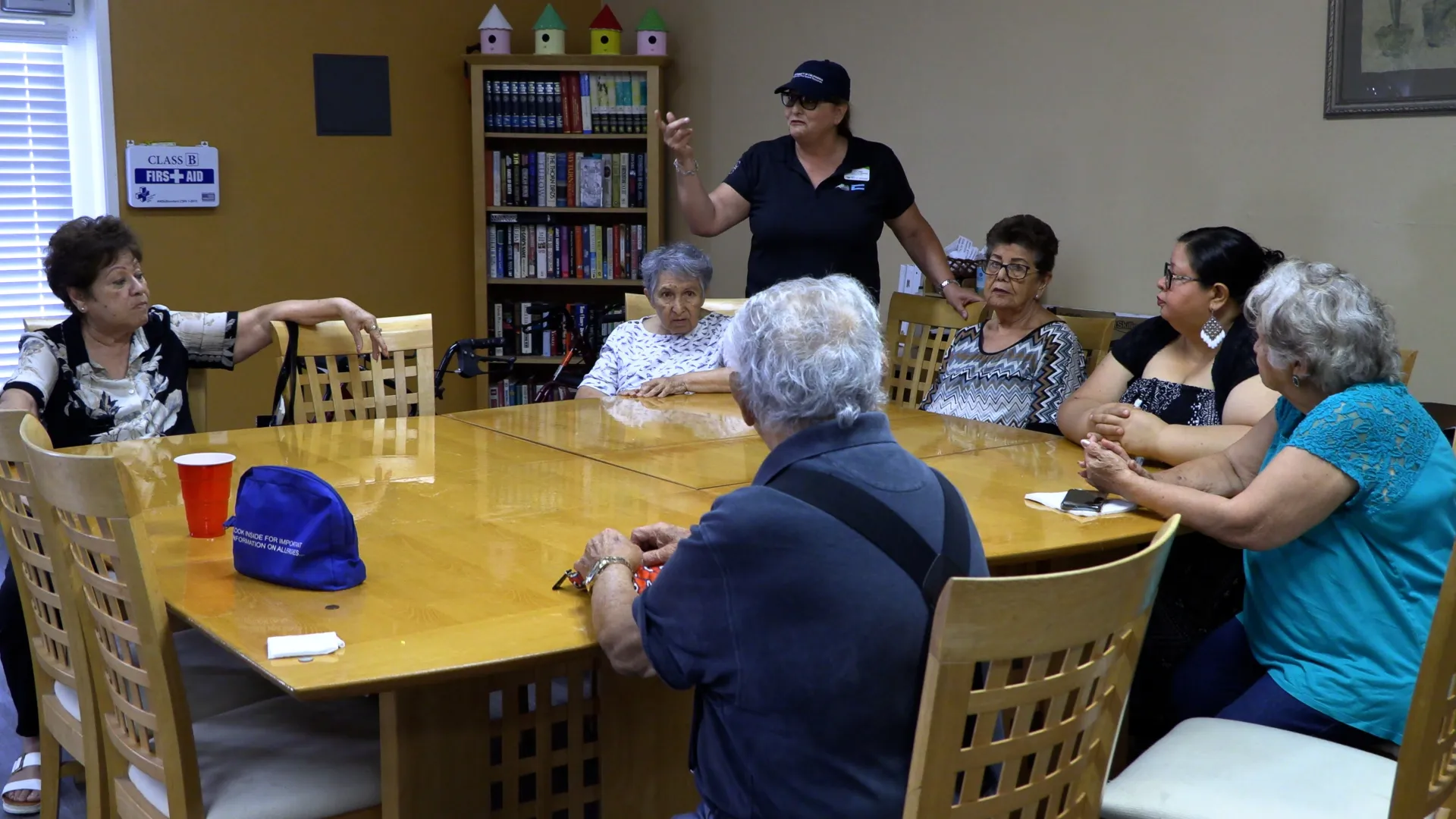
We saw how a nutrition class could become a community movement. As Martha S. Lopez, Cal Fresh Community Educator, recalled: “When the walking club started, I was doing the nutrition classes, and that is when it grew because we wanted to do a little more exercise or move a little more.”
We also saw how simple information could help a family bring more fresh fruits and vegetables home. Jackie Barahon, Cal Fresh Community Educator, explained it clearly when talking about Market Match: “You can spend up to $10 on fruits and vegetables, and Market Match can match up to those $10, so you can take home twice the amount of produce.”
And we saw something else: living a healthier life does not mean leaving our culture behind. Family recipes, enchiladas potosinas, Salvadoran pupusas, the flavors of our grandmothers and the traditions of our countries were also part of this story.
Today, as this chapter of CalFresh Healthy Living comes to a close, its legacy remains alive. It lives in every child who learned to try something new, in every family that found a healthier way to eat, in every older adult who went walking with neighbors, and in every community that discovered that health can also be planted.
Like the Three Sisters, our community grows when each of us contributes something: those who support, those who nourish, those who protect, those who teach and those who continue planting hope.
To be Latino in the United States this year is to live with many emotions. It is to celebrate a goal with a shared heart. It is to defend the right to live without fear. It is to sustain the vitality of Spanish while opening paths in English. It is to honor our roots not only with words, but with action.
During Hispanic Heritage Month, we celebrate our community for what it has endured, but also for everything it has built.
Thank you to the Latino community educators who planted health.
Thank you to those who brought knowledge, dignity and hope to our families.
And thank you to those who remind us that our heritage lives not only in what we remember, but in what we do for others.