
By Alison Collin, Inyo-Mono Master Gardener Volunteer
I have been gardening in the same plot for 15 years, and this is by far the worst year for cutworm damage. Usually, I have a few plants that have been eaten or “cut,” but this year the majority of my transplants have been chewed.
Early Signs
I started my onions inside in plugs very early in the year, and then transplanted them outside when they had developed two true leaves. Initially, all was well at this stage, but after a couple of weeks of growth, some leaves looked as though they had been cut with scissors just above ground level, the classic sign that cutworms were feeding. This had happened to a few plants in previous years, so I did not worry unduly.
The best way to catch cutworms is to wait until it is dark, and then go out with a flashlight and check the plants carefully. I did this on several nights but never saw any cutworms, so I began to wonder if the culprits were perhaps earwigs.
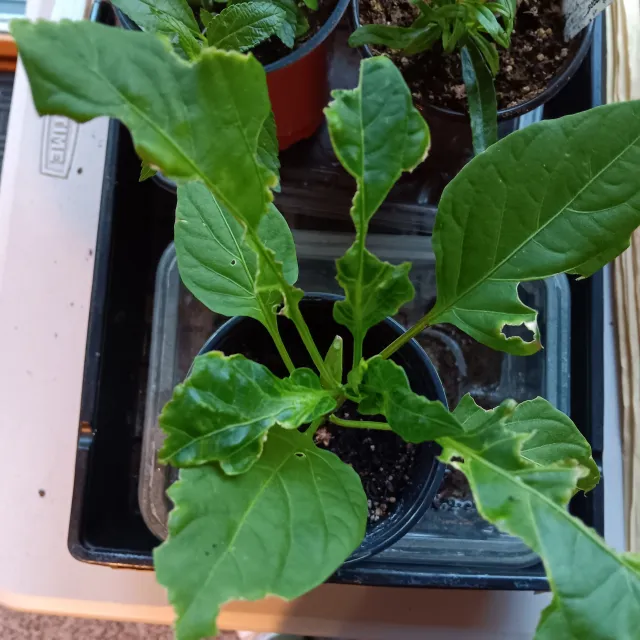
Then things got really bad. Almost every plant was damaged, with some quite large leaves cut off, and if any were touching the ground, they had large holes in them.
Cutworms Found
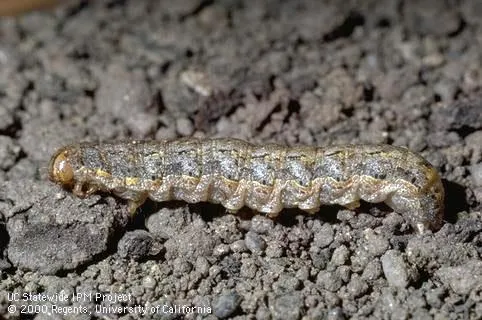
I waited until it was several hours after dusk, and checked with my flashlight again, and there they were! Almost every one of my 30 plants had a large grey caterpillar perched on the tip of a leaf, munching away as fast as it could. I removed and destroyed them.
I needed some fine soil for a project and scooped up some from the side of the onion bed. In this one spadeful, I found five cutworms, coiled into the classic C-shape! I tilled that area as best as I was able in the hope of destroying what remained.
Meanwhile, inside, I potted sweet peppers into 4-inch pots. These plants had been inside for some weeks, and I used a new bag of organic potting soil for this purpose. I then began to put them outside on a table during the day, not touching the ground, and bring them in at night. I noticed that one leaf had been damaged at some point, and by the next morning, the plant had been badly chewed! I put it in a dark room, and late in the evening, I caught a monster cutworm on it. I really don't know where it had come from.
Control
I have just planted out my tomatoes and cucurbits, putting a card collar around the base of each plant, with a circle of diatomaceous earth outside that. I have frost protection around the tomato cages for the moment. I did not notice that one of the tomato leaves was touching the ground, and the very next morning, it had been chewed! I am planning to spray with Bacillus thuringiensis as soon as I can, which is on UC IPM’s list of recommended products for gardens.
Where Did They Come From?
Cutworms are the larvae of various night-flying moths and can vary in colour. They typically live in loose soil or compost, where they spend their days coiled up into a classic C-shape and feed at night.
Next to my vegetable plot is a peach tree, and when it was blooming early in the year, there were two nights when it was visited by clouds of moths busy feeding on the flowers. I have never seen this before, and was excited by the event, but now I am very suspicious that these moths may be responsible for the boom in the cutworm population.