By: Denise Godbout-Avant
Want to make your lawn more attractive for small creatures such as insects, amphibians, and birds? You can do it by not mowing it for four weeks sometime during the months of March through May.
Not Beneficial to Wildlife
Grass-only lawns cover 40 million acres in the USA, making it a monoculture of the largest irrigated crop we grow. Lawns are mowed, raked, fertilized, chemically treated, using time, money, and lots of water. This translates to loss of native habitat as much as sites covered with buildings and concrete. As a result, lawns provide little benefit to local wildlife and are often harmful to them.
Due to mowing, lawns lack the flowers and nesting sites that native bees need (70% of bees are ground nesters). The pesticides and fertilizers used to treat lawns harm bees and other invertebrates, as well as small vertebrates such as frogs.
Why Mow Less in Spring?
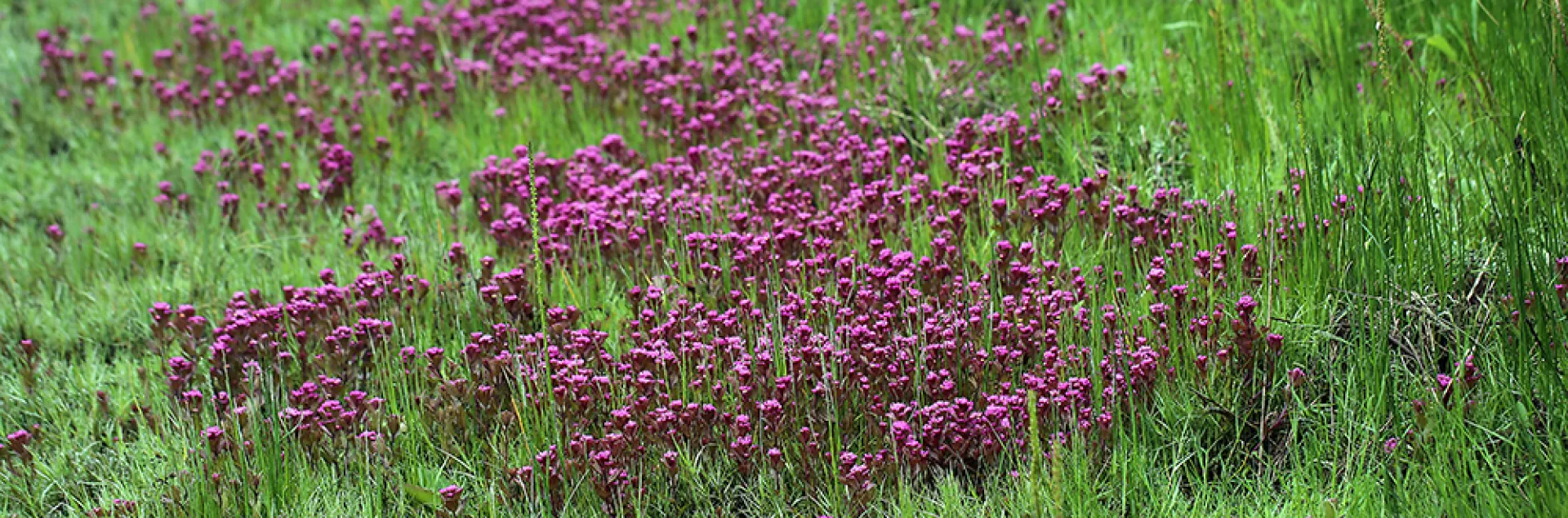
The start of the growing season is a critical time for hungry, newly emerging insects who have been sheltering or hibernating during the cold winter months, since flowers can be scarce. By skipping mowing your lawn for a month, flowers can appear providing vital pollen and nectar for bees, butterflies and moths, along with other beneficial insects. Taller grass can also provide shelter for many small creatures.
Benefits of Reduced Mowing Year Round
You may want to consider reducing mowing your grass year-round by mowing every 2-3 weeks instead of weekly. In addition to helping beneficial insects, you’ll save water since taller grasses require less water and have deeper roots which reduce water evaporation. Less mowing also results in reduced air and noise pollution from gas-powered equipment.
Some people are concerned that less mowing may result in messy-looking yards, but if you keep a buffer zone around the edges trimmed and mowed, that will result in a neater appearance.
You can go beyond reduced mowing by not trimming the grass around blooming flowers or changing some of your grass to include some low-lying flower species such as native clovers, violets, or creeping thyme. You could even reduce your lawn area and add native flowering shrubs and trees!
“No Mow Spring” or “No May May” (or perhaps should be called “No Mow March” here in California, where spring comes earlier than much of the USA) are names for a movement that aims for understanding the importance of how we can help the small creatures we share our gardens with. So, consider skipping mowing your lawn for a month this spring to help the bees and other pollinators and increase diversity in your garden. It’ll be less work for you and help our fellow, valuable tiny creatures!
Resources
https://beecityusa.org/no-mow-may-low-mow-spring-faqs/ - All about No Mow May and native plant gardens
https://www.calscape.org/ - California native plants resource
Denise Godbout-Avant has been a UC Master Gardener in Stanislaus County with UC Cooperative Extension since 2020