
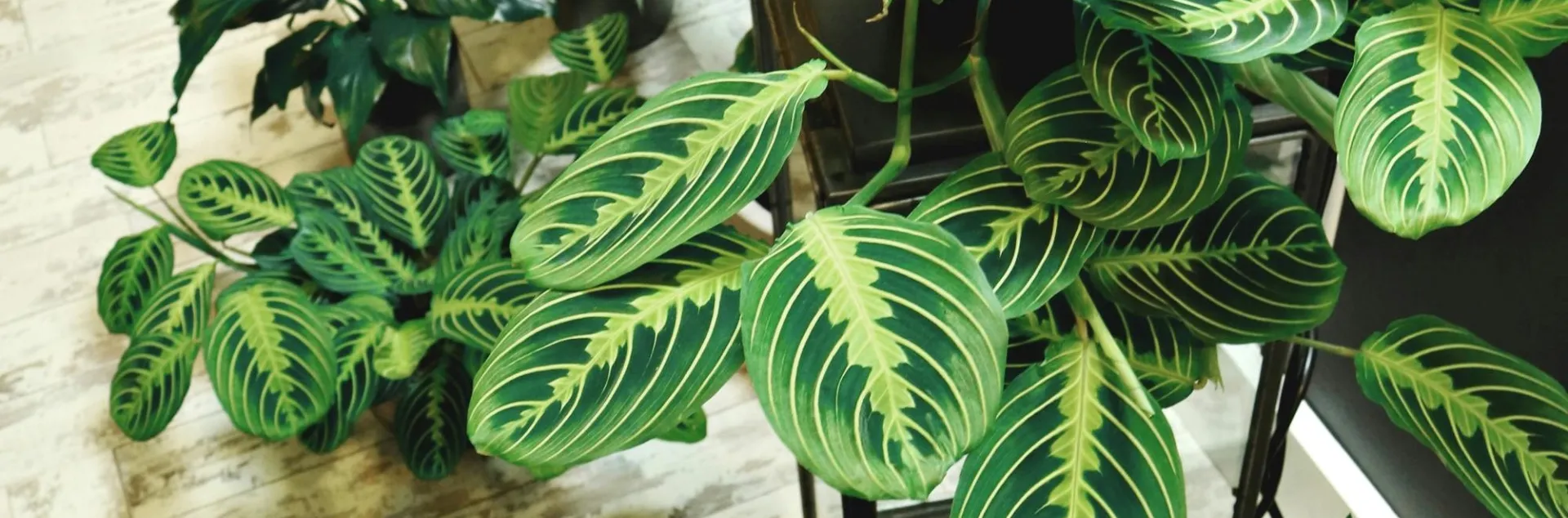
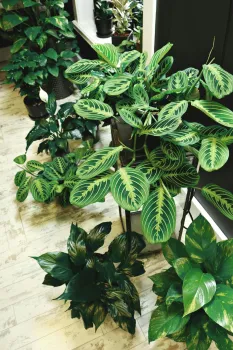
Once the holiday lights are packed away and the cold gray days of winter fill our skyline, it’s time to brighten up the house with indoor plants!
Who doesn’t love a variety of living plants in various colors, textures, and sizes, standing upright or spilling over the sides of a decorative container, strategically placed in the family home? In addition to providing a stylish design element, living plants help purify the air that you breathe by removing carbon dioxide and replacing it with life-giving oxygen.
Let’s start with the basics: plants need good growing medium, light, water, and nutrients. Sounds easy, right?
Plant selection: Do you envision a single plant in a pot or multiple plants in a large container? Where would you like it to sit – near a north-facing window or in the middle of a large room with windows, but no direct sunlight? Mentally envisioning your container will help in the selection of plants that will thrive in your location. Learn more about some popular houseplants and their cultural needs at https://plantmaster.com/presents/plants.php?id=5fb0a1e282d01.
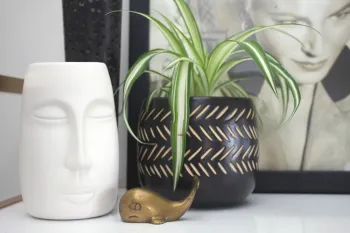
Containers: Your container is very important to the life of your plant AND your furniture. All plants need moisture, some more than others, but they almost universally dislike wet feet. Your container needs to allow for drainage but also protect the surface where it sits. A cache pot (a pot with no drainage holes) is ideal for holding a pot with drainage. Remove the pot with drainage to water, then reinsert it into the attractive cache pot. Occasionally, give the cache pot a good cleaning to discourage mold, mildew, or mineral deposits. Containers with saucers also work well; just be sure to empty the saucer.
Soil: Proper soil is essential for a healthy plant. Houseplants prefer a light, airy medium – definitely not garden soil. Purchasing a packaged soil specifically labeled for houseplants is the easiest way to start. If you prefer to make your own soil, here are a few recipes to try: https://hgic.clemson.edu/factsheet/indoor-plants-soil-mixes/.
Nutrition: Get your houseplant off to a good start with a quality planting mix. Refresh the soil periodically, then feed the soil, not the plant, monthly, with a dilute balanced fertilizer. Do not fertilize in the winter when plants are not in a growth phase.
Houseplant problems: Most problems stem from over or underwatering, insufficient lighting, or lack of care. Your plants are members of your household; routinely keep them clean, check for insects, and provide adequate nourishment and hydration.
Pests: The best long-term approach to managing pests is weekly monitoring. Regular check-ups can help prevent massive infestations.
The first line of defense involves careful examination of a plant before bringing it indoors. Study the plant, inspect the leaves, and consider isolating a new plant for a few weeks to ensure pests do not emerge.
Common houseplant pests, including aphids, mealybugs, mites, and thrips, can be managed by washing the plant thoroughly with water, removing and disposing of heavily infested parts, and considering applying insecticidal soap or horticultural oil. Always carefully follow the directions for using pesticides. Mealybugs can sometimes be controlled with isopropyl alcohol applied directly with a cotton swab. Scale will need to be scraped off the plant before following the washing regime. Gnats are often caused by overwatering and poor drainage. Treat this infection by allowing the plant to dry out and removing decaying plant material.
Sometimes the infestations will be so problematic that the best remedy is to discard the plant and start over.
Pets: Fluffy and Spot may be as attracted to your houseplants as you are. Unfortunately, tasting is a way pets get to know plants. Many common houseplants are mildly toxic to deadly to our furry family. Fortunately, the ASPCA provides an exhaustive online database of plants known to be toxic to cats and dogs, and those that are non-toxic and excellent options for keeping your pets safe. Study it here: https://www.aspca.org/pet-care/aspca-poison-control/toxic-and-non-toxic-plants.
Have fun brightening your home with some engaging ornamentals this winter!
By Jane Scurich, January 17, 2026