
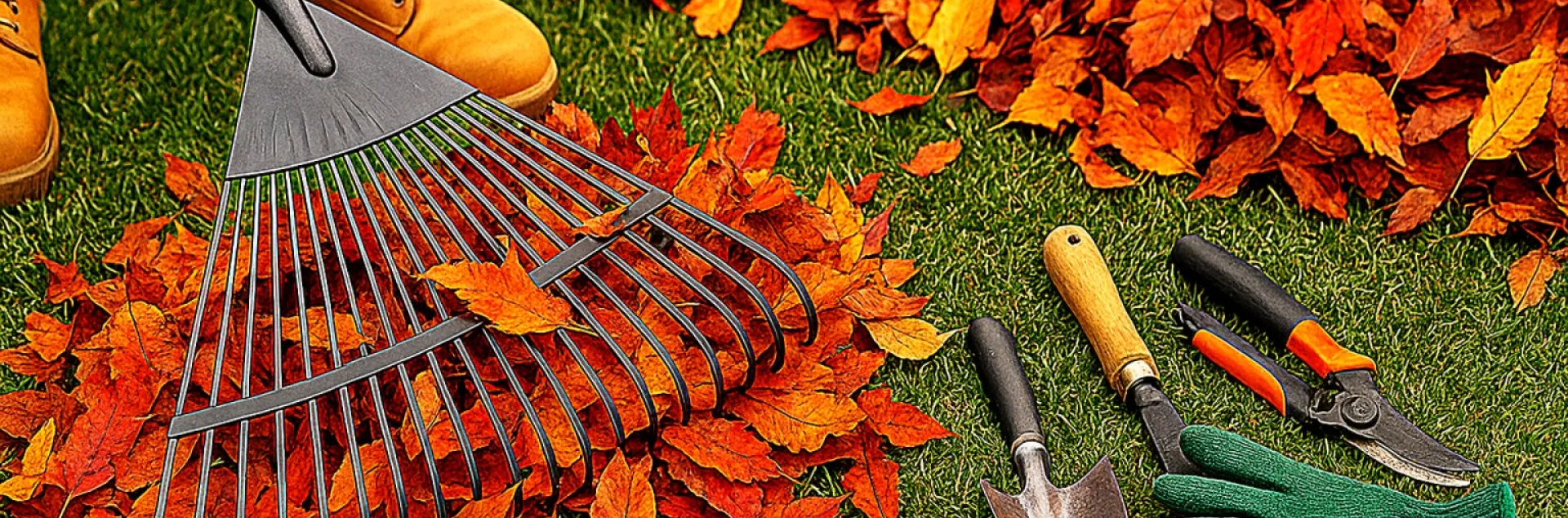
As the long, sunny days of summer fade, fall and winter bring a quieter but equally important season in the Bay Area garden. While plants rest, gardeners prepare for the next growing cycle. This checklist helps new and experienced gardeners keep their gardens thriving through the cooler months — especially tailored for Bay Area microclimates (USDA Zones 9a–10a). See USDA California Plant Hardiness Zones
Fall Garden Chores (October–December)
1. Clean Up & Refresh:
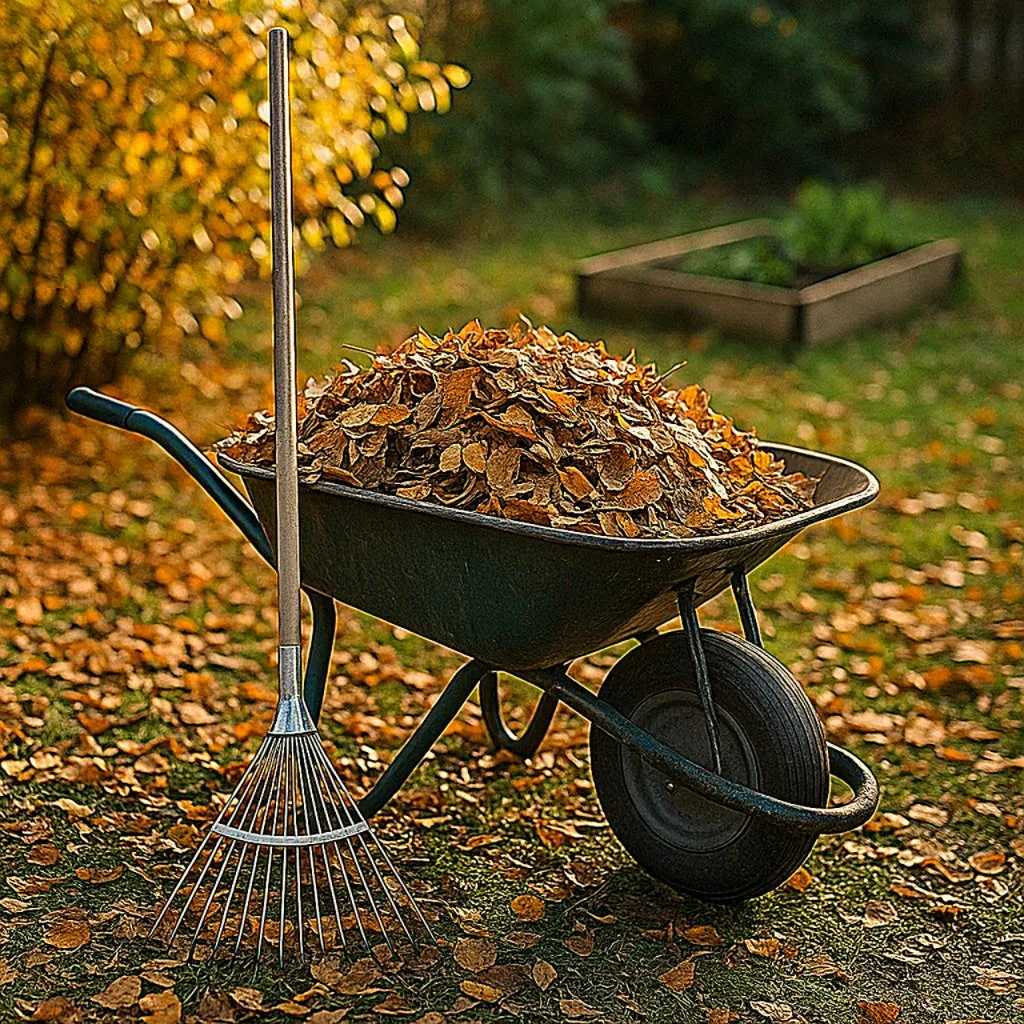
Remove spent annuals and vegetables. Clear away summer crops like tomatoes and squash to prevent pest and disease carryover.
Compost what’s healthy. Avoid composting diseased plants or weeds with seeds. See this article on the basics of composting: Composting Basics
Rake leaves into compost piles or use as mulch to enrich soil and protect roots. See this article on the basics of mulch: Mulch in Landscaping
2. Feed Your Soil:
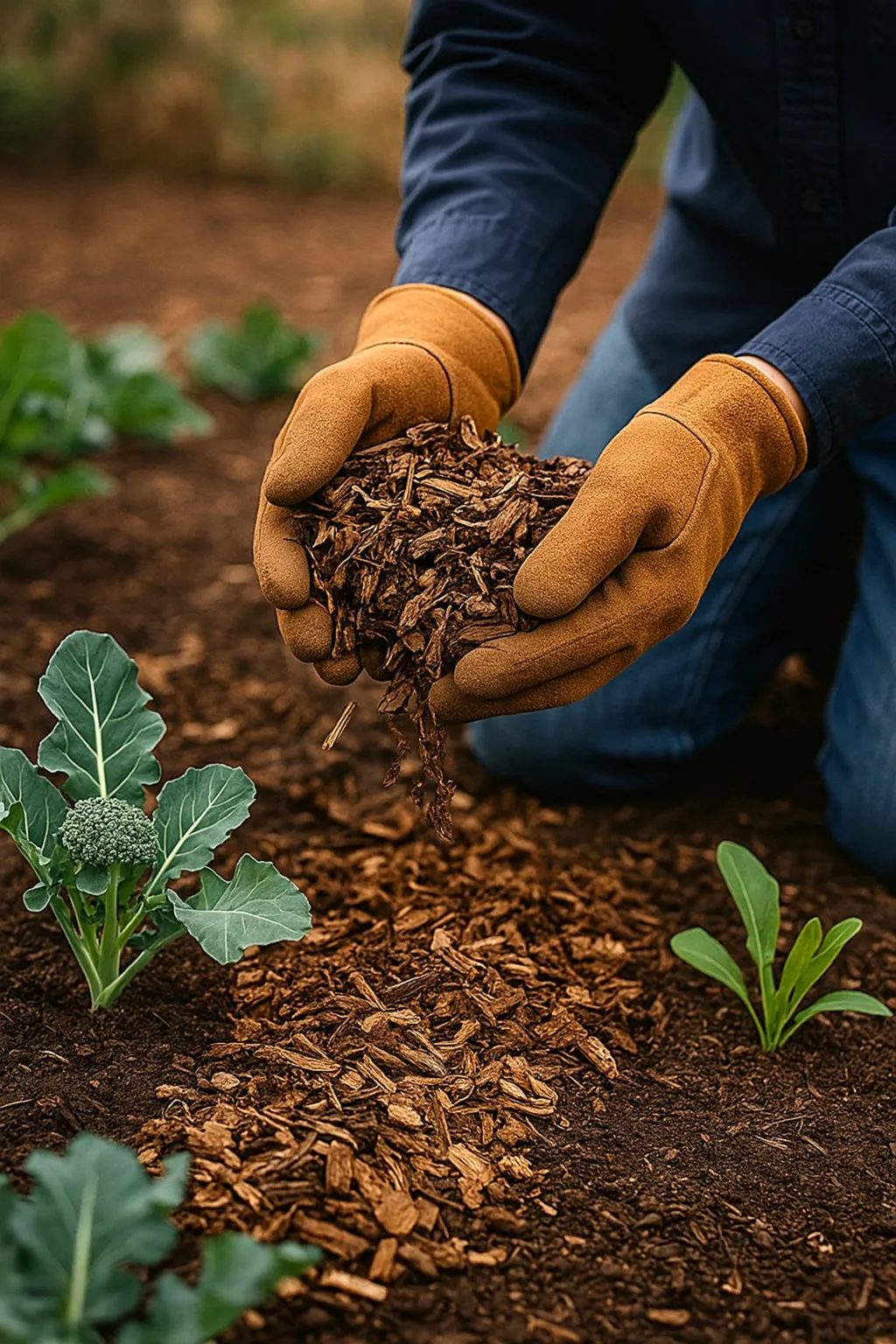
Add compost or aged manure to replenish nutrients after the summer harvest. See: How to Use Compost
Top dress perennials and trees with 2–3 inches of organic mulch, keeping it a few inches from trunks and stems. See: Mulch in Landscaping
Test your soil. The Master Gardeners of Alameda County (MGAC) offers a resource list of local labs to test the soil and plan for soil amendments. See resource on local soil testing labs: Soil Testing
3. Plant for Cool Weather:

Sow or transplant cool-season vegetables: for example, broccoli, kale, spinach, beets, lettuce, onions, peas, and garlic. See this handout for a vegetable plant timing chart. See: Planting Chart Interior Regions & Planting Chart Coastal Regions
Plant California natives perennials and shrubs — they establish best in cool, moist soil. See this article on native perennials and shrubs that are good bay area choices. Some Bay Area Perennial Favorites
Add spring bulbs such as daffodils, tulips (pre-chilled), freesias, and ranunculus. See this article for good choices on bulbs for your bay area yard. Fall Bulbs for Spring Blooms
4. Tend to Fruit Trees:
Harvest citrus and apples as they ripen. Be sure to pick up any fallen, rotten fruit that may promote insect infestations and fruit tree disease.
Prune deciduous trees once leaves drop — remove crossing branches and dead wood. For tips on pruning, see: Fruit Tree Pruning
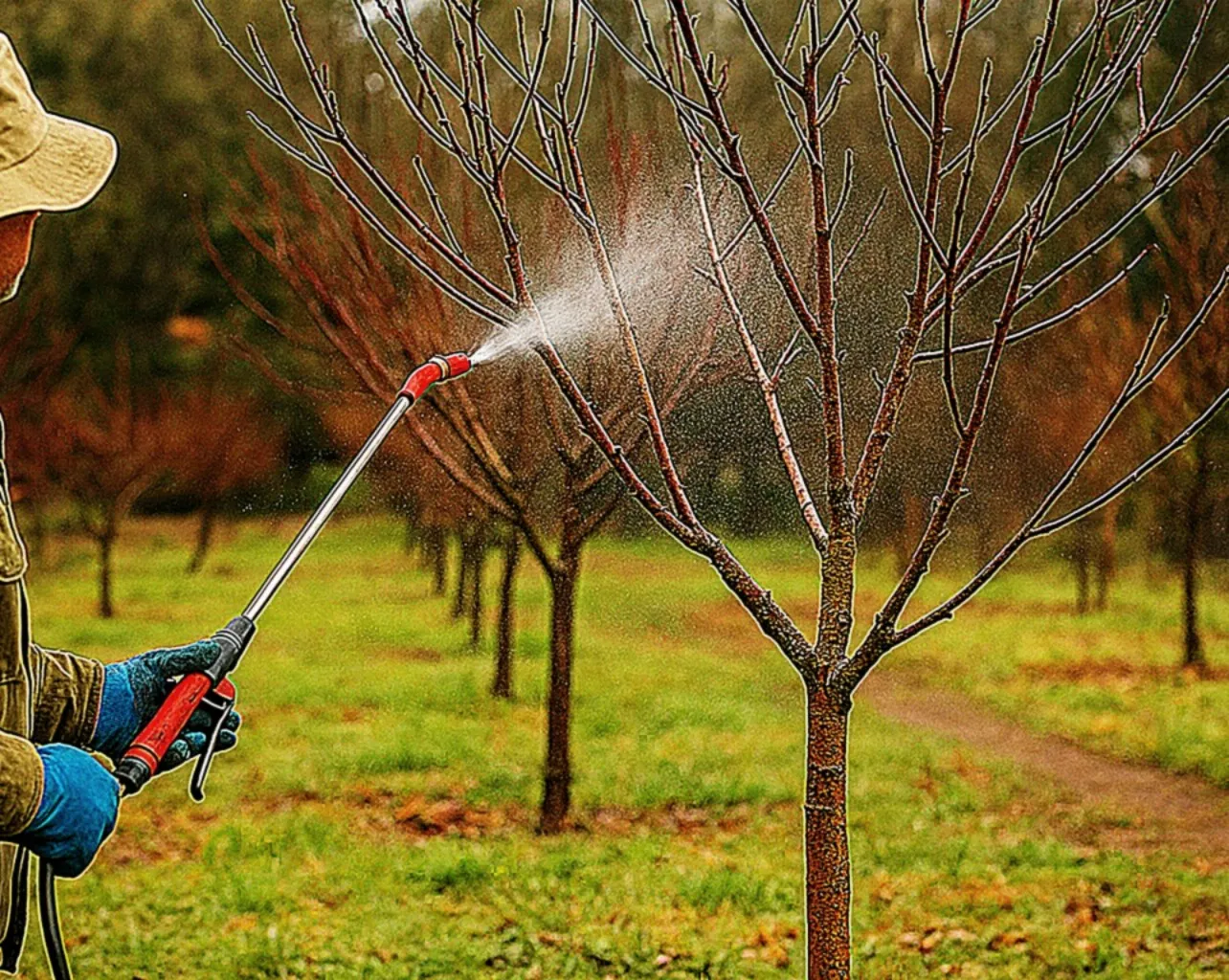
Spray dormant oil (per UC IPM guidelines) on peaches, nectarines, and plums to prevent peach leaf curl and scale. For tips on dormant spraying of stone fruits see: How to Treat for Peach Leaf Curl
5. Manage Water Wisely:
Adjust irrigation timers. Shorter days and rain mean less water is needed. If you do not have a drip system in your garden, this is a good time to put one in when the area is cleared. For tips on setting up drip irrigation see: Drip Irrigation for Home Gardens
Check drainage. Ensure downspouts are open and garden beds don’t pool excess water.
Collect rainwater with barrels or direct runoff to trees. For tips on collecting and using graywater, see this article: Collecting and Watering with Graywater
Winter Garden Chores (January–February)
1. Protect and Prepare:
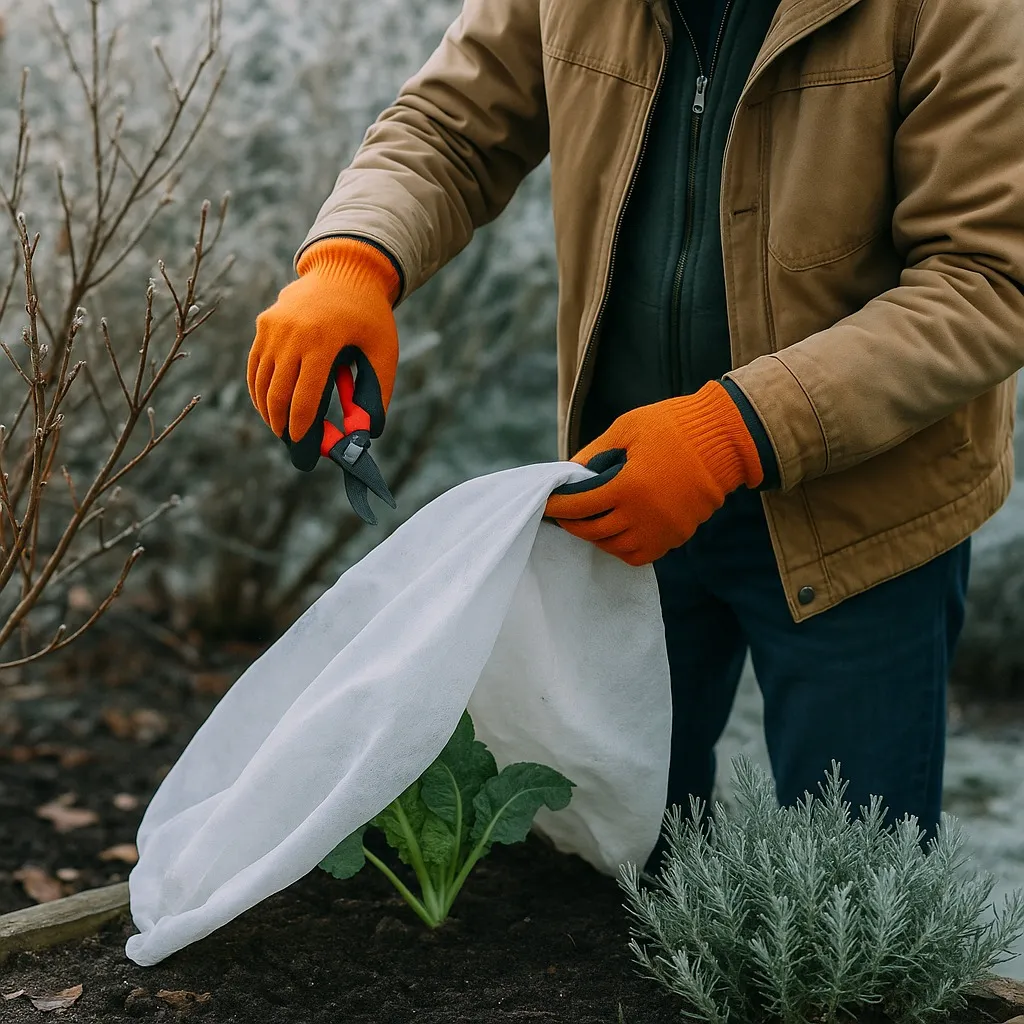
Cover tender plants (e.g., young citrus or succulents) during frost warnings. See: Frost Cover Options
Check mulch depth around plant roots — 3–4 inches keeps soil insulated.
Inspect trees after storms for broken branches.
2. Pruning & Tree Care:
Prune deciduous fruit trees while dormant (avoid pruning spring-flowering shrubs until after bloom). For tips on pruning see this article: Fruit Tree Pruning
Shape roses in late January or early February. For proper rose care, see this article: Basics of Rose Care
Apply dormant sprays (lime-sulfur or copper-based) to prevent fungal diseases. See: Treating Peach Leaf Curl
3. Plan for Spring:
Order seeds early for spring planting. Here is a useful article on reading plant labels and seed packets: Understanding Plant Labels
Start seeds indoors for early tomatoes, peppers, and annual flowers. For tips on starting seeds indoors see: Starting Seeds Indoors
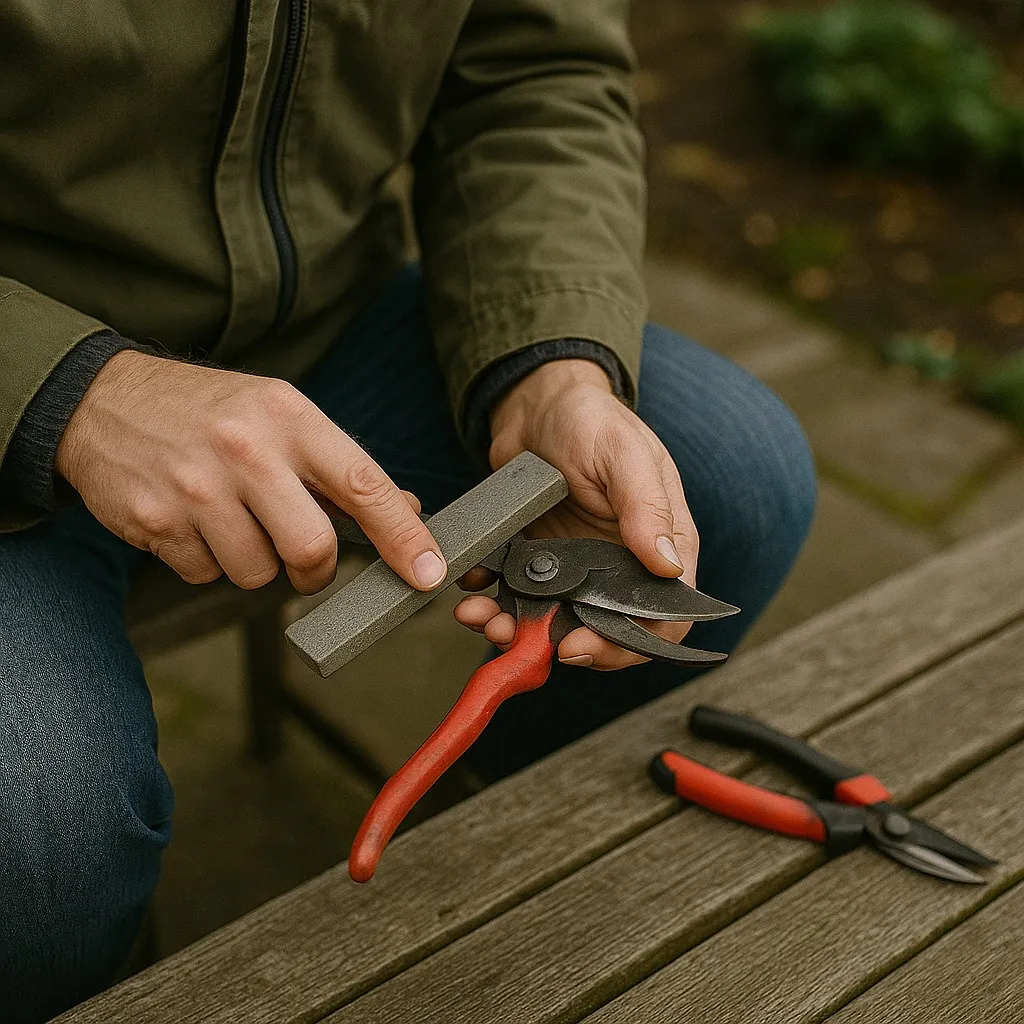
- Sharpen tools and clean pots before the busy season returns. Here is a useful article on the basics of tool care, tool sharpening and repairing garden tools: Garden Tool Maintenance
4. Weed Early:
Hand-pull winter weeds before they set seed. Moist soil makes removal easier. For tips on weeding see:
- Apply mulch or cardboard to suppress weeds naturally. Stop Waste: Sheet Mulching & Mulches for Landscaping
5. Check Your Compost:
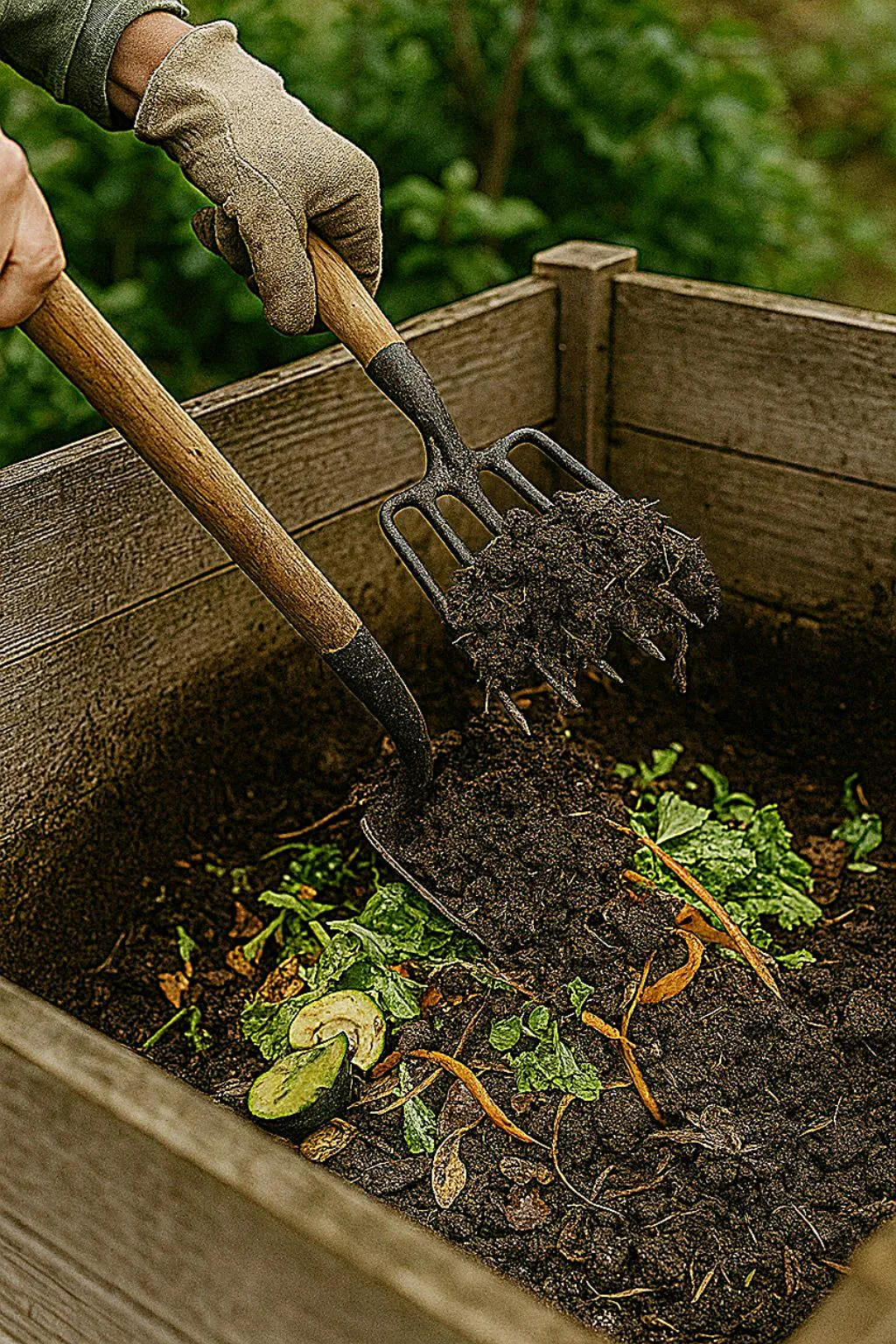
Keep your compost active by turning it every few weeks. Add “greens” (vegetable scraps) and “browns” (dry leaves) in balance. Turn compost every few weeks. For tips on composting see: Composting Basics
Bonus: What You Can Still Enjoy in Winter
Even in mid-winter, Bay Area gardens can bloom! Try these low-maintenance stars:
- Camellias and hellebores for shade
Manzanita and Ceanothus for natives
- Citrus trees for cheerful color and fragrance
Local Tips and Resources for Bay Area Gardeners
The Mediterranean climate means most rain falls between November and March. Use this natural watering window to plant and establish deep roots. Remember: in drought years, plants may need to be watered in periods of no rain.
Avoid walking on wet soil — it compacts easily, harming structure.
For University of California research-backed advice visit:
- UC Master Gardener Program of Alameda County
- UCANR California Gardening Resources
Summary
Fall and winter are the foundation of a healthy, productive Bay Area garden. While it may seem like a time of rest, these cooler months are ideal for rebuilding soil, pruning, planting natives, and preparing for the burst of growth to come in spring. With mild winters and reliable rains, your efforts now will pay off with stronger roots, fewer pests, and more resilient plants year-round. So pull on your gloves, grab your pruners, and enjoy the rhythm of the seasons — your garden’s next chapter begins right now. If you have any questions along the way, feel free to contact the Alameda County Master Gardener Help Desk, 24/7: acmg@ucanr.edu
References:
USDA Plant Hardiness Zones for Bay Area
The Basics of Composting (PDF)
Mulches for Landscapes (PDF)
Getting the Dirt on Soil Testing
Vegetable Planting Guide for Bay Area Interior Regions (PDF)
Vegetable Planting Guide for Bay Area Coastal Regions (PDF)
Some Bay Area Perennial Favorites
Planting Bulbs for Spring Blooms
Backyard Orchard: Pruning (PDF)
Peach Leaf Curl and How to Prevent It
Drip Irrigation for Home Gardens
Alameda County Master Gardeners
Integrated Pest Management - Identifying and Managing Pests
Want to learn more?
This blog post is brought to you by the Help Desk of the UC Master Gardeners of Alameda County. Subscribe to our blog!
Have a gardening question? We'll help.
Visit our Help Desk page to submit your question and see additional ways you can reach us.