By Sheila Derr.
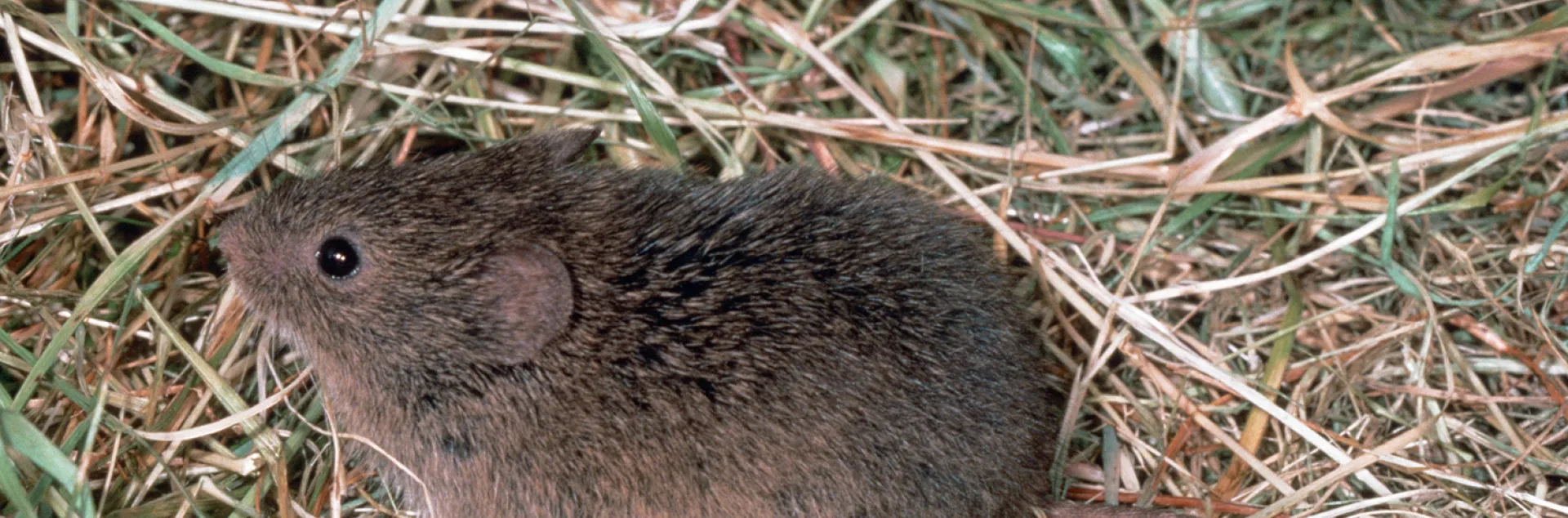
Vertebrate pests can pose a serious threat to the achievement of one’s “dream garden” by wreaking havoc on plants and vegetables literally overnight. They feed or gnaw on the roots of ornamental plants, vines, shrubs and trees, and even plastic water lines.
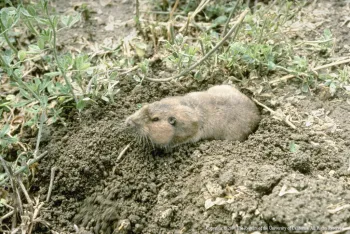
In our area, pocket gophers, moles, voles and ground squirrels can do quite a lot of damage in a short amount of time. All of these animal pests are underground dwellers, and spend much of their lives out of human sight. Usually, the first signs of their presence are their mounds or tunnels.
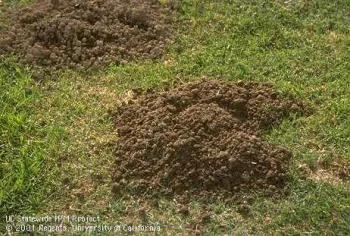
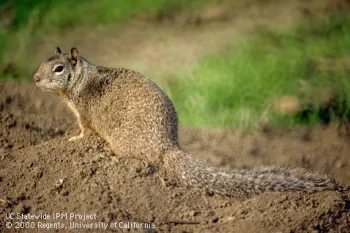
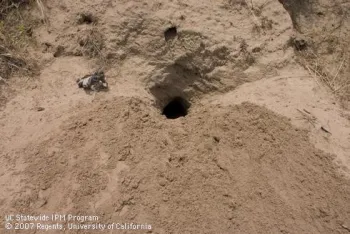
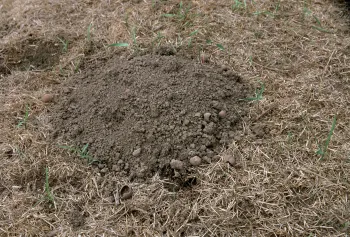
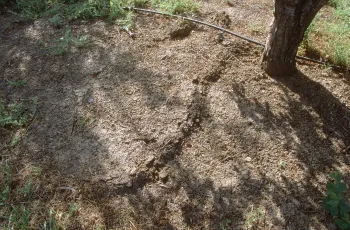
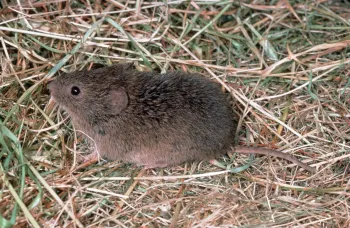
If you want to keep these pests out of your garden, it is best to know what species you are dealing with before choosing a method of eradication. Gophers typically form horseshoe-shaped mounds in which a hole is usually off to one side and plugged with dirt. Moles form a more uniform circular mound and burrow just beneath the surface, leaving a tell-tale ridge. Voles use a maze of above-ground runways connecting their burrow openings, and leave a layer of grass atop their paths. Ground squirrels can often be seen during the daytime foraging and scurrying between their burrow entrances.
Because the California Fish and Wildlife Code classifies pocket gophers, moles, voles and ground squirrels as nongame animals, you can control them in any legal manner. Check with your city or county for additional regulations.
Modifying their habitat should be your first step when you find evidence of these intruders. Cleaning up leaves, brush, and debris, and removing food sources will make the area less desirable to them. This will also help you detect new mounds and burrows.
Trapping is the most common method for eradication. There are specific traps that work for each species (for example, the Gophinator trap for gophers). It is important to read the labels before purchasing a trap to make sure you are using the one best suited for your pest problem. Check traps every couple of days and reset them when necessary.
Other methods, such as the use of flooding, vibrating probes, bait, or fumigation have very limited success over time, and can be intimidating for the home gardener to employ.
Excluding the pest is the longest-lasting and most effective method of eradication, but it takes more planning and hard work to accomplish, and can be costly to install. Underground fencing can be justified for valuable ornamental shrubs, vegetable gardens, and trees. When constructing raised beds, underlay the soil with hardware cloth or three-quarter-inch mesh poultry wire at least 2 feet deep, and with an additional 6 inches bent at a 90-degree angle away from the planting area. Wire baskets can be installed when planting to protect roots of individual plants; these can be purchased commercially or home-made.
Predators such as hawks, owls, foxes, coyotes, snakes, and neighborhood cats can also help keep down the numbers of vertebrate pests. Because natural controls should eventually limit their numbers, one alternative is to do nothing and let nature take its course.
Monitor your garden as the seasons change. Keeping debris to a minimum, watching for activity, and acting quickly to keep ahead of these destructive pests will prove to be your best defense. Keep records of what worked for you and what didn’t. These methods used separately or in combination can make a real difference.
For more information about the specific small animal pests plaguing your yard, visit the relevant University of California Integrated Pest Management website: moles, ground squirrels, pocket gophers and voles.
And for in-person guidance on controlling vertebrate pests attend our October 28 workshop on Gophers, Moles, and Squirrels. For full descriptions of this and all the other upcoming workshops in our Fall Workshop Series, and to register, visit our website. All workshops are free, but registration is required.
UC Master Gardeners of Butte County are part of the University of California Cooperative Extension (UCCE) system. To learn more about us and our upcoming events, and for help with gardening in our area visit our website. If you have a gardening question or problem, email the Hotline at mgbutte@ucanr.edu or leave a phone message on our Hotline at 530-552-5812. To speak to a Master Gardener about a gardening issue, or to drop by the MG office during Hotline hours, see the most current information on our Ask Us section of our website.