
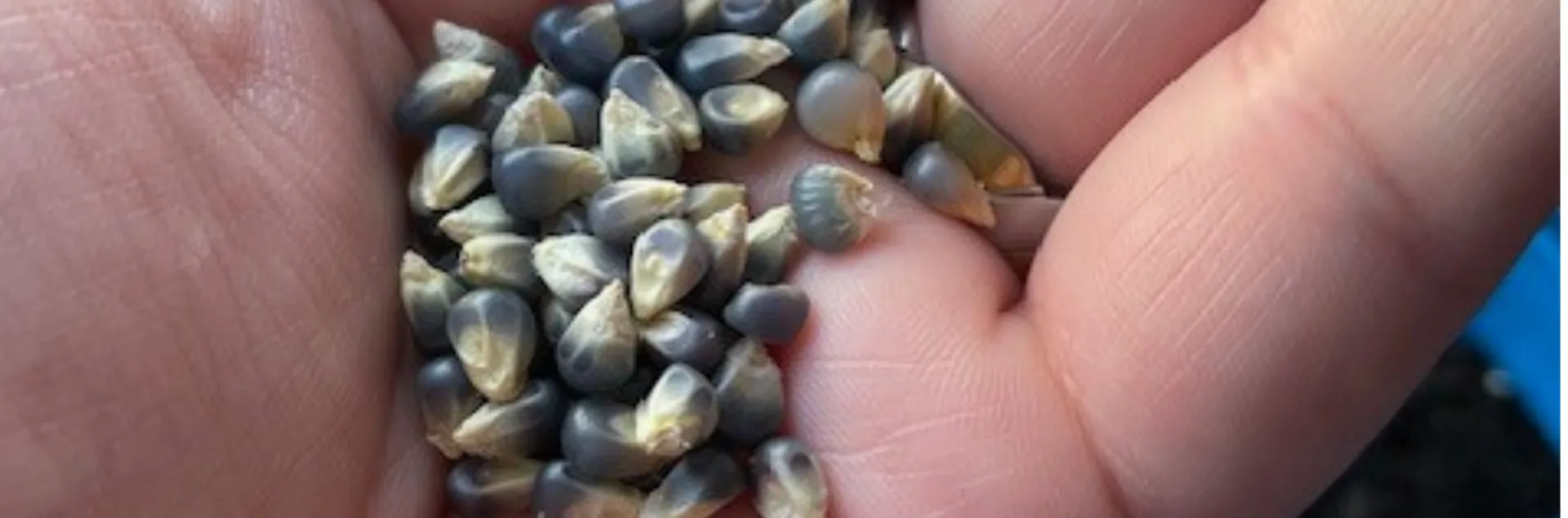
Blog by Vincent Hughes
Hello there, friends and readers! Can any of you believe that we are already in February? It feels as if the new year has barely begun, and yet already we’re past Groundhog Day! And if you didn’t know, that means that it’s time to start planting the seeds you plan to start indoors!
If you are planning to start any plants by seed this coming growing season, it is recommended that you start them indoors between six and eight weeks prior to the last spring frost so that they are protected from the elements before going into your garden bed. But when is the last spring frost? The last spring frost can vary from USDA hardiness zone to zone. However, we know that on average, the last spring frost typically occurs between the following dates for each of the following zones:
USDA Zones 5-7: April 1st to May 15th
USDA Zone 8: March 30th to April 7th
USDA Zone 9: March 1st to March 15th
This means that if you haven’t already started the seeds that you plan to start, you’ll want to do so as soon as possible!
Now, some of you may be reading this and asking yourself what would be needed if you wanted to start seeds indoors, as you haven’t done so before. I’m happy to share with you that seed starting is a very easy process that requires very little to be successful. To begin with, you’ll need a container to plant into. This can be plastic or silicon seed cells, a plastic or ceramic pot, or anything that you may have on hand that has good drainage. However, it is incredibly important that any container you use is cleaned thoroughly before being used, to prevent any potential plant diseases, bacteria, or pests from coming into contact with your seeds. Once you have a cleaned container, you’re going to want to utilize a sterile seed-starting mix to begin planting into. You do not want to use garden soil from your yard, as it can potentially expose your seeds to disease, pests, and bacteria. And of course, you’ll need the seeds that you want to start!
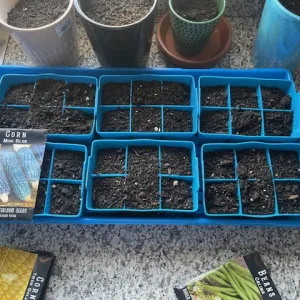
After you clean and fill your container and plant your seeds in your planting medium, your next concern will be the conditions under which to keep your seeds. To begin with, the first concern you’re likely to have is how much water your new seeds will need. While you want to keep the soil moist, you don’t want the soil to become soaking wet, as too much water can lead to mold or fungal growth. A good practice with newly started seeds is to utilize a spray bottle for watering in order to help prevent overwatering your seeds. And to further help with your seed germination, you’ll want to keep them in an area that stays between 70-85°F. This will ensure the best results for your seeds' germination. But once your watering and temperature conditions are addressed, you’ll also need to make sure that your seeds have access to light. Once your seeds germinate and begin to sprout from your planting medium, they’ll need plenty of light to grow. The more light they can receive, the better. A typical recommendation for newly planted seeds is 14 to 16 hours, typically under a grow light. Being placed in a south-facing window may also aid in providing the light that your seeds will need.
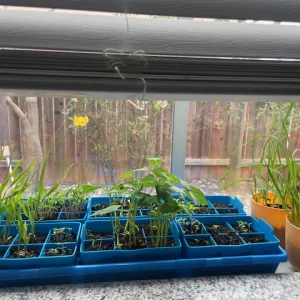
While this may sound like a lot to take in, seed starting is a fairly simple process overall. When I started the seeds that would make their way into my garden last year, I started them in silicon seed cells that I had acquired just for seed starting. As a planting medium, I utilized a nutrient-rich potting mix to plant in, following the directions on each seed pack for how deeply the seeds needed to be planted. And after planting, I placed the seed cells in my east-facing kitchen window, where they stayed until being transplanted into my garden. This allowed my seeds to maintain a consistent temperature, humidity, and light cycle before going outside and rewarded me with the pleasant view of rapidly growing seedlings.
Every year, many people will start their seasonal garden by going to a local nursery or big box store to purchase starter plants, and there is nothing wrong with doing so! But if you find yourself thinking that you’d like to try the adventure of starting your garden, or what plants you can for it, from seed to watch them germinate and grow, then now is the time! It is a true joy and reward to watch the tiny seeds that you start now slowly grow and mature into full-sized plants that blossom into specimens of true floral beauty or even your own delicious produce. Raising plants from seed is something that truly anyone can do if they set their minds to it and cultivate their seeds with care. So this season, I challenge you to try starting seeds of your own and to experience the thrill of watching them grow!
And as always, good luck, and happy growing!