
Biochar application will be a new conservation practice for the next Healthy Soils Program. A training on biochar called, "Growing with Biochar," was offered to teach technical assistance providers (And the Climate Smart Agriculture Program Community Education Specialists) on all things biochar, and was a collaborative effort between US Biochar Initiative, the Office of Agricultural Resilience and Sustainability (CDFA), and American Farmland Trust. This full-day event included presentations on Biochar 101, Biochar Handling Best Practices, Integrating Biochar into Regenerative Agricultural Practices, and and industry panel to answer any and all questions. Here are some takeaways from the biochar training:
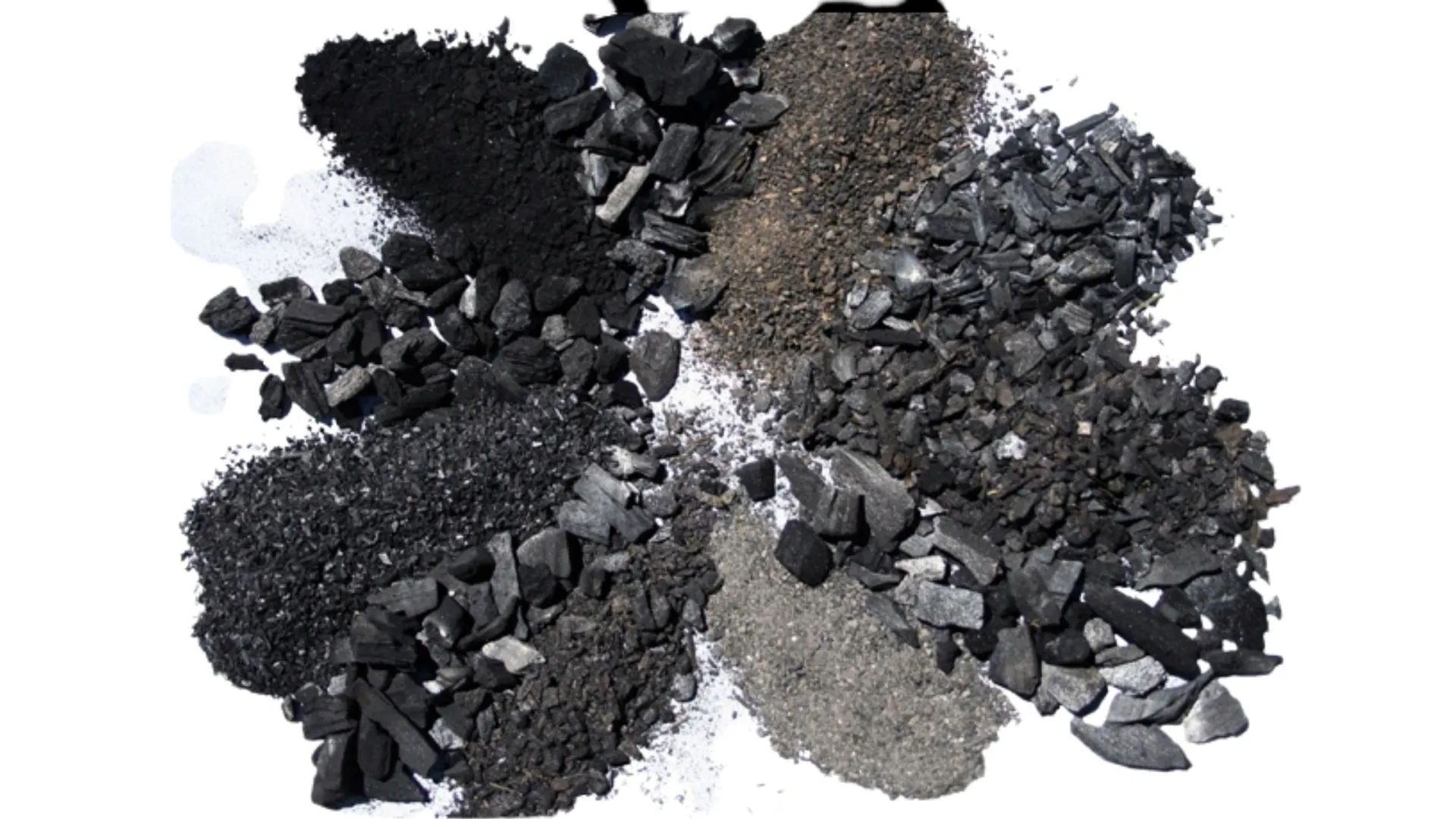
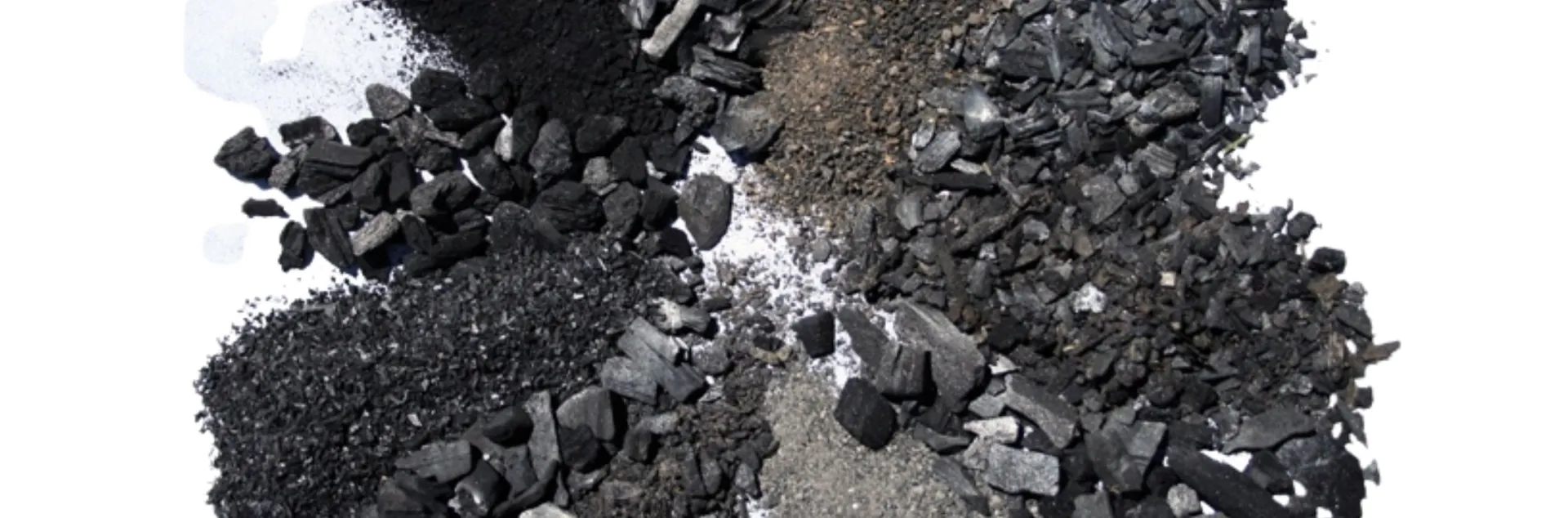
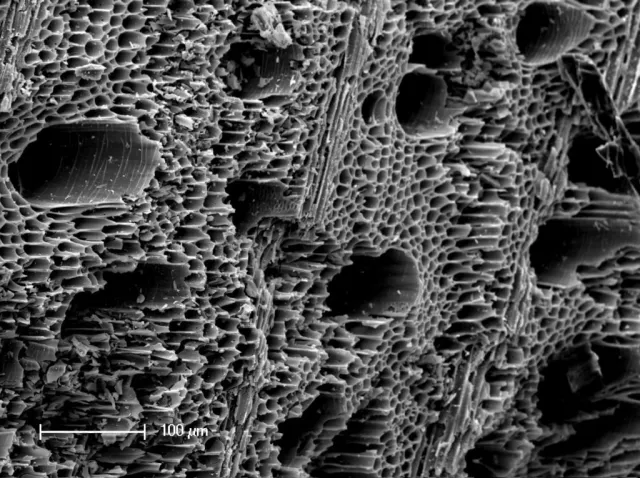
- Biochar basics are important to understand to determine if this is the right soil amendment for you. The feedstock that is used during the combustion process to make biochar, and how the combustion process is carried out, determines the properties the final biochar product will have. Biochar is highly porous and can aid in water holding capacity, and depending on the feedstock, can also increase crop yield, increase plant growth, and increase soil carbon. Learn more about Biochar 101 HERE.
- The 4R's of Biochar (Right Place, Time, Source and Rate) matter. Making decisions that will inform your biochar project might be daunting, but there is a resource that can be used called the Biochar Atlas. This tool, through a three step process, helps growers and technical assistance providers make decisions surrounding biochar application and can be found HERE.
- Proper protocol needs to be followed when working with biochar. It is very lightweight, and fine dust particles can cause health issues. Additionally, biochar can spontaneously combust, so storage and handling is important. Additional information on best handling practices can be found HERE.
- Biochar can be integrated into regenerative farming operations, and a key foundational aspect of this is building and maintaining healthy soil. Many factors can influence soil health, one being organic matter. Biochar is another tool that can be used to reach the goals of regenerative agriculture, and more details can be found HERE.
In certain scenarios, biochar can be impactful and beneficial. To prepare for the next Healthy Soils Program application window, these resources can help determine if biochar application will be appropriate for you. For more information on the Healthy Soils Program, contact Michael Jaquez, Community Education Specialist, serving San Diego County.
EXTERNAL IMAGE