
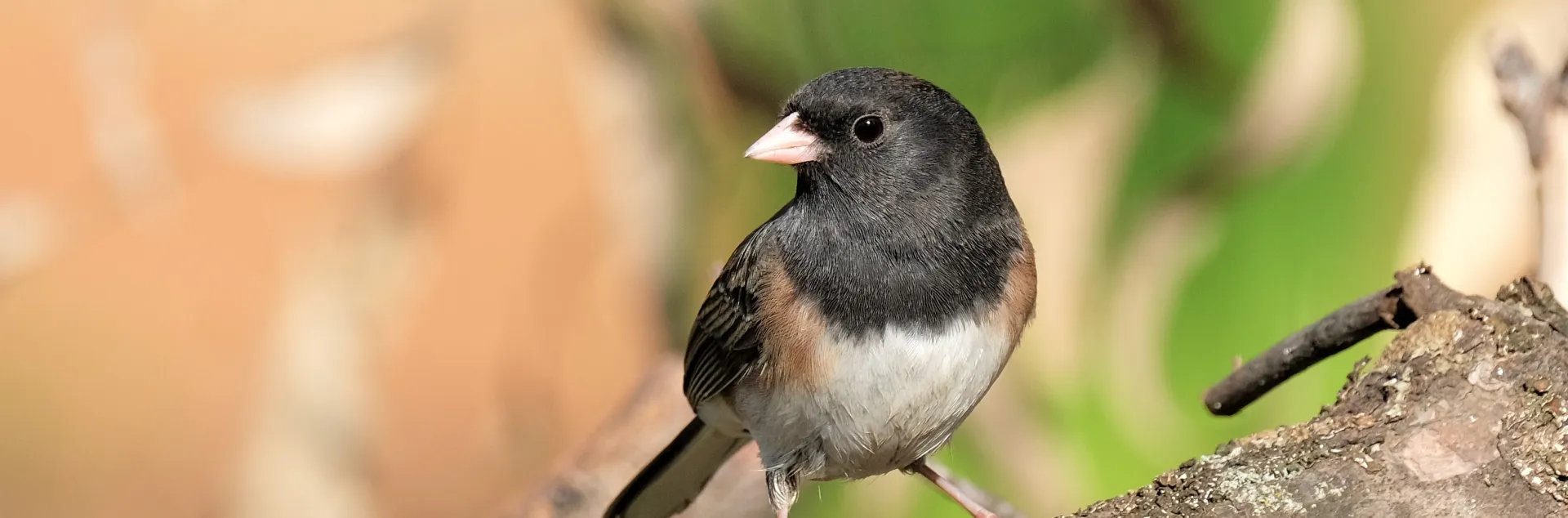
By Laura Lukes.
If we want to instill in our children a love of nature and raise a generation that will want to protect and preserve natural places, we need to get them hooked on birds. This is the wisdom behind many of the programs at Altacal Audubon, our local chapter of the non-profit Audubon Society. Altacal was formed in the winter of 1955/1956 and incorporated in 1973 to serve Butte, Glenn, and Tehama Counties.
Why birds? They are the most accessible and visible of all the wild animals. Birds are found in all places on this earth except for portions of Antarctica. They call everywhere home: urban, suburban, and wilderness areas. We can view them in our backyard gardens and neighborhoods, in our parks and open spaces, and in refuges designed to provide and protect habitat. They fly! They are the only creatures with feathers. And as direct descendants of dinosaurs, they represent an ancient and unknowable past.
We live in an area that is rich in bird habitat and home to an enormous variety of both migrating and resident bird species. For example, fourteen different species of raptors (birds of prey, including eagles, hawks, owls, and falcons) live or overwinter here. Our flooded rice fields and remaining wetlands are a part of the Pacific Flyway – the great winter migration corridor used by waterfowl as a rest stop as they journey to their breeding grounds.
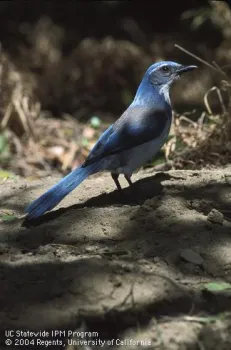
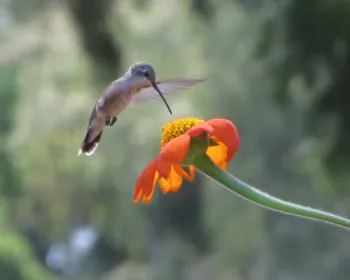
How do you begin introducing your family to the wonderful world of birds? Start by looking out your windows! Encourage gardening, enjoy being in the garden, and plant some natives that naturally attract local birds. No matter where you live, there is bound to be at least one species of bird. Typical and highly visible backyard birds include robins, scrub jays, the dramatically colored acorn woodpecker, mockingbirds, gnatcatchers, quail, and red-shouldered hawks. Adding bird feeders, including hummingbird feeders, is a surefire way to draw more birds into your environment (be sure the feeder has a perch so you have a chance to identify the birds that briefly rest there). It is essential that you keep feeders clean. And be warned that attracting and feeding birds can be habit forming.
Exemplary bird habitat exists just beyond your backyard: head out to Upper or Lower Bidwell Park, the Llano Seco viewing platforms, Indian Fishery (a part of Bidwell-Sacramento River State Park), Mendocino National Forest Genetic Resource Center, Durham Community Park, Gray Lodge, Black Butte Lake, or the Sacramento River and Colusa National Wildlife Refuges any time of year to enjoy birdwatching and just being out in nature.
Need help identifying birds? Binoculars add a whole new dimension to birdwatching. Feathers, beaks, and nuances of coloration come into sharper focus. All levels of binoculars are available, and if you train kids early, using them can become second nature. Altacal’s office at 635 Flume Street in Chico has a number of resources, including the Butte County Bird Checklist, and Audubon books which help in identifying birds primarily by color. In this digital age, plenty of bird identification apps are available for smart phones: Merlin, eBird, and iNaturalist are free; Sibley and iBird Pro are among the many others.
Altacal is here to help in other ways, too. They offer field trips each month and beginning birders are always welcome (let them know you are new to the world of birds and they will walk you through the basics). You never know when a quick moment of birding can grab a kid and instill in them a love of nature and its inhabitants, and a desire to protect them.
Altacal’s immensely successful Snow Goose Festival has been running for 22 years. Jennifer Patten, who is currently Altacal’s Refuge Liaison, created and designed the Snow Goose Festival specifically to educate people about the magic of living on the Pacific Flyway. It is held the last weekend in January, and through this enormously popular event Altacal reaches up to 500 children each year with lots of interactive, kid-friendly activities, tactile exhibits, and live animal demonstrations. Altacal staff and volunteers bring games and exhibits (like build-a-bird!) designed to grab attention and capture imagination to local nature festivals too, such as the Wildflower and Nature Festival held along the Feather River in Oroville; the Endangered Earth Event; and the annual Salmon Festival.
Habitat protection and preservation, and the stewardship of your own home garden are beneficial, even crucial, for the well-being of species, including our own. The catalyst that creates nature lovers and protectors is different for each of us. For you and your family, that catalyst could be one of Altacal’s many programs or events: check out their Altacal website to get started today.
This article is based on an interview conducted a few years ago with Altacal’s Executive Director Mary Muchowsi and Jennifer Patten. In that conversation, Patten said, “If you care about one thing, you are generally going to care about all related things,” to which Muchowski added, “Bugs, birds, animals, herps (amphibians and reptiles); it’s how they all work together.” Observing these interactions in your home garden and understanding them is a great way to begin.
Interested in things with wings? How about BATS? They are the subject of the last workshop of the Master Gardener’s 2026 Spring Workshop Series -- today, Friday, May 22nd. For more information, and to register, visit our workshop webpage. All Workshops are free, but registration is required.
UC Master Gardeners of Butte County are part of the University of California Cooperative Extension (UCCE) system. To learn more about us and our upcoming events, and for help with gardening in our area visit the UC Master Gardener website. If you have a gardening question or problem, email the Hotline at mgbutte@ucanr.edu or leave a phone message on our Hotline at 530-552-5812. To speak to a Master Gardener about a gardening issue, or to drop by the MG office during Hotline hours, see the most current information on our Ask Us section of our website.