
California is famous for its scenic wilderness and biological diversity. Unfortunately, our state’s unique ecosystems are in danger, and invasive species are among the biggest threats to our environment. Invasive species can cause all kinds of environmental damage, such as harming wildlife, disrupting our water supply, and increasing the likelihood of natural disasters like fires and floods.
The environmental impacts of invasive species affect all Californians, and public awareness is key to protecting our natural resources. Learning more about these problems can help us find ways to solve them.
Echoing Impacts
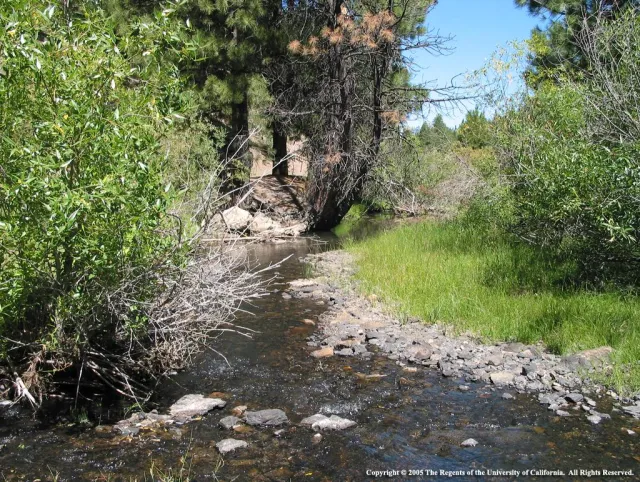
Invasive species impact the environment both directly and indirectly. Because the plants, animals, and habitats that make up an ecosystem are so interconnected, one problem can lead to additional, rippling effects over time.
As an example, let’s look at the impacts of yellow starthistle.
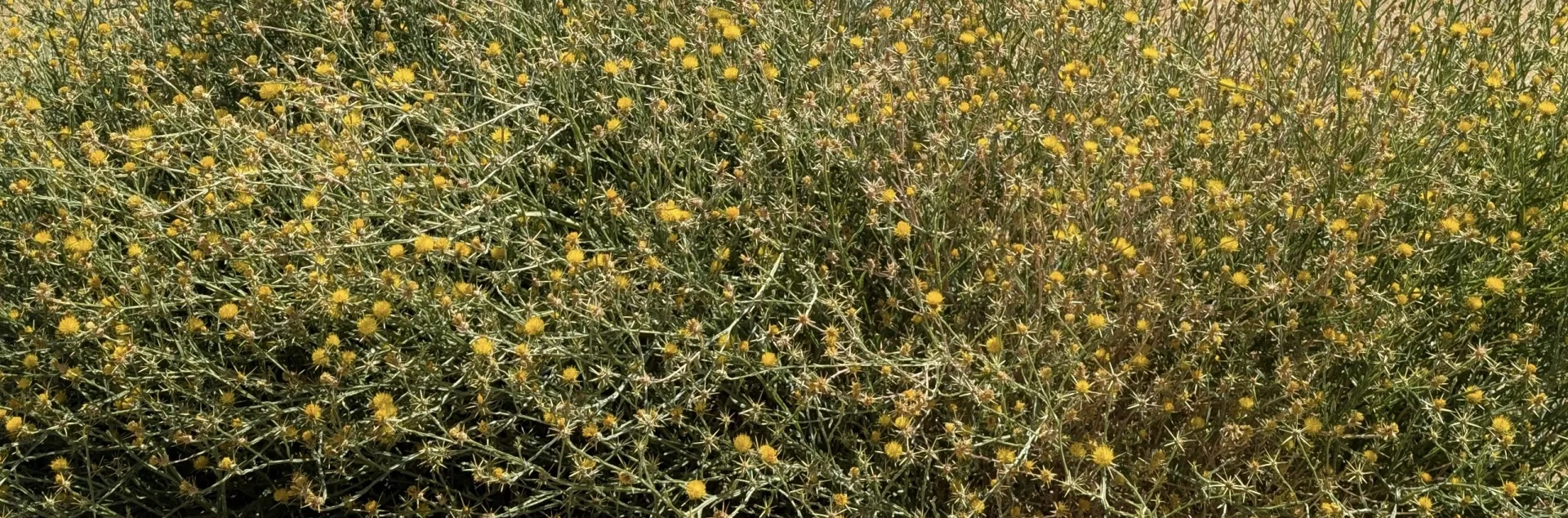
Yellow starthistle (YST) is an invasive plant that has infested millions of acres across California. It was introduced over a century ago (most likely in contaminated alfalfa seed) and has since become the most common invasive weed in the state.
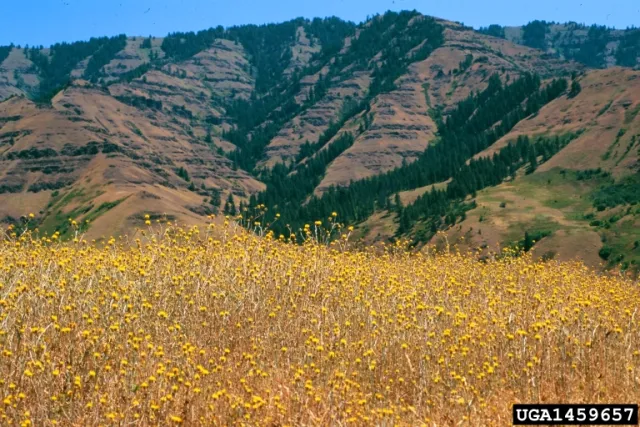
When YST moves in, biodiversity plummets. It grows in dense, spiny stands that crowd out native plants and physically block wildlife movement. This affects animals that depend on native plants for food and shelter. Although YST flowers provide nectar and pollen to pollinators, they mainly attract non-native honey bees. When native wildflowers are displaced by YST, the abundance and diversity of native pollinators decline.
YST also changes the physical environment on a large scale. Its long taproot depletes soil moisture so quickly that even in years with normal rainfall, native plants in infested areas can experience drought-like conditions. The more YST there is, the less water is available for wildlife and people. In addition to being a water hog, YST becomes highly flammable when it dries out at the end of summer and increases wildfire risk.
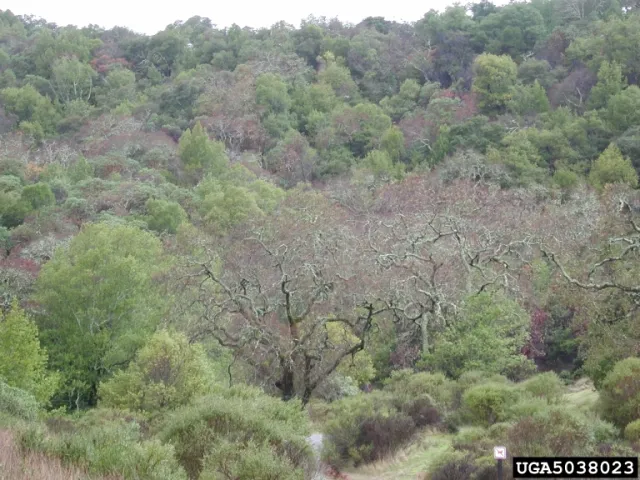
YST is just one example. Other invasive pests, including sudden oak death, invasive shothole borers, nutria and golden mussels, are also causing serious environmental problems across California. Thankfully, there are many things you can do to help.
Protect the Places You Love
Human activity is the main way these pests spread, which means we also have the power to slow them down.
Recreate Responsibly
Before you head into the great outdoors, make sure you aren’t bringing along any uninvited guests.
Invasive plants and pathogens can hitch a ride on our shoes, clothes, and gear. After hiking, clean off any dirt and seeds. For more information, visit PlayCleanGo.
Firewood can harbor invasive wood-boring beetles and other forest pests. To prevent them from spreading, buy firewood where you plan to burn it. Learn more on the Don’t Move Firewood campaign website.
If you enjoy boating or water recreation, clean, drain, and dry your equipment before and after each trip to avoid transporting invasive mussels or aquatic plants.
Get Involved
Look for opportunities to help prevent and manage invasive species in your community.
Volunteer with local environmental organizations that remove invasive plants and restore native habitats.
Join community science efforts to detect invasive pests, such as the goldspotted oak borer bioblitz. Note: this event has passed but stay tuned for future events!
Use online tools like iNaturalist and CalFlora to help you identify invasive species.
Report invasive species you encounter in natural areas. To learn more, visit the California Department of Fish and Wildlife’s Invasive Species Program website and the California Department of Food and Agriculture’s invasive species webpage.
Keep Learning
The more we learn about invasive species, the better equipped we are to prevent their spread and address their impacts.
Watch a recording of UC IPM’s invasive species webinars on Youtube.
Visit the UC IPM Invasive & Exotic Pests pages for information about specific invasive pests.
To learn more about the environmental impacts of invasive plants, visit the California Invasive Plant Council’s website.
Learn from local organizations that have partnered with UC Environmental Stewards to deliver Master Naturalist or Climate Stewards courses. The UC Environmental Stewards website can guide you to these partner organizations.
Reach out to your local UC Master Gardener Program for information about invasive plants and insects in your area. To find your local program, visit the UC Master Gardener website and search for your county.
Finally, one of the most powerful things you can do is spread the word. Share what you know about invasive species with your community. When we work together to protect our environment, we can make a big difference!