
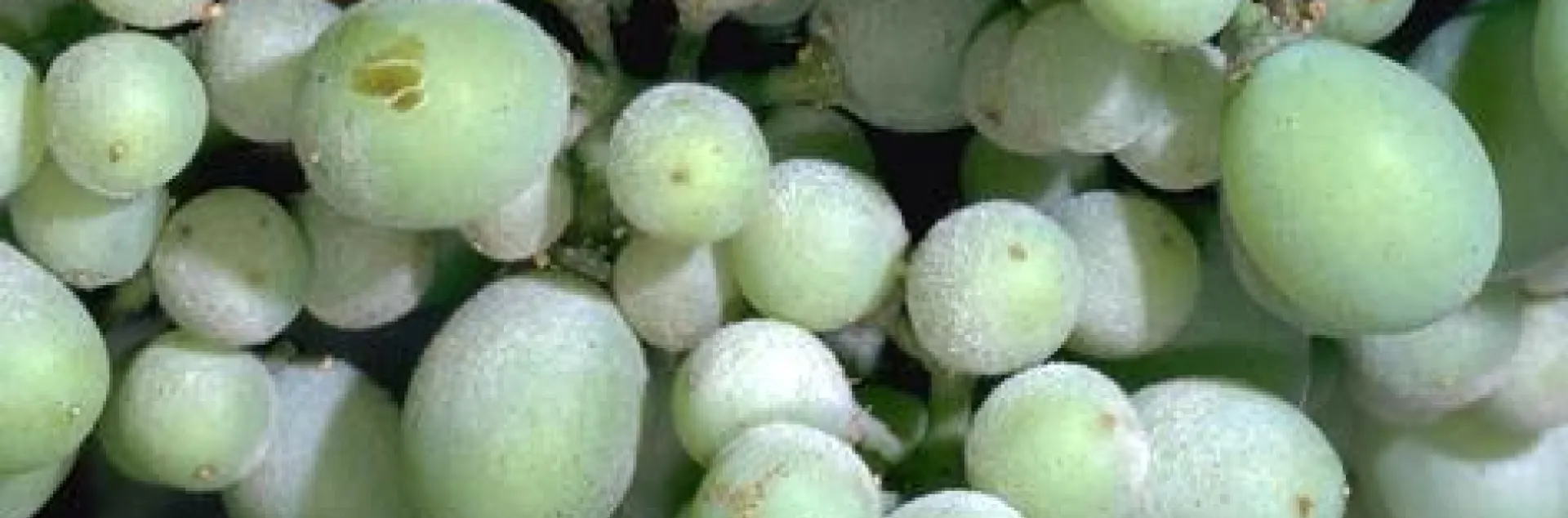
Fungal diseases plague many different kinds of plants and their gardeners. Fungal diseases tend to be persistent and can be difficult to manage.
Powdery mildew is one such disease. It includes multiple fungal species and affects many different types of plants. Powdery mildew is prevalent in California because these fungi can establish and grow without free water, and thrive in warm temperatures. The most common symptom is white powdery growth on leaves, but symptoms can differ depending on the plant.
Vegetables
Vegetables affected by powdery mildew include artichoke, beans, beets, carrot, cucumber, eggplant, lettuce, melons, peas, peppers, pumpkins, radicchio, radishes, squash, tomatoes and others.
Identification
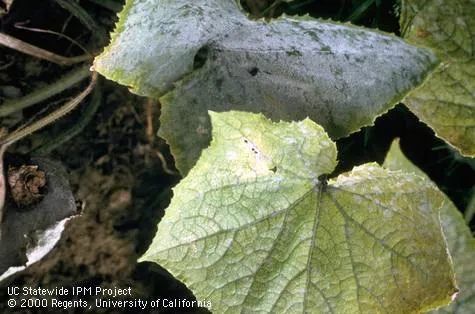
Recognizing powdery mildew early is critical to successful management - white powdery spots are the initial sign in most but not all vegetables.
- White, powdery spots: These appear on leaves, shoots, and occasionally flowers or fruit. These spots spread rapidly over the stems and leaves if not promptly managed. This is the initial symptom on cucumbers, peas and squash, all of which are susceptible to the fungi, unless you are using a resistant variety.
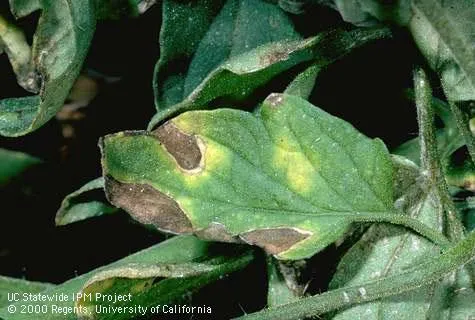
- Yellow patches on leaves: Peppers, onions and tomatoes are attacked by a powdery mildew species that causes yellow patches on leaves but little powdery growth.
- Leaf Distortion: Powdery mildew may cause leaves to twist, buckle, or turn yellow and drop prematurely. Loss of leaves may cause sunburn on the vegetables.
- Severe infections: These can lead to reduced yields, shorter production seasons, and fruit with poor flavor.
Gardening practices
Powdery mildew can be difficult to eradicate, particularly once well-established. But there are gardening practices that can prevent and manage it.
Sunlight and Airflow:
Powdery mildew thrives in moderate temperatures (60° to 80°F) and shade. Spores and fungal growth are adversely affected by temperatures above 90°F and direct sunlight. To take advantage of this:
- Plant in areas that receive full sun.
- Space plants properly to allow for adequate air circulation.
Resistant Varieties:
Varieties that resist the powdery mildew fungi have been developed for many susceptible vegetables. Before planting, look for resistant varieties of melons, cole crops (broccoli, cauliflower and similar), cucumbers, peas and squash (including pumpkin). Using resistant varieties lessens the amount of other control measures required. Look on your seed packet or plant stake to see if the variety is resistant.
Limiting Nitrogen Fertilizer
Applying nitrogen fertilizer in excess promotes succulent new growth which is very susceptible to powdery mildew. Consider slow-release fertilizer to mitigate this.
Sprinkling
Overhead sprinkling can reduce powdering mildew by washing spores off plants. This can cause its own problems, though, because excess moisture on leaves can contribute to other plant problems. If you do try sprinkling, try to do so mid-morning on a warm, sunny day so the leaves can dry promptly.
Fungicides
Especially for particularly susceptible plants, the practices listed above may not be sufficient to keep the fungus under control and you may want to use a fungicide (a chemical that destroys fungi). These fungicides are classified as protectants (preventing new infections) or eradicants (killing existing infections). Acting at the first sign of disease (or even before the disease shows) is necessary for good control. The fungicides discussed below are classified as less-toxic methods, meaning safer for people and pets.
Oils
Plant based oils such neem oil or jojoba oil or a petroleum based horticultural oil are effective for mild to moderate infections caught early. Oils also provide some protection against new spores. These oils are readily available at nurseries, plant centers and online. Important cautions:
- Never apply oils when temperatures exceed 90°F or to drought-stressed plants.
- Do not apply oil within two weeks after a sulfur application, as this can severely damage the plant.
Sulfur
Sulfur has been used to treat powdery mildew for centuries. It is a protectant and to be effective must be applied before symptoms appear. This is helpful for recurring issues, when you have seen powdery mildew on the same plant in your garden in prior seasons.
Sulfur is available for home gardeners in two main forms: wettable and powder. As the name implies, wettable sulfur is mixed with water according to the package directions and sprayed on the plant. Wettable sulfurs with surfactants to help the sulfur cling to the plant are easiest for home gardeners to use. Sulfur powders (such as sulfur dust) are much more difficult to use, irritate skin and eyes, and are limited in the types of plants on which they should be used. Important cautions:
- Sulfur can damage certain melon and squash varieties. Always check the product labels.
- Like oils, sulfur should not be used in temperatures over 90°F and should not be applied within two weeks after an oil spray.
Biological Fungicides:
Products containing Bacillus subtilis also destroy powdery mildew when sprayed on plants, but have not been proven to be as effective as horticultural oils or sulfur.
How to Use
- Always read and follow the directions on the product labels.
- Protectants only work on contact, so applications need to cover all parts of the plant that could be infected.
- As the plant grows, it will produce new growth. If the conditions are right for powdery mildew growth, additional applications may be needed.
Other Plants
Powdery mildew also affects other plants, including fruits and ornamentals.
Fruit
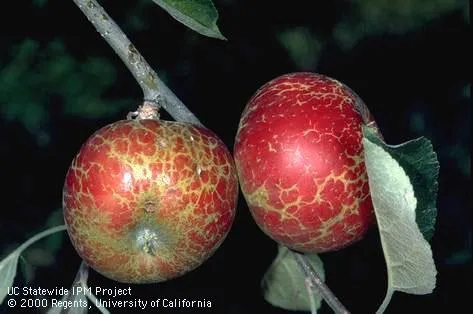
Affected fruits include apple, raspberry, strawberry, grapes, and stone fruits (peaches, nectarine, apricot, cherry). Grapes are particularly susceptible to powdery mildew.
Identification
On most fruits, the first identification sign is a white to gray spotting on both sides of the leaves, on shoots and sometimes on flowers and fruit. On strawberries, leaf edges curl up then later get dry browning patches. In apples, grapes, stone fruits and strawberries, the fruit can also be affected.
Management
Management measures are similar to those for vegetables, with these differences:
- Choosing resistant varieties is particularly important, because fruit trees and bushes are perennials and will likely be in your garden for many years. Resistant varieties are available for apple and raspberry. In other fruits some varieties are more susceptible than others. It’s important to research this trait when purchasing new plants.
- Pruning woody plants assists in treatment: pruning out infections either during the dormant season (for apples, grapes and previously infected stone fruits) and pruning infected new growth (identified by deformed leaves and white powdery spots).
- Overhead sprinkling to remove spores should be of long duration, so that the sprinkling does not just wash the spores down to lower leaves.
Ornamentals
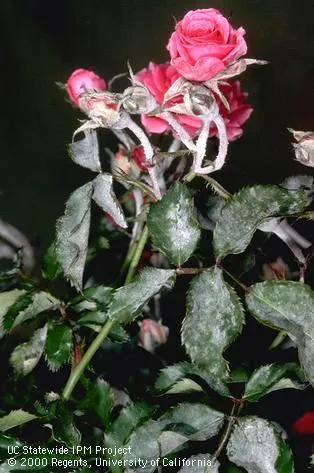
- Some ornamental trees and perennials are also susceptible to powdery mildew, including aster, crape myrtle, dahlias, London plane tree, rose, sweet peas, zinnias, several California natives and others.
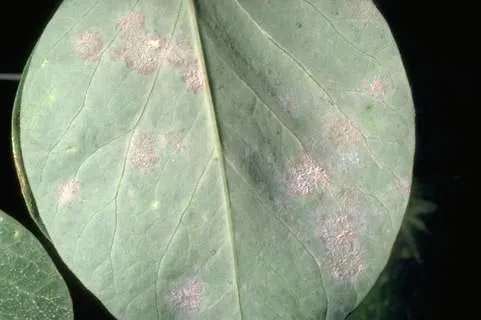
- Initial ID is generally by the white powdery growth on leaf surfaces and other plant parts.
- Resistant varieties are available for some plants, including crape myrtle, London plane tree and roses. Check the plant label.
- Management follows the information provided above for fruits.
Powdery Mildew can be a very frustrating problem for gardeners, and hard to control unless managed early. For the best results, monitor your garden daily. If you’ve experienced problems in particular areas or on particular plants, apply protectants to susceptible plants early in the season and switch to eradicant oils at the first sign of white spots. Always provide thorough coverage of all plant surfaces, as these treatments only work on contact.
Resources
UC IPM - Powdery Mildew on Vegetables
UC IPM - Powdery Mildew on Fruits and Berries
UC IPM - Powdery Mildew on Ornamentals
Want to learn more?
This blog post is brought to you by the Help Desk of the UC Master Gardeners of Alameda County. Subscribe to our blog!