
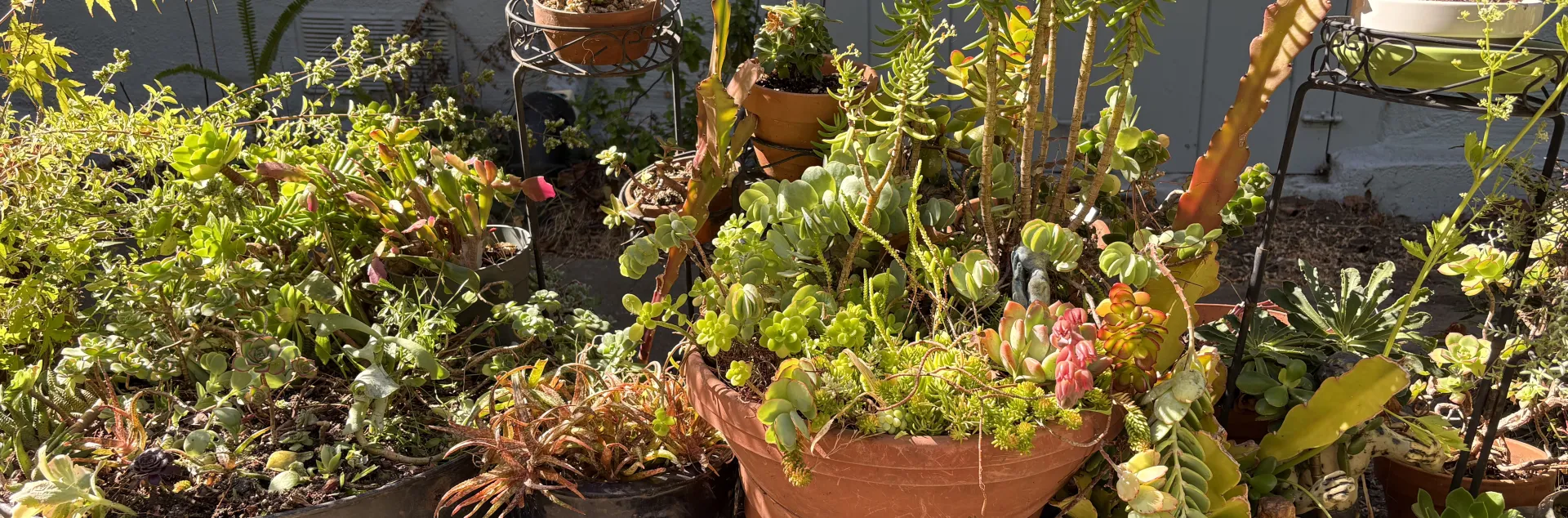
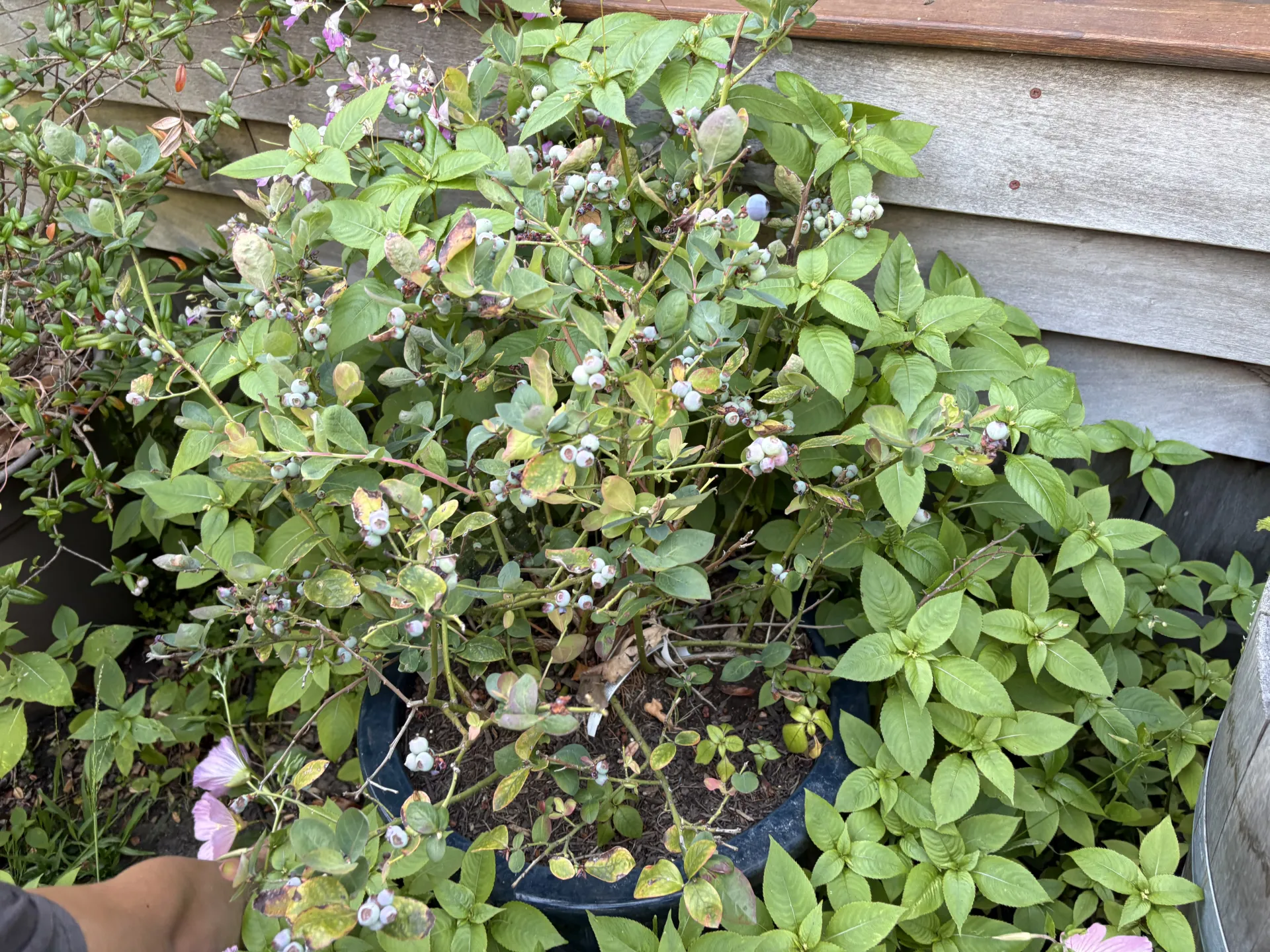
Container gardens are a way of having a garden when space or growing conditions are limited. Containers allow us to have plants indoors or outdoors in areas where in-ground planting is not practical. Plants usually would rather be in the ground with access to more soil and water. It is up to us as gardeners to provide appropriate soil, water and nutrients for container plants in their relatively small underground environment. Plants may need a soil that isn’t like our native soils. Containers allow us to easily provide a different type of soil, such as acidic (low PH) soil for acid-loving plants like blueberries or extremely fast-draining and aerated soil for cacti/succulents.
A Lesson Hard-Learned
Observation and Soil Moisture
Though this blog will go over many how-tos of container gardening, the most important lesson I have learned is that nothing replaces close observation of your plants and actually feeling the soil moisture in your containers regularly. Watering errors are responsible for many of the woes of container gardening. I have watered with what I thought was enough water, only to find out later when my plant was wilted and dropping leaves that I had watered only the top half-inch of soil. Feeling the soil 2-3 inches down for moisture could have avoided the problem. Using a moisture meter would be a good alternative to my preference for digging in the dirt. Container plants are much more susceptible to the effects of too little or too much water since they have relatively small reserves of soil to balance moisture and nutrient issues. Check the soil moisture and your plants frequently.
Potting Soil, Compost and Mulch
Potting Soil, Not Garden Soil
Container plants need potting soil, not garden soil. Potting soil provides air and permeability so that water can go through and drain while still providing moisture. Garden soil is generally too heavy, too likely to compact to permit proper root growth. You may purchase soil mixes for containers, or you may make your own mix.
Special Plant Needs
Some plants may need a potting soil with a certain drainage ability, such as succulents and cacti. Others, such as blueberries, may need a more acidic potting mix. Find out about your plant’s needs before planting.
Compost and Mulch
Like most soils, added compost is good for soil health and maintaining even moisture. Compost should make up no more than 1/3 of a potting mix. Mulch is good if your container is large enough to have mulch on top without the mulch resting against the trunk of the plant. Mulch also helps with reducing moisture loss.
No rocks or gravel for drainage
No rocks or gravel are needed at the bottom of the container. They do not help with drainage. In fact, the additional material makes the drainage worse.
Type and Size of Containers
Size of Container
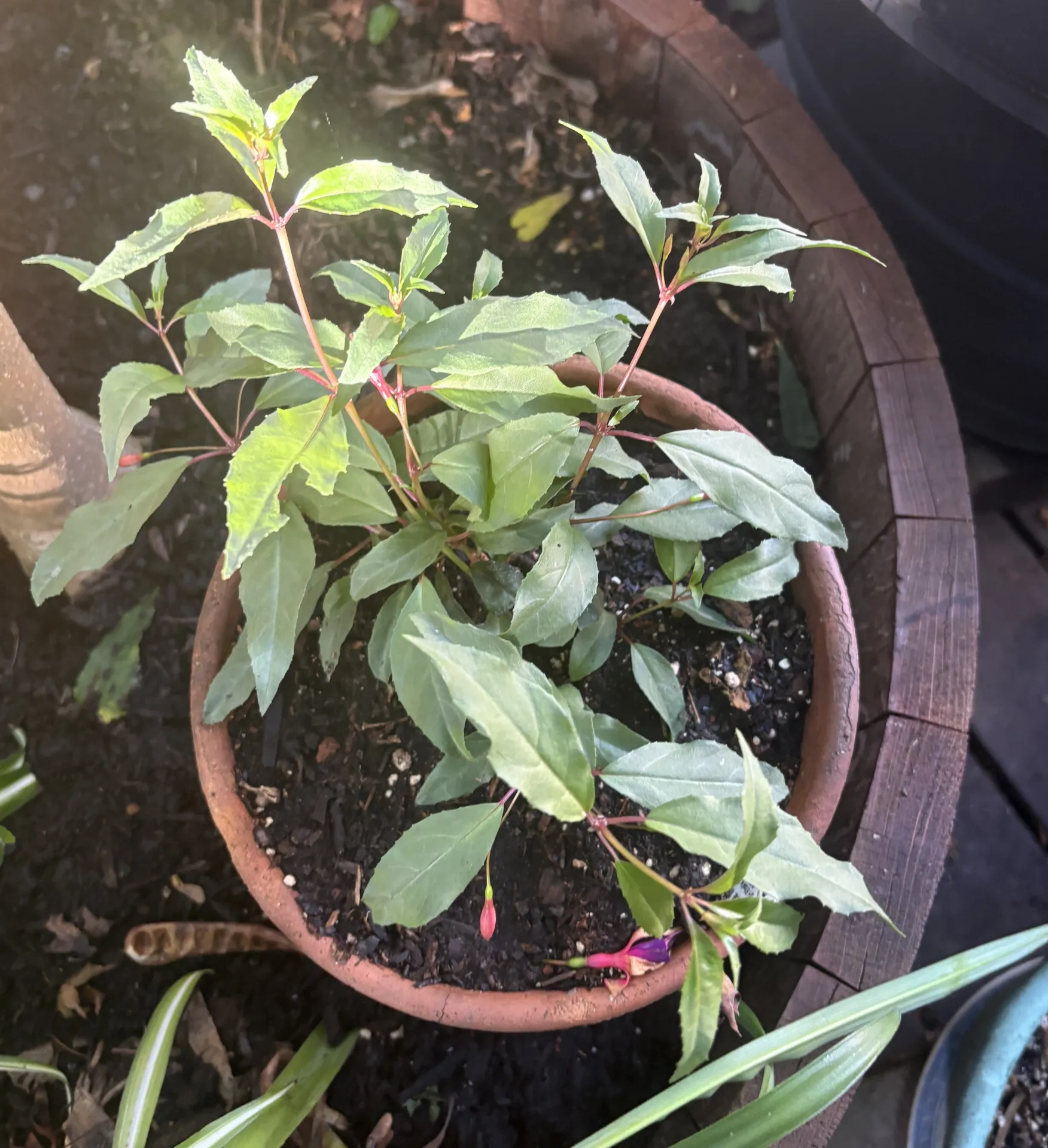
Size of container is determined by the size of the plant, particularly the size of the root ball. Allow some space around the root ball of the plant.
Too small a pot and your plant may not grow well because the root growth is restricted. Also the pot dries out rapidly, making underwatering a likely scenario. Smaller containers are more easily affected by heat and cold, making plants much more subject to temperature variation in the environment.
Too large a pot may lead to problems depending on the season and the rate of growth of the plant, or if there is a tendency to overwater. If the plant is small in relation to the size of the pot, it may mean that the plant is sitting in wet soil for a long period, reducing aeration around the roots. Instead of the plant roots growing from the root ball into the potting soil, the roots rot. If your pot is somewhat large for your plant, monitor the soil moisture and adjust your watering accordingly.
Types of Containers
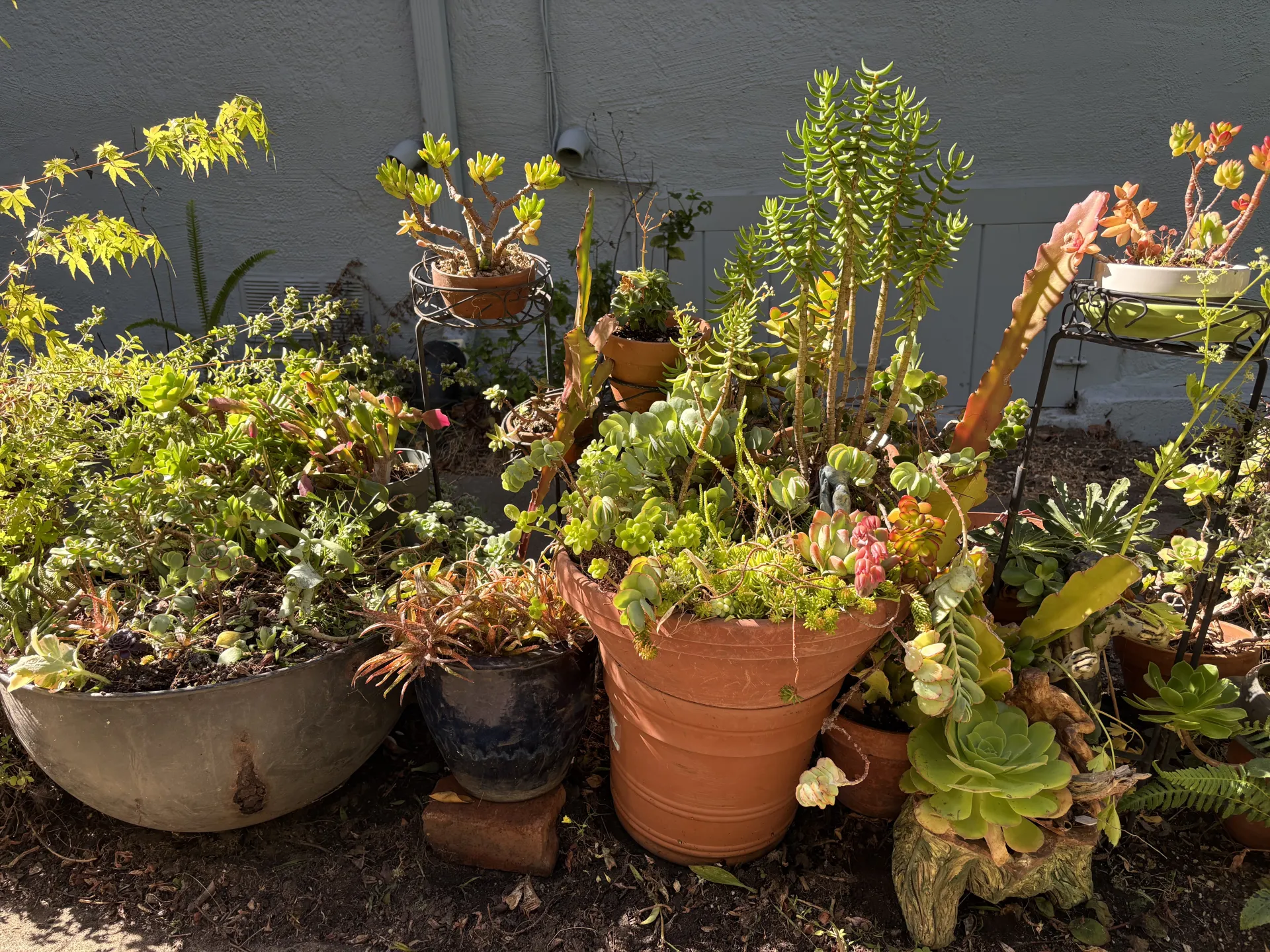
Terracotta clay, plastic, wood, ceramic, and fabric containers all have different water evaporation characteristics. Clay pots are more porous, as are fabric pots; they need more regular monitoring for water since they dry out relatively quickly. (Be realistic about how good you can be about watering.) Metal and dark plastic containers can get hot in the direct sunlight, and plants might need more water or a different location or clustering of containers to reduce the amount of sun on the sides of the containers.
Drainage and Standing Water
Containers should have drainage holes, so that plants do not stand in water. If there is a tray or dish under the container to catch water, that tray should be emptied after watering. The soil needs to be able to dry out some so that plant roots can breathe and not rot in too wet soil. If you use a ceramic container with no drainage hole, for smaller plants, you could use an inner container that does drain and then elevate the inner container so it can drain without sitting in water. Then you can periodically empty the ceramic container, though in the long term, it might be easier to drill a hole into the ceramic container.
Location: Indoor or Outdoor, Sun or Shade
Indoor light
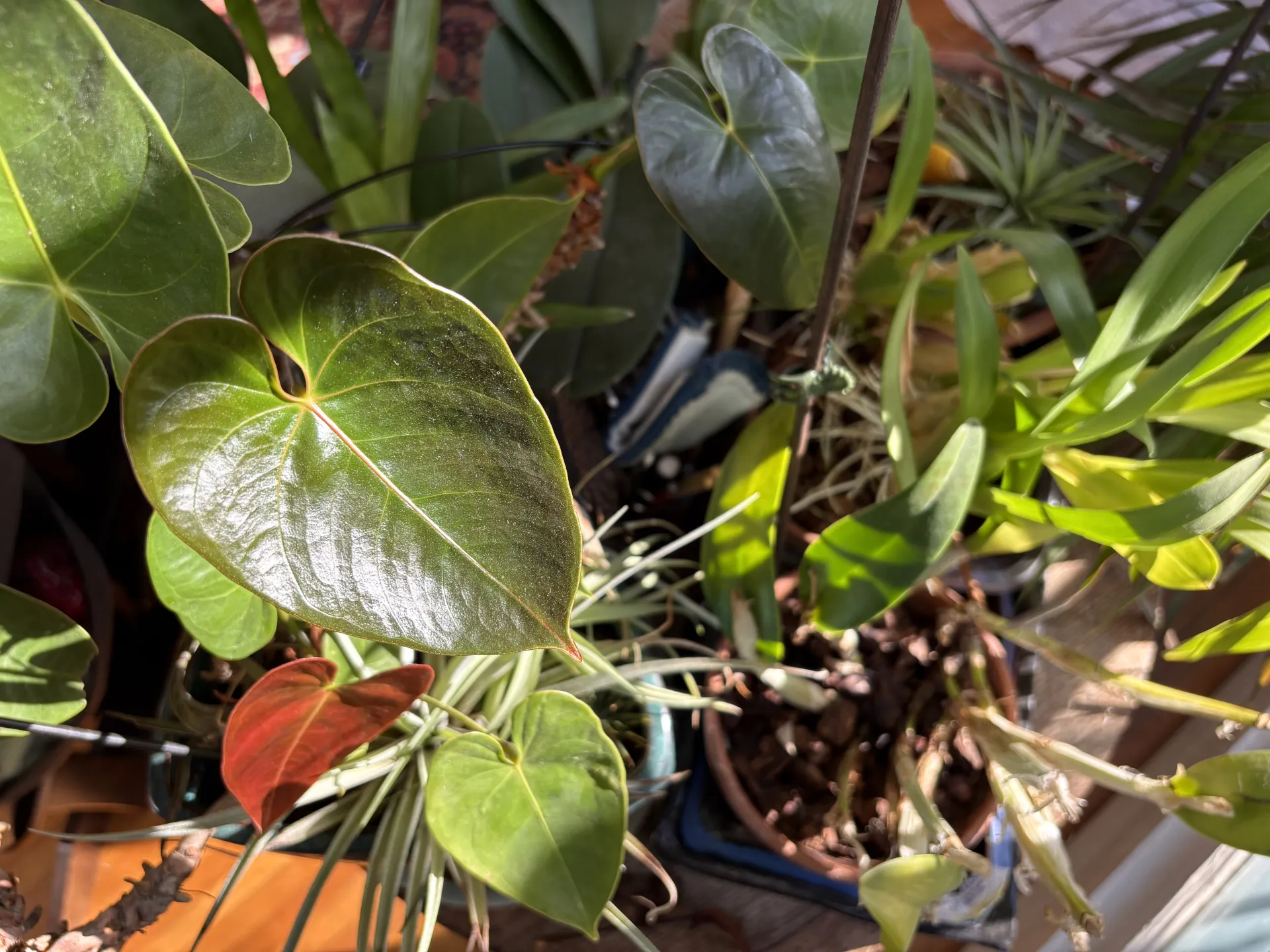
The location of your containers can make a big difference in the care of your plants. Indoor areas are usually more controlled in terms of light and heat, making it easier to adapt the watering and sun/shade requirements to your plants. For most indoor plants, indirect, bright light is what the plant needs, a few feet from a south or west-facing window, or light filtered by something like a tree canopy or a sheer curtain.
Outdoor Sun and Heat
Outdoor areas can vary considerably in terms of amounts of sun, shade, general temperatures, heat retention. Containers that are located in sunny areas will need more monitoring in terms of watering, especially if the containers are placed directly on concrete, walkways or other heat-retaining structures. Containers on or near such heat-retaining surfaces might need to be moved even in relatively cool areas near the bay, depending on the amount of heat retained. Containers may be raised off the hot surfaces with pot risers or feet to help with drainage and air space as well as protection from heat. Another idea is to nest a container on a brick inside a larger decorative pot, thus giving the roots more protection from heat. Grouping containers together can provide shade to one another, reducing the amount of sun that hits the sides of the containers.
Plant Selection and Inspection
Plant Size and Sun/Water Needs
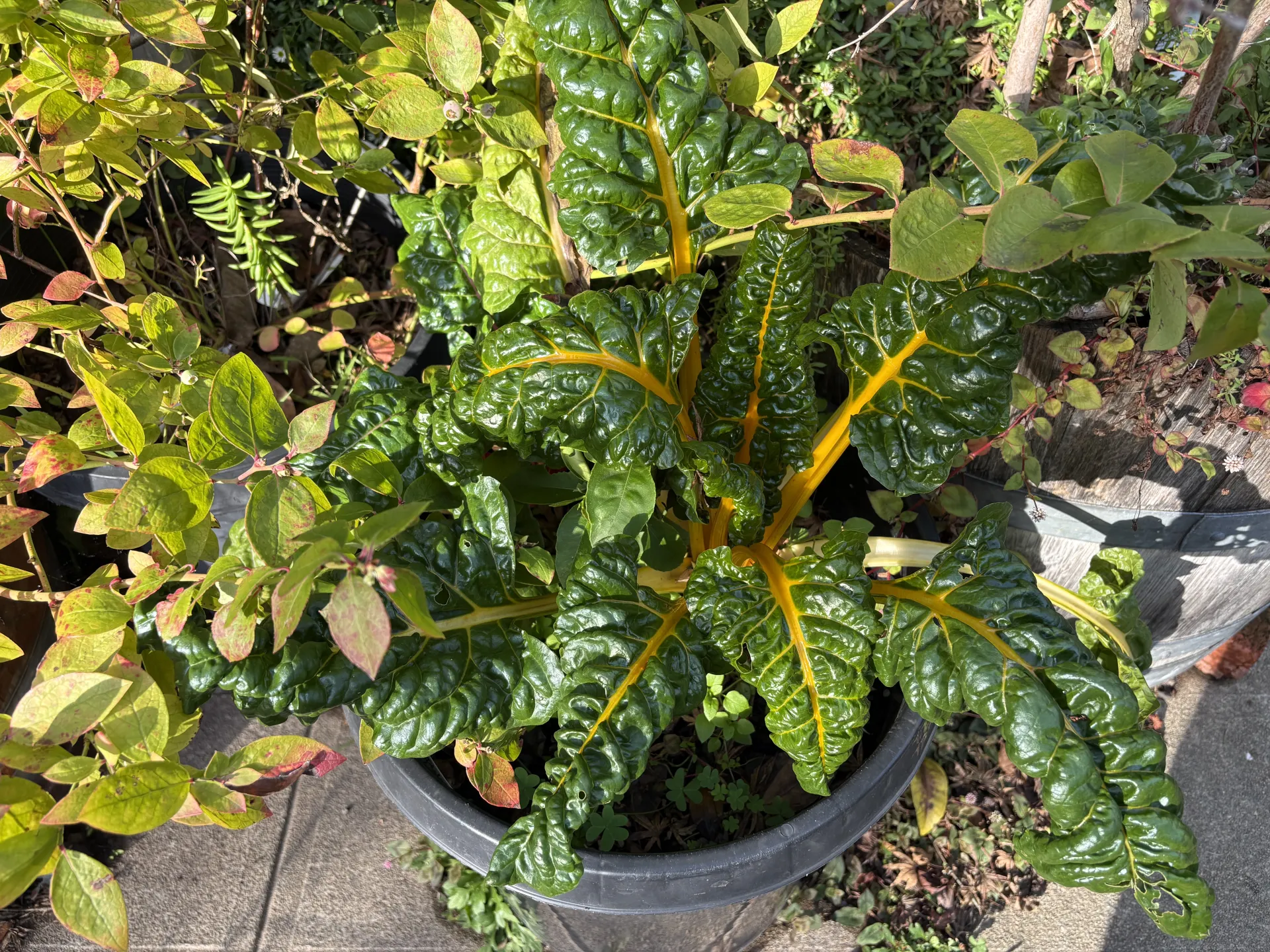
When choosing plants for container gardening, consider the size of the mature plant and the amount of space available for the plant. If you are planting several plants in one container or you are planning to cluster several containers in the same area, choose ones that have the same watering and sunlight needs. Reading the plant labels/tags before you purchase can give you all this information, and here is a blog on Understanding Plant Labels.
Trees and Shrubs Need More
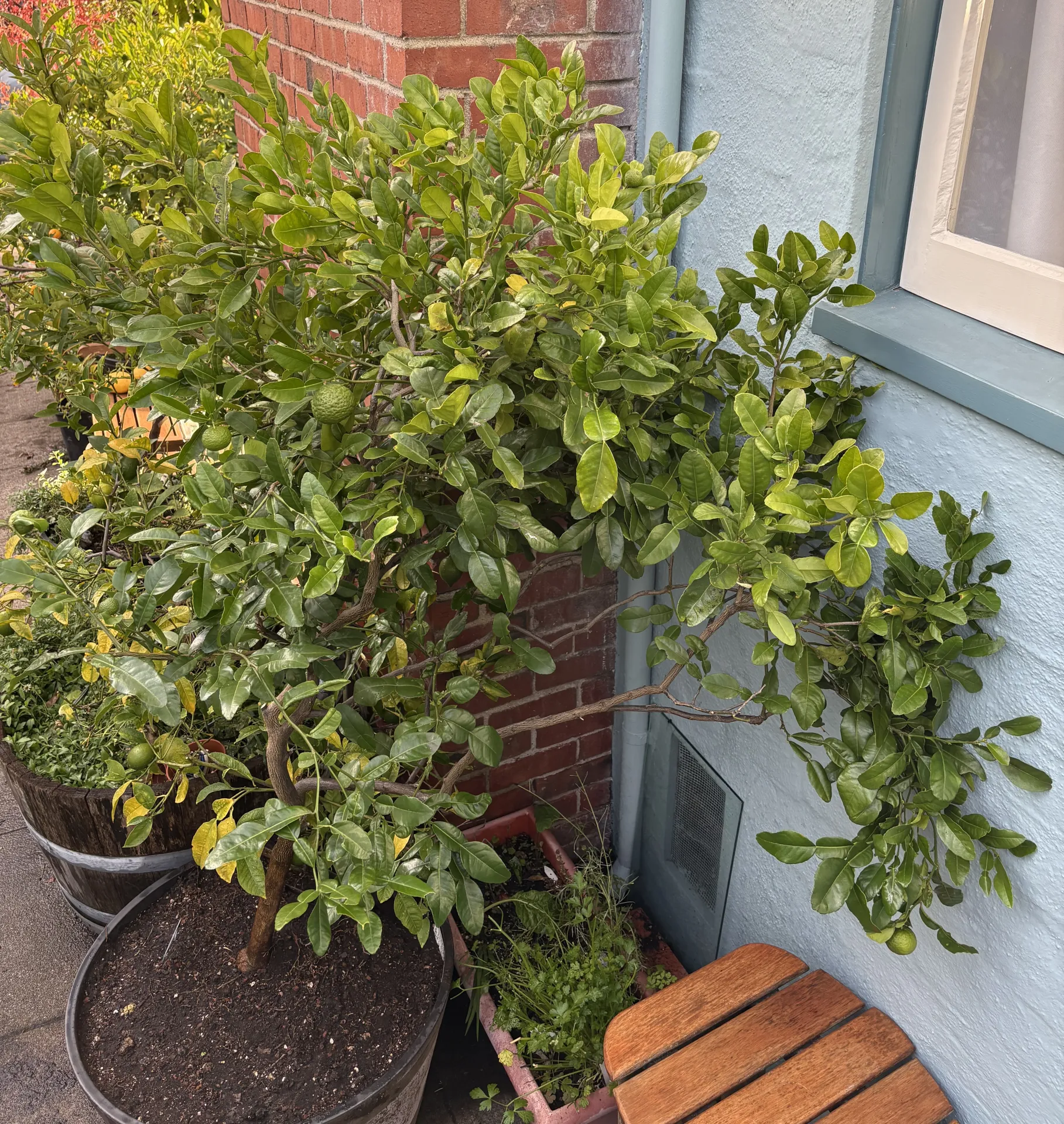
Sometimes we want to have larger shrubs or trees in containers. Consider that it is harder to provide enough water and nutrients to larger plants in containers. Regular water is necessary, and because they have limited soil and water reserves, the plants do not tolerate drought as well as plants in the ground. Some plants, like nutrient-hungry citrus, will need regular fertilization during the growing season. These larger plants will need to be transplanted into larger containers as they grow, probably eventually into something like the size of a half wine barrel. You might consider a plant caddy to be able to move your larger plants containers around.
Plant Selection and Root Ball
When choosing plants at the nursery, gently remove the root ball to look at the roots. There should be small, medium-sized roots that are white to light-colored. Roots circling the bottom or sides are signs that the plant is root-bound, not an ideal specimen.
Transition from Nursery
Easy Does It
If you are bringing home a plant from the nursery, think of the kind of care the plant has been receiving at the nursery. There are staff who are regularly watering and fertilizing the plant. They often are protected from the hot sun. They are clustered together with other plants, receiving less direct sun on the containers. So perhaps you might consider keeping even your sun plants in the shade while they become acclimatized to your home, indoor or outdoors. So baby your plant and help them with some extra attention during this time.
Watering – Avoid Overwatering and Underwatering
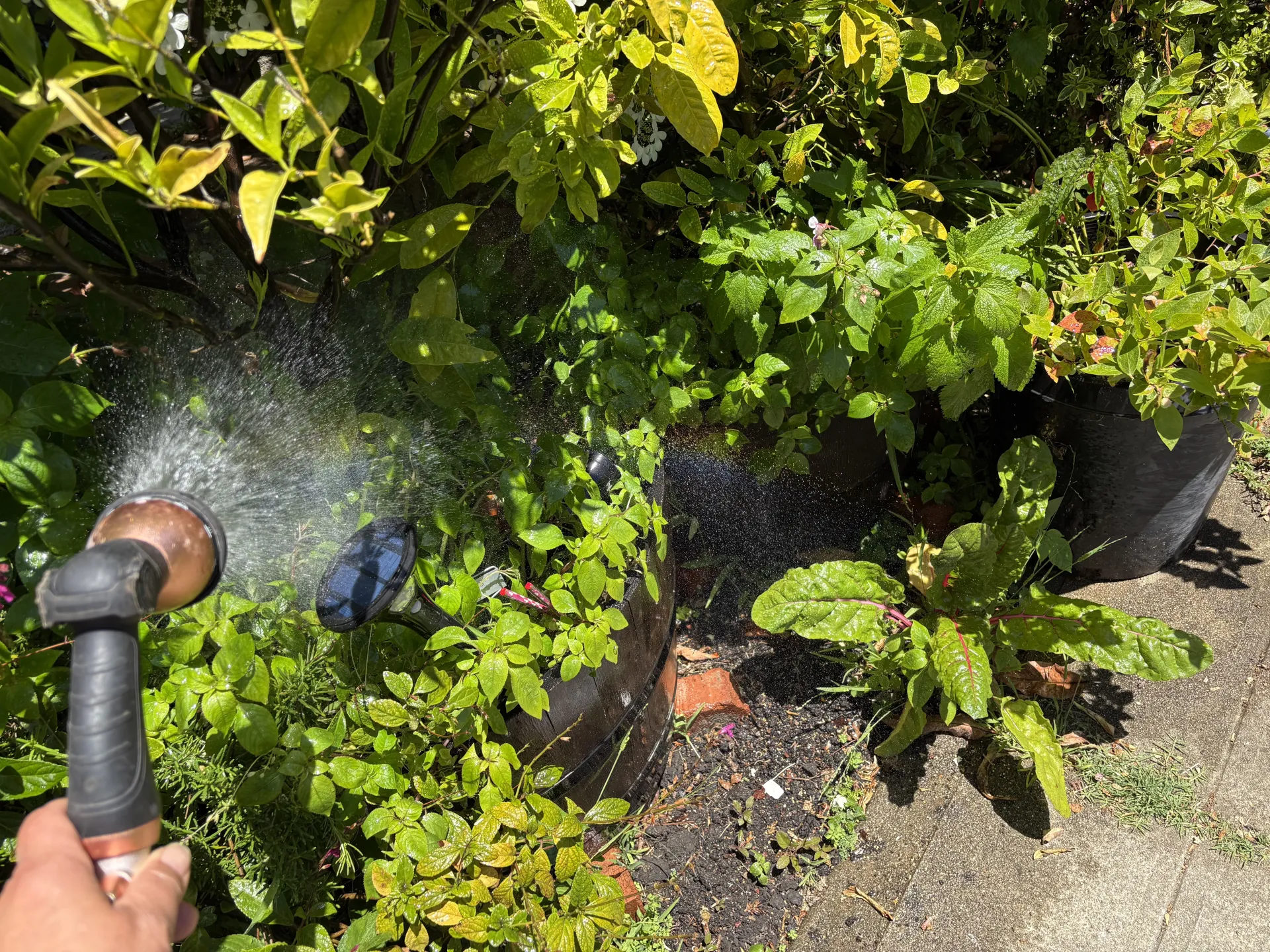
Appropriate watering is the key to successful container gardening – something easy to say but quite difficult to do consistently.
To avoid overwatering and underwatering, we need to monitor the soil by feeling the soil before we water and after we water.
Keep track of weather changes. Water ahead of heat waves. Water to help protect from frost.
Small containers
For the smaller containers, particularly indoor ones, it is helpful to take them to the sink to give them a thorough watering with enough time to let the excess water drain away. That time also can be used to look at the plant more closely for signs of pests and healthy growth in leaves and roots. Plants do not like to sit in water over an extended period; so be sure to empty any trays or saucers under the plants.
Larger Outdoor Containers
Outdoor containers, particularly larger ones with shrubs or trees, need a closer examination since the appearances can be deceiving. The surface can look quite moist, but an inch or two down, the soil can be dry. Watering needs to be done at a slow rate so the water is absorbed and doesn’t just run out over the top and out along the edges of the pot. You can use a moisture meter to measure moisture, or you can feel the soil with your fingers a couple of inches down. I have used a long-handled spoon to check the soil in different areas of a large wine barrel. You might be surprised at the variation in soil moisture.
Dried Out, Water-repelling Potting Soil
Potting soil can become hydrophobic if it dries out; that means instead of absorbing water, the soil repels the water. If the root ball becomes dry because of lack of water, it takes some concerted effort to rewet hydrophobic soil. It may take some immersion of the container or watering multiple times over several hours to get the rootball wet again. Once wet again, it is important to let the container drain.
Drip Irrigation/Hand watering
Since plants in outdoor containers are not tolerant of drought, drip irrigation may be a good way to make sure they get regular water, though drip irrigation needs also to be checked periodically for functionality. Hand watering is an option also and has the advantage that you can look closely at your plants as you water. There is nothing like feeling the dirt to know how the roots of your plants are doing.
When and How Much to Fertilize
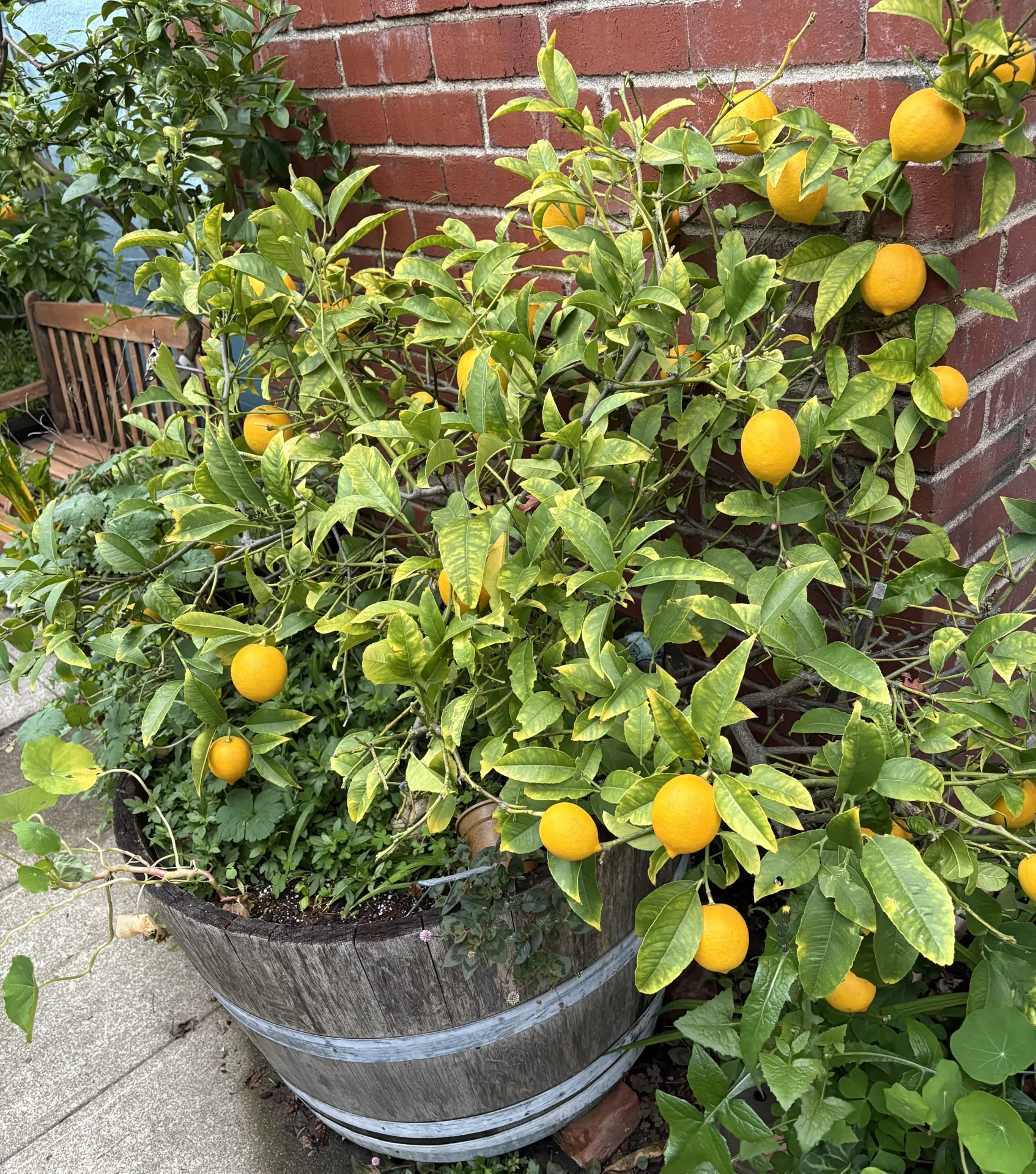
Fertilizing and Fertilizer Types
Fertilizing container plants is a different process from that of plants in the ground. Fertilizer is lost as the containers are watered. So, it is better to fertilize lightly more frequently after making sure soil is moist before applying fertilizer. Another choice might be slow-release fertilizer that is coated so that a little fertilizer is released with each watering. Here are some additional sources of information on fertilizing: Home Gardening Fertilizing Part 1 and Part 2.
Maintenance and Repotting
Periodic Re-Potting with Soil Replacement
Container plants need re-potting every couple or three years. Many plants become root-bound and need their roots trimmed and some new potting soil with fresh nutrients. Replace the old potting soil with fresh, unused potting soil. The used potting soil can go into your garden. Here is a blog on repotting on woody plants.
Evaluation
Check out the health of your plant, particularly the roots since they will be exposed when you re-pot your plant. When re-potting, you might find that a new larger pot is needed, or that you might want a different type of pot. This time can be a time to decide whether the plant is one that you want to keep; perhaps it is not doing well or it just isn’t what you want. Sometimes it is better to start again with a different plant. Or you might try re-arranging your containers since that is one of the advantages of containers - we can move plants to improve growing or for a change of visual scenery.
Conclusion
Container gardening can be quite rewarding, allowing us to expand our garden and grow plants where it would not be possible given the constraints of our home and garden. However, the limits imposed by the containers mean that we as gardeners have to be vigilant and observant about water and soil moisture. Plants in containers don’t have the soil and moisture reserves to weather a dry spell very well. That said, plants are resilient and can recover though it might take months. Container gardening is an adventure, and I hope the hints above will smooth your path to happy container gardening.
Resources:
Container Gardening Basics from UC Master Gardeners of Santa Clara County
Container Magic! A PDF Slide Deck from UC Master Gardeners of El Dorado County
Container Gardening Resources (publications and videos) from UC Master Gardeners of Sacramento County
Soil Mixes for Container Gardening PDF from UC Master Gardeners of Napa County
Want to Learn More?
This blog post is brought to you by the Help Desk of the UC Master Gardeners of Alameda County. Subscribe to our blog!
Have a Gardening Question? We'll Help.
Visit our Help Desk page to submit your question and see additional ways you can reach us.