
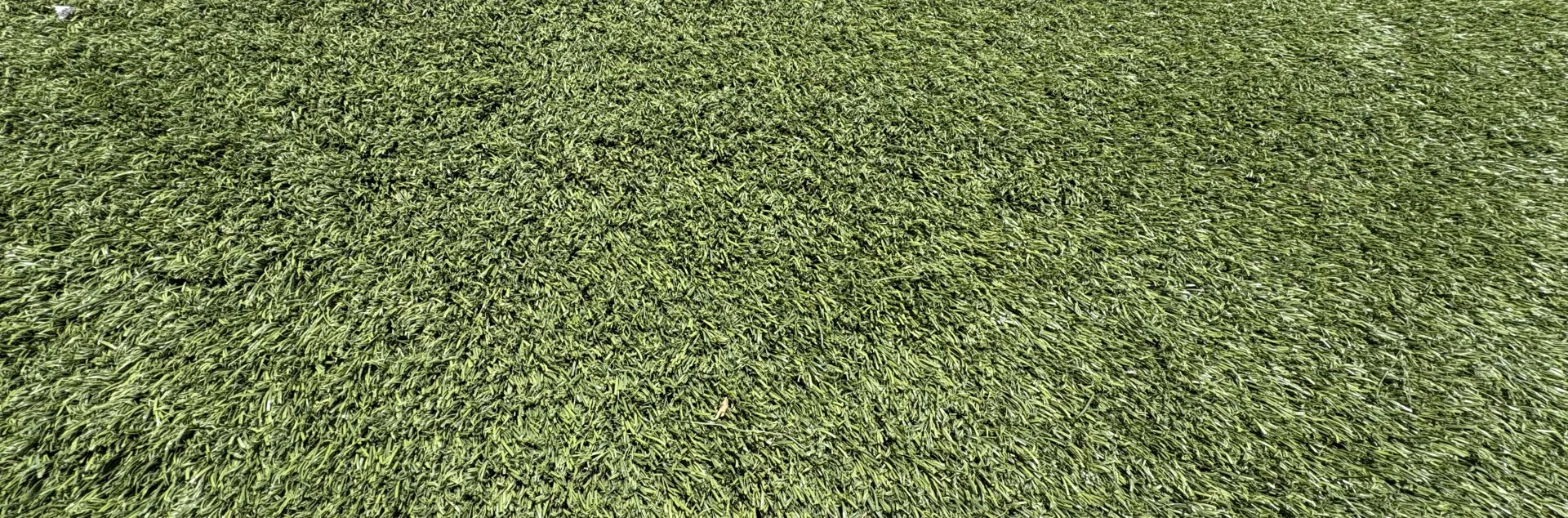
Artificial Turf in the Home Yard and Garden
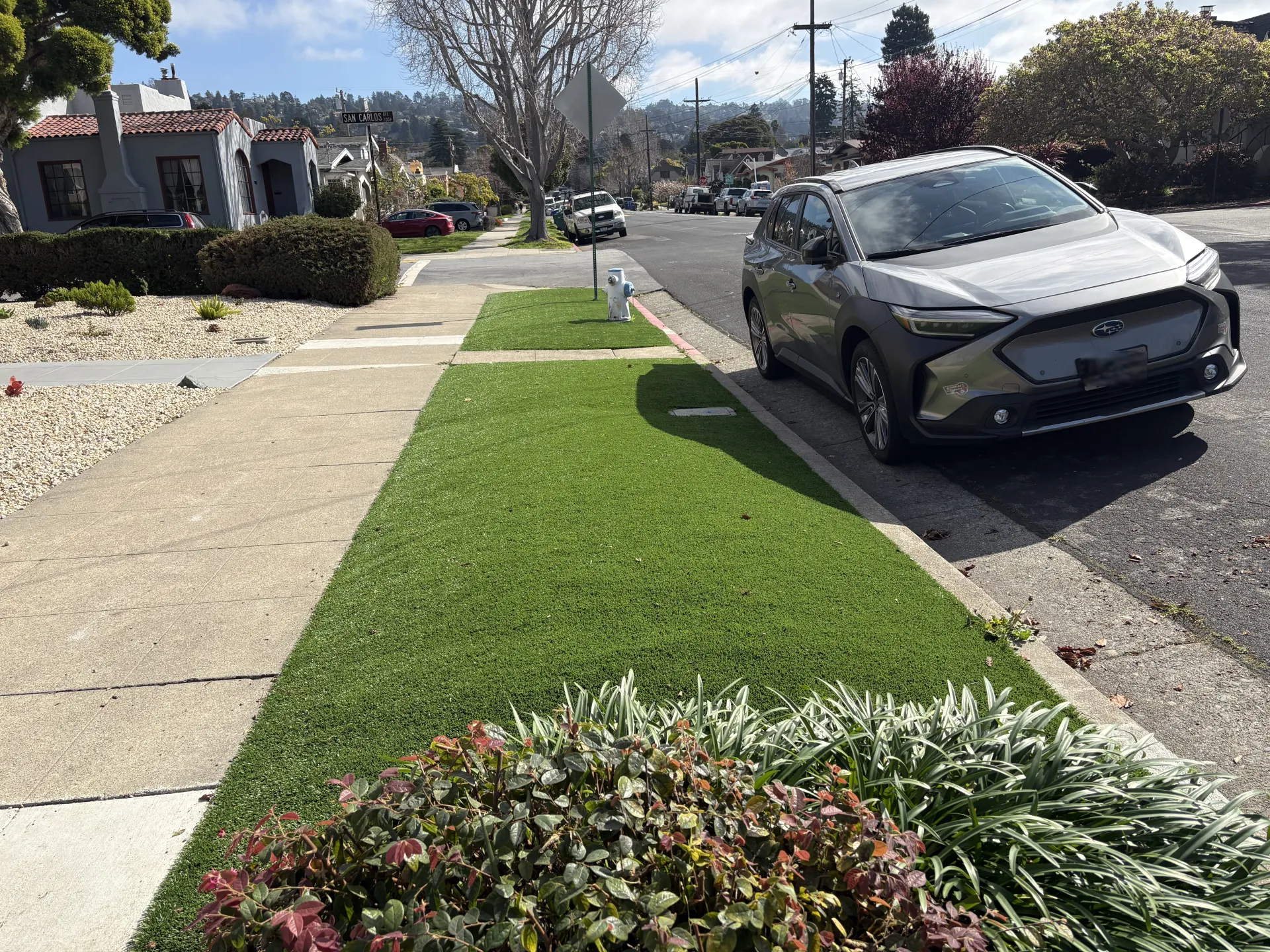
Artificial turf has been in use since the mid-1960’s, and has gained in popularity in home landscaping as well as in community and commercial settings. Because of the drought crises, artificial turf was promoted as a low-water alternative to existing lawns, California law, specifically Assembly Bill 1164 (AB 1164), was passed in 2015 to prohibit cities and counties from banning synthetic grass and artificial turf. The use of artificial turf has expanded from sport fields to schools and businesses as well as to residential use.
Now there are concerns about health and environmental risks of the chemicals present in artificial turf, and California law, specifically Senate Bill 676 (SB 676), signed in 2023, now defines “drought-tolerant landscaping” to exclude synthetic grass or artificial turf. Yet, for many, artificial turf meets a need for a durable lawn substitute that is low maintenance with low water use, able to withstand high levels of use rain or shine, and looks good.
The following is an examination of what artificial turf is, what research says about its downsides and where the use of artificial turf makes sense. In addition, we will look at other lawn alternatives and how they might be used in combination with artificial turf or in place of artificial turf.
Learn about artificial turf
We need to understand what artificial turf is and what it means to live with artificial turf.
What is artificial turf?
- Artificial turf is a material that has plastic grass-shaped blades attached to a backing. The blades are mostly polyethylene with a backing that is typically polyester or polypropylene, coated with polyurethane. There can be layers of material to help with drainage or cushioning.
- Infill, the cushioning material between the blades, is often sand and/or crumb rubber (made from ground-up recycled tires). Infill is used more for artificial turf designed for sports and may not be necessary for residential use. The type of infill material can make a difference in the durability and long-term appearance of the grass.
- Artificial turf is a material that has plastic grass-shaped blades attached to a backing. The blades are mostly polyethylene with a backing that is typically polyester or polypropylene, coated with polyurethane. There can be layers of material to help with drainage or cushioning.
What maintenance does artificial turf need?
Image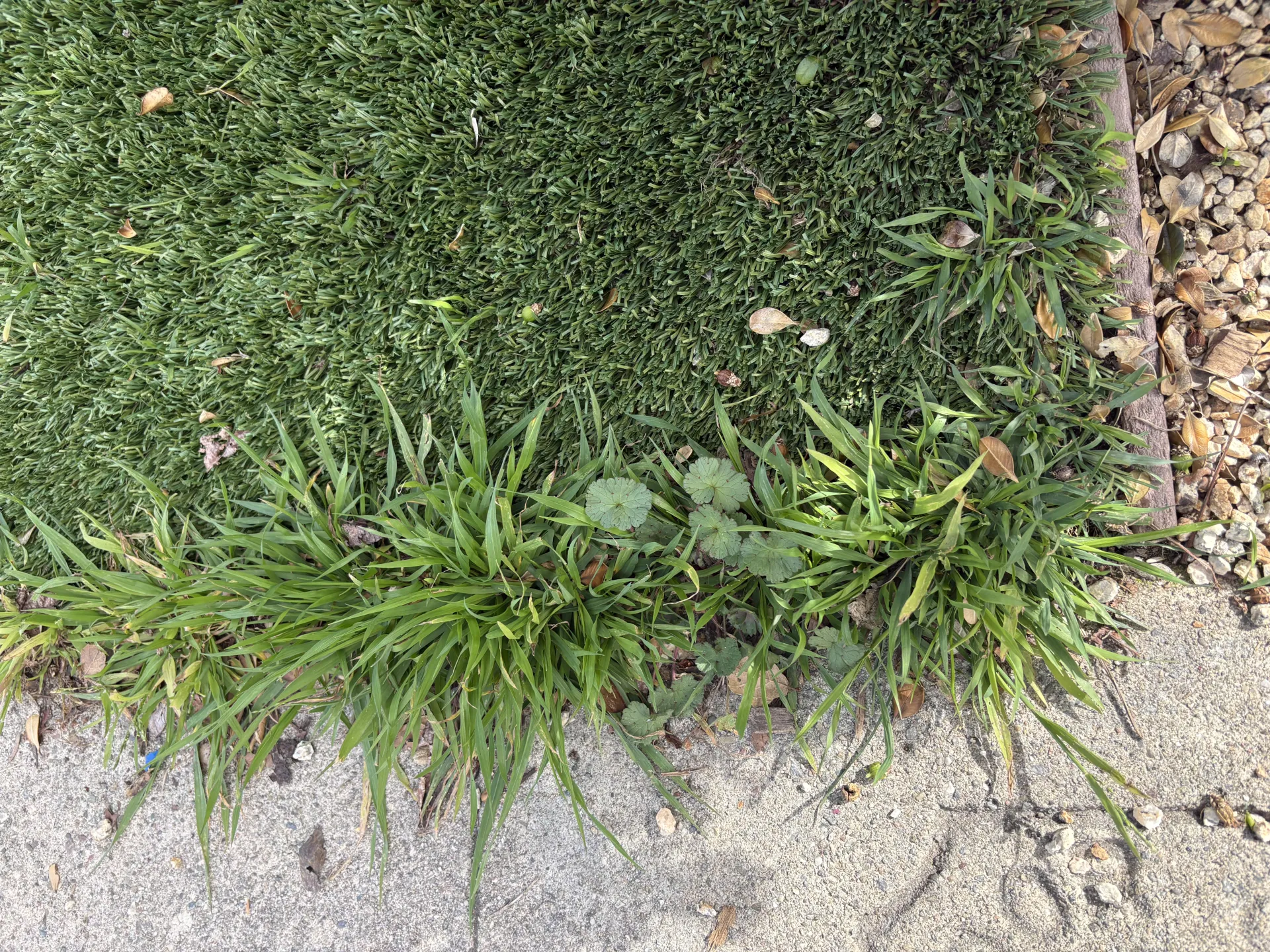
- Artificial turf does need to be cleaned of spills, plant debris, and pet waste. It is a plastic rug with some drainage. If debris, like leaves, are not cleared, then it will get ground into the artificial grass. Vacuuming may be needed to pick up debris. The grass should be brushed against the grain to keep the grass from getting matted, especially in high-traffic areas.
- Rinsing should be done more often to remove odors from pet waste, which is best removed promptly since that waste cannot decompose and be absorbed as it does in soil.
- Cleaning, rinsing and brushing should be done often, weekly or monthly. Regular deodorizing may also be needed.
- Weeding may be needed since crabgrass and other weeds can grow in it.
- Artificial turf does need to be cleaned of spills, plant debris, and pet waste. It is a plastic rug with some drainage. If debris, like leaves, are not cleared, then it will get ground into the artificial grass. Vacuuming may be needed to pick up debris. The grass should be brushed against the grain to keep the grass from getting matted, especially in high-traffic areas.
How hot does artificial turf get?
Artificial turf, like asphalt and black mulch, has been measured to be more than 60 degrees hotter than plants, reaching as high as 170 degrees, like black asphalt.
These temperatures add to the urban heat island effect, which is when cities get much warmer than nearby rural areas. More inland areas, like our Tri-Valley area, are more likely to have artificial turf reach such temperatures in late afternoons.
Watering the artificial turf is only a very temporary solution to lowering the high temperatures.
With more hot days associated with climate change, the heat-retention of artificial turf is an increasing concern.
What impact does artificial turf have on habitat and the environment?
Habitat for insects, birds, small mammals, and the living creatures in the soil is reduced since artificial turf displaces living plants that provide food and shelter. Artificial turf restricts air and water, which impacts the soil organisms necessary for healthy soil. The soil under the artificial turf can be compacted and become less able to absorb water.
There is concern about the chemicals (PFAs and lead) in artificial turf crumb rubber and the microplastics leaching into groundwater. High heat can cause chemicals to leach out of a crumb rubber base. There are other choices for the infill, and there may be concerns for leaching with those choices as well. .
Artificial turf has a limited life, perhaps 8-20 years, depending on quality, usage, climate, maintenance and installation; once it needs to be disposed of, it is hard to recycle and usually ends up in landfill.
When does it make sense to use artificial turf?
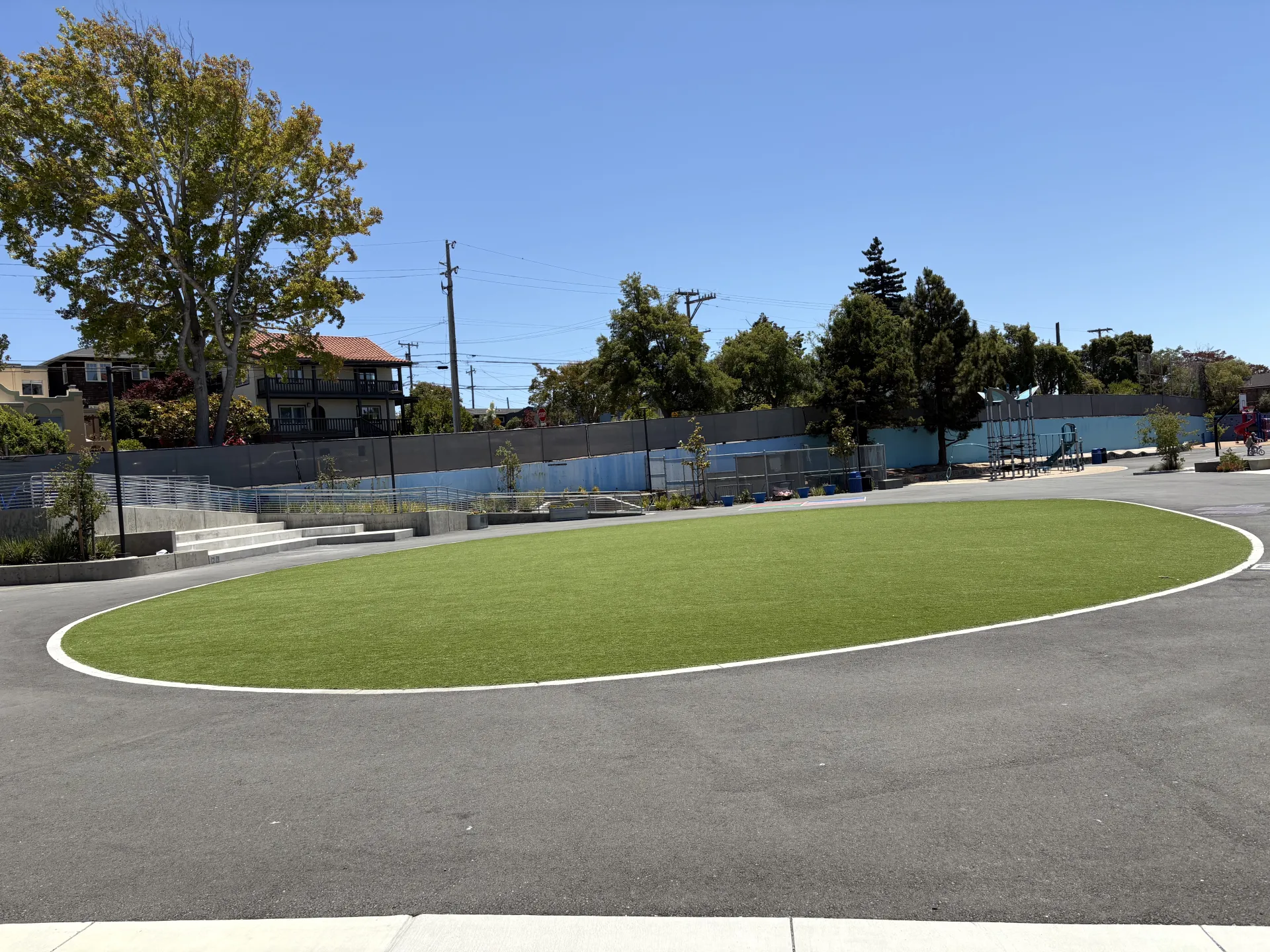
Artificial turf holds up better than many natural grasses under heavy use. If you live in an area where you don’t get many hot days, then the heat retention of artificial turf is not as big of an issue. Heat can also be reduced by having shade available or water to cool the surface. Having a smaller area of turf also reduces the need for general maintenance, though some will still be needed.
If you live in an area where temperatures are more moderate like the coastal side of Alameda County and you need a durable surface in situations like high-traffic play areas or small fenced areas where kids play daily even in wet weather, you might find artificial turf quite practical.
You also might use artificial turf in small areas that have difficult growing conditions for lawns, such as spaces with poor drainage, rocky or compacted soil, or heavy shade from trees or buildings.
In tiny urban yards the environmental downsides of artificial turf are more contained, and the ease of maintenance is may be more important, especially if the yard is hard to mow and/or the resident really wants or needs less work with no irrigation needed to keep a green, tidy look.
A law passed in 2023 amended California law so that it now allows California cities and counties to ban artificial turf; so before installing artificial turf, check with your county or city, since some communities have restrictions on artificial turf.
Here are other ideas on reducing water use, replacing a lawn, and finding alternatives and resources
Rebates from local water agencies for lawn conversion
Water agencies have chosen to exclude artificial turf from lawn conversion rebates due to environmental considerations even though artificial turf may require less water.
Drought-tolerant landscaping with flowering plants
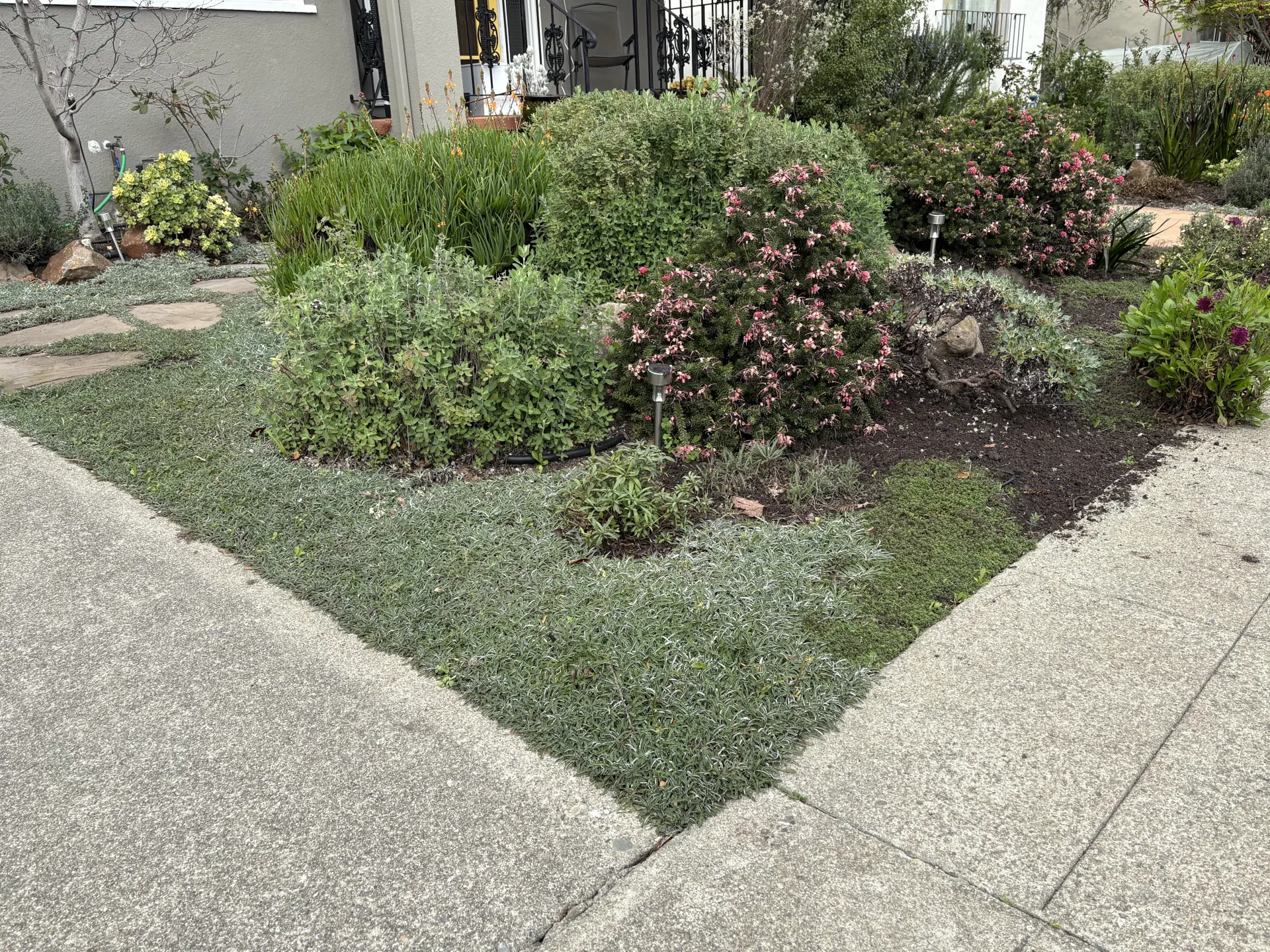
Killing Your Lawn detailed information about killing and replacing your lawn with flowering plants to attract pollinators and beneficial insects, or reduce water use, with resources such as the following:
- UC Davis Arboretum's Planting Plans
- California Native Plant Society's Native Plant Lists and Planners
- CA. Department of Water Resources Water Efficient Landscaping
Fight Climate Change with Your Yard: Sustainable Landscaping information from CalRecycle with “3 steps to a Climate Smart Garden” converting lawn to a garden. There is also design, California Native Plant Society garden tools to plan a garden and get native plants and other low-water plants
Replace Lawn | UC Marin Master Gardeners details on taking out a lawn and how to decide on what you want in its place with additional resources
Water-Wise Gardening in the San Francisco Bay Area from Bay Area Water Supply and Conservation Agency (BAWSCA)
Here you will find information on how to design and install a water-wise garden, irrigation methods and equipment that will help you to water your landscape more efficiently, and suggestions on how to easily and effectively maintain your garden.
Featured landscape ideas for the Tri-Valley including lawn alternatives with accompanying growing and design information
Beautiful Tri-Valley Lawn-to-Garden examples and resources for lawn conversion for TriValley
BAWSCA resources for lawn replacement Many resources for lawn replacement
Drought-tolerant grasses and ground covers
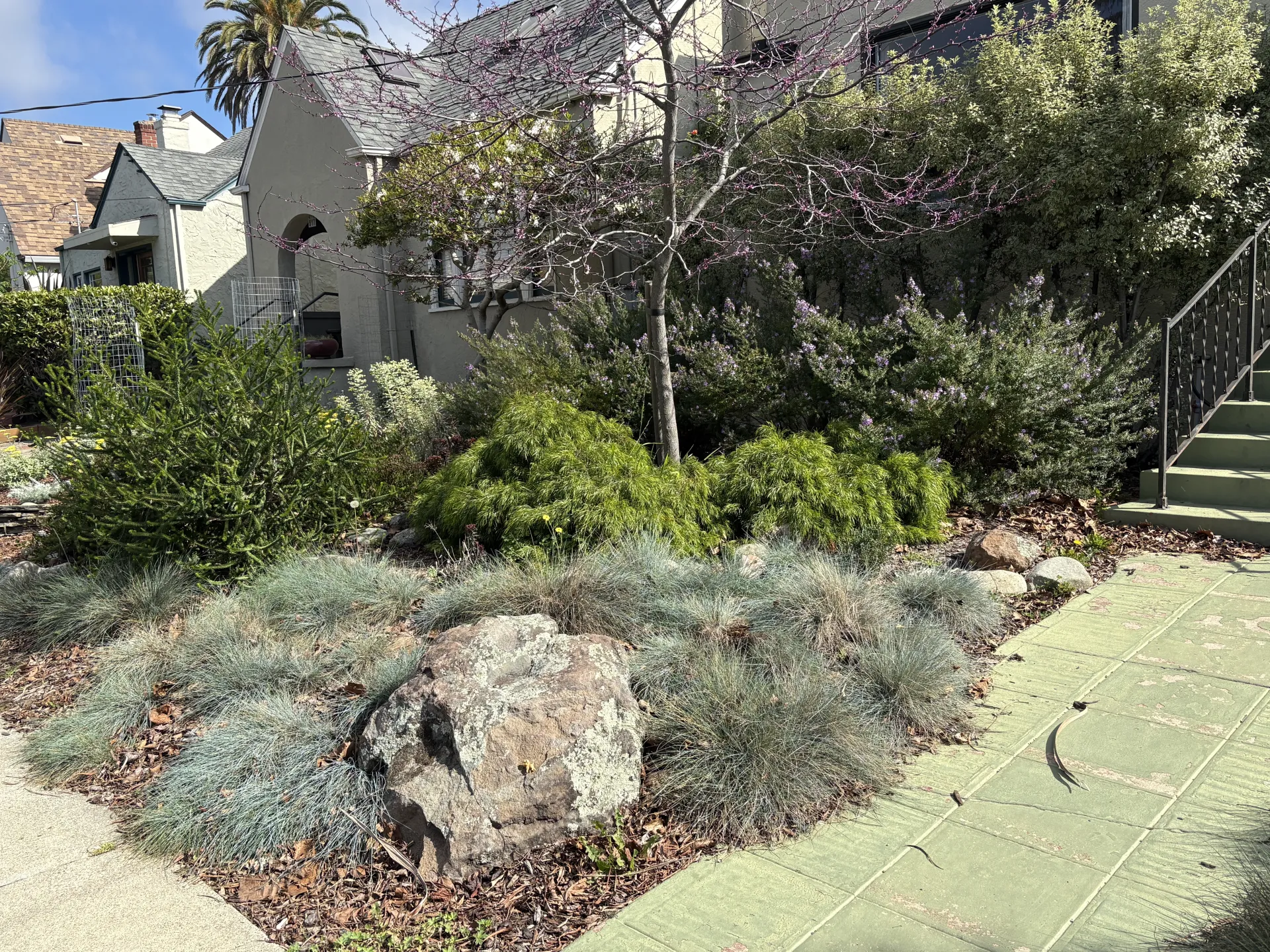
Lawn Alternatives: Grasses and Groundcovers | UC Master Gardeners of San Luis Obispo County List of lawn alternatives with lots of information such as description, size, Sunset climate zone, foot traffic tolerance, water needs and more
The Changing American Landscape - Sustainable Grass Alternatives | UC Master Gardeners of San Mateo & San Francisco Counties “low-growing plants that replicate the look and feel of typical turf grasses are referred to as “grass alternatives.” Many are drought tolerant and require significantly less water than traditional lawns.”
UC Marin Master Gardeners - Walkable lawn alternatives | Plants lots of information with photos, growing information and garden design ideas
Consider switching to warm-season grasses to have a lawn while reducing water consumption
Lawns: Are We Loving Them or Leaving Them? | UC Master Gardener Program of Contra Costa County “Warm-season grasses are more drought resistant, robust, and rival cool-season grasses in their lush appearance. And when it comes to durability and resilience, warm-season grasses consistently outperform their cool-season counterparts.”
Conclusion:
Artificial turf currently has its place in our community because of its practicality and durability, though there are health and environmental concerns. Hopefully by thoughtfully thinking through our decisions, we will find the right balance with the needs that artificial turf meets and the needs of our gardens, wildlife, health and environmental concerns.
Resources:
https://www.syntheticturfcouncil.org/
A tale of two turfs: Bay Area residents split over using artificial grass article from Mercury News detailing local areas that have installed artificial turf and the opposition that has arisen.
Artificial Turf information sheet from Bay Area Water Supply & Conservation Agency (BAWSCA)
Artificial Turf information sheet from Valley Water from EBMUD
Fake grass makes hot environments hotter by UC Master Gardeners of Fresno County
Grass and Artificial Turf - Saving Water Outdoors Ideas about water-saving landscape from regional partners located in Arizona
Once it was hailed as a drought fix — but now California's moving to restrict synthetic turf over health concerns article from CalMatters on 2023 California law
Surface Temperature of Synthetic Turf from Penn State’s Center for Sports Surface Research
Want to learn more?
This blog post is brought to you by the Help Desk of the UC Master Gardeners of Alameda County. Subscribe to our blog!
Have a Gardening Question? We'll Help.
Visit our Help Desk page to submit your question and see additional ways you can reach us.