
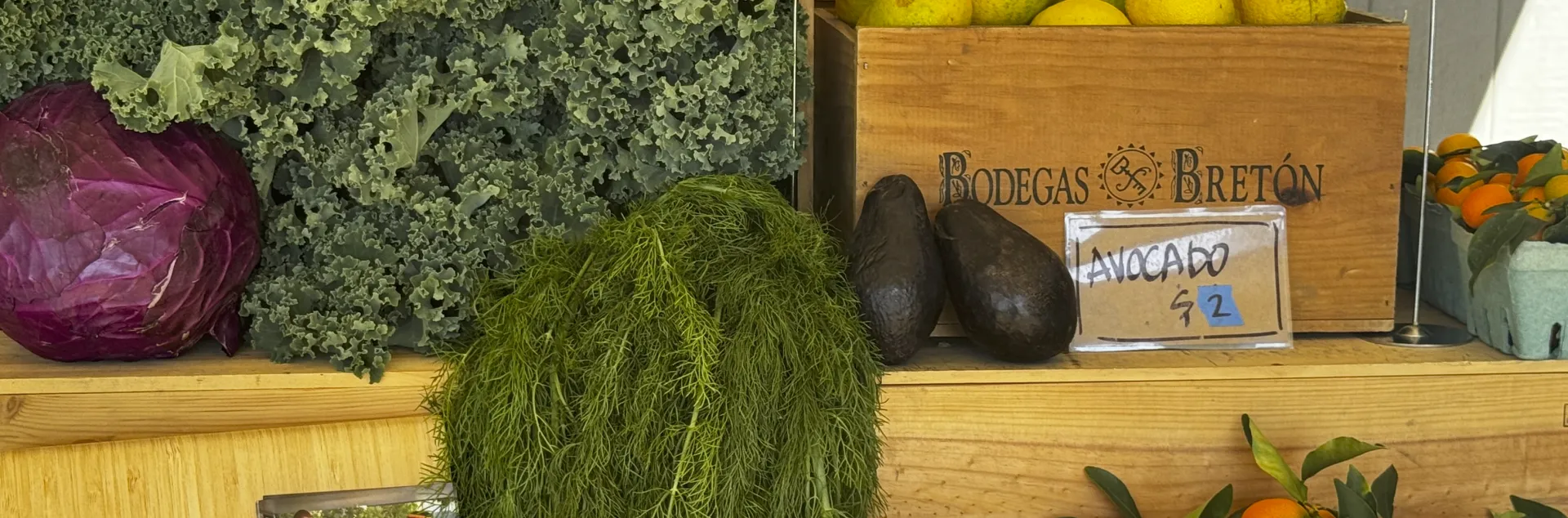
When the COVID-19 pandemic disrupted local markets in 2020, many small urban farms were left without buyers or a clear path forward. Through programs led by the University of California Agriculture and Natural Resources (UC ANR), urban agritourism is emerging as one strategy to help these farms diversify income and strengthen long-term resilience.
At Alma Backyard Farms, an urban farm in Compton, California, the impact of the pandemic was immediate: a sizable order of pumpkins destined for a restaurant in Los Angeles was canceled overnight.
“From one day to the next, we were left with a lot of product and didn’t know what to do,” the owners recalled.
What followed didn’t only support the community during a time of crisis — it also marked the beginning of a transformation now reflected in the growth of urban agritourism. After reflecting on their options, the farmers made a decision that would shape the farm’s future: they gave the vegetables away to the community, which, like them, was facing uncertainty, isolation and an unprecedented public health crisis.
The experience prompted Alma Backyard Farms to rethink its economic model. Recognizing that they did not produce the large volumes of major agricultural operations, they began exploring new ways to diversify their income beyond crop production.
Today, the farm not only grows vegetables and ornamental plants but also hosts educational activities, community events and hands-on experiences that reflect the expanding role of urban agritourism in Southern California.
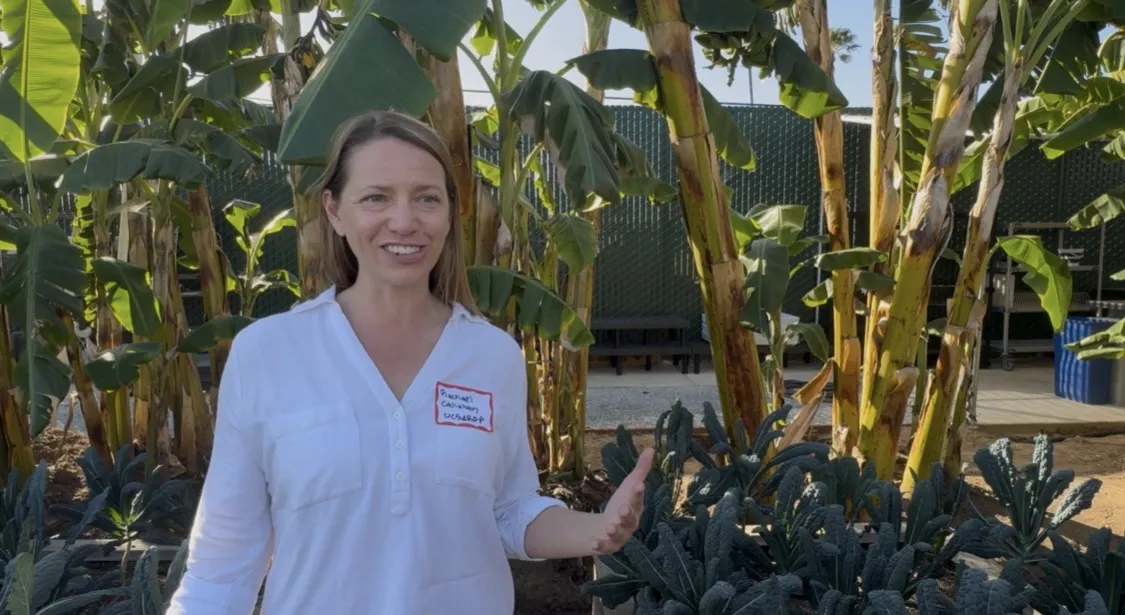
During a recent meeting at the farm, Rachel Callahan, director of UC ANR’s agritourism program, explained how these initiatives help diversify farm operations and strengthen connections between farmers and the public.

“The term agritourism is still evolving, but it refers to activities that occur alongside the main agricultural operation,” Callahan said. “These can include workshops, guided tours and educational experiences that help farms expand their impact and generate new economic opportunities.”
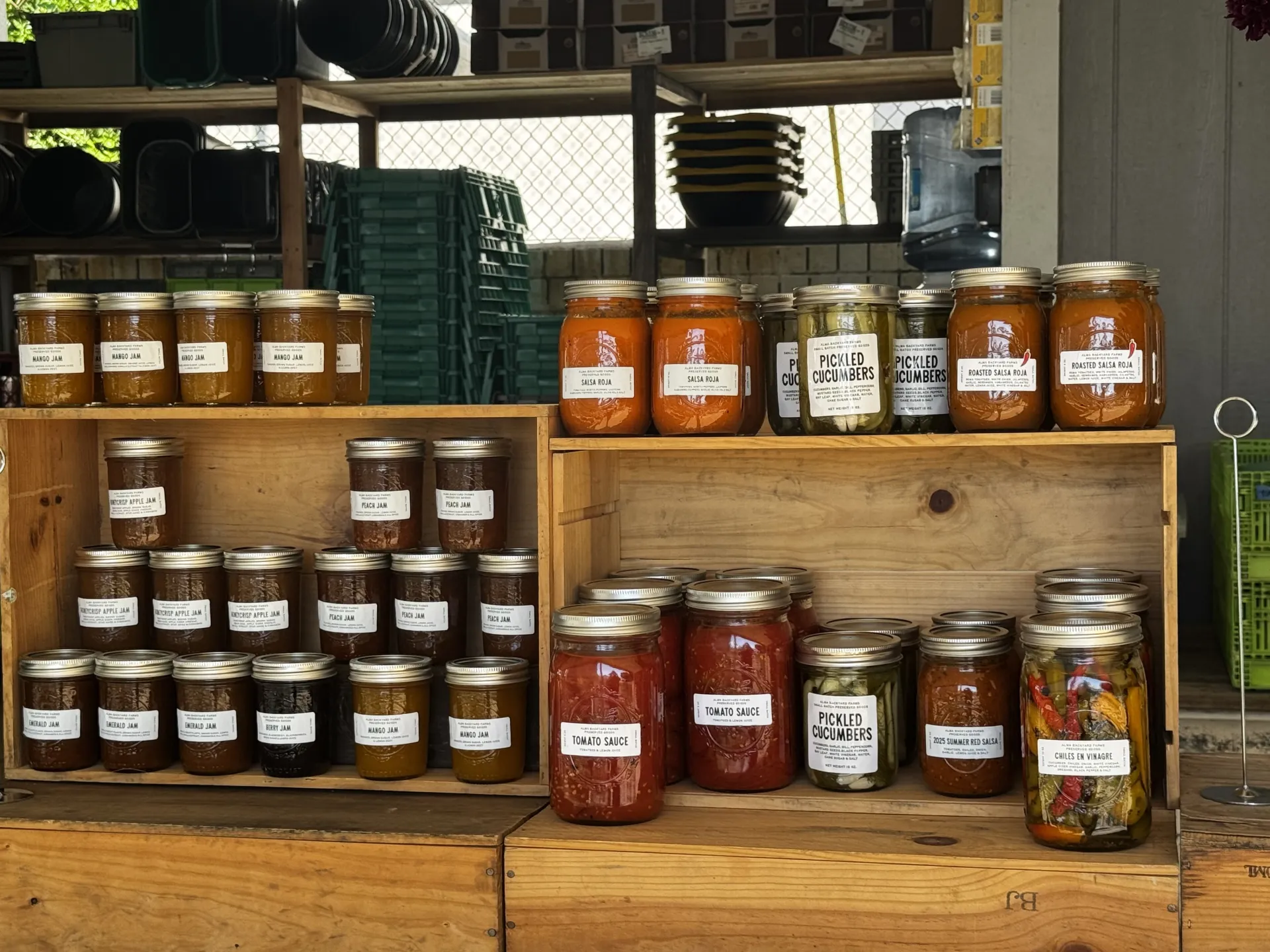
Alma Backyard Farms illustrates this shift. In addition to growing crops, the farm has begun packaging products and organizing events that help people better understand where their food comes from and how local agriculture functions within an urban environment.
UC ANR educational programs and workshops support urban farmers interested in diversifying their activities. Through technical assistance, training and learning opportunities, specialists work alongside producers to develop sustainable models that integrate education, agricultural production and community engagement.
Public response reflects growing interest in these efforts. Based on applications received through the Cultivating Farmers microgrant program, about 150 urban agriculture projects — including microfarms, community gardens and agricultural organizations — have been identified in the Los Angeles area and surrounding regions. In addition, 44 people attended a recent agritourism workshop, including 34 urban farmers.
“We’re here to talk about agritourism and how to diversify income, which is very important for farmers,” said Sierra Reiss, UC ANR land access project manager. “Some farmers cannot generate enough income from production alone, so they need to add other activities, such as farm-to-table experiences and educational visits.”
Although there is no official count of all urban farms, these figures reflect an expanding agricultural ecosystem driven by communities seeking local food production and stronger social connections.
For many attendees, the meeting represented more than training. It was a reminder that traditional agricultural practices remain alive in urban settings.
Maria, who manages a community garden at her apartment complex, said agriculture has become a collective effort that brings neighbors and families together.
“We manage it together. We make sure the vegetables are well cared for, and it’s something we really enjoy,” she said.
For UC ANR, agritourism and community farming projects represent opportunities to connect science with communities historically underserved by formal agricultural systems.
In Compton, where concrete dominates the landscape and green space is limited, farms like Alma Backyard Farms are redefining agriculture’s role in the city — not only as a source of food, but as a space for learning, connection and economic opportunity.
With support from UC ANR, urban agritourism is helping small farms move beyond survival toward long-term resilience.