

“The word itself ‘research’ is probably one of the dirtiest words… it stirs up silence, it conjures up bad memories, it raises a smile that is knowing and distrustful.”
-Decolonizing Methodologies, Linda Tuhiwai Smith
A problematic past
As Dr. Linda Tuhiwai Smith, an Indigenous scholar and activist, explains in her book Decolonizing Methodologies (Smith, 2012), the very word research can provoke mistrust and defensiveness in some communities. This skepticism is not unfounded. Throughout history, research has often been used as a tool of exploitation rather than empowerment, with Western scientists extracting knowledge, resources, and cultural practices without consent or reciprocity.
Infamous examples of harmful research include the Tuskegee Syphilis Study (Jones, 1993), which deceived and denied treatment to African American men; the Nazi medical experiments in concentration camps (Lifton, 1986); and the Minnesota Starvation Experiment (Keys et al., 1950), which subjected conscientious objectors to military duty to extreme levels of low nutrition. Even in less egregious cases, “helicopter research” — where university or government researchers arrive, collect data, and leave without explanation or clear benefit to the impacted community — can leave people feeling abused, confused, or alienated (Castleden et al., 2012).
Working With, Not On, Communities
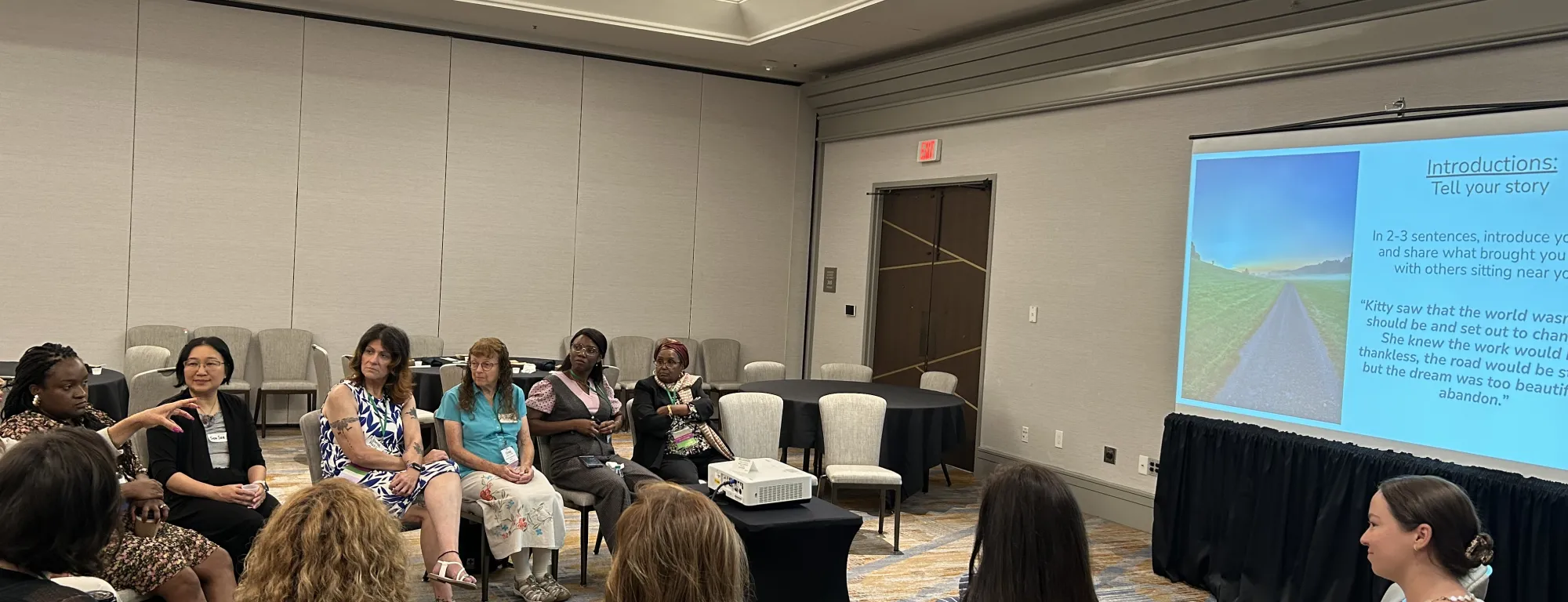
Fortunately, alternatives to this extractive model are being readily adopted by researchers. Many scholars and practitioners now advocate for community-engaged research (CER) — an approach that emphasizes collaboration, mutual benefit, and respect between researchers and community members. As the name implies, CER actively involves the community in shaping the research process: identifying and shaping priority questions, selecting culturally appropriate methods, collecting data, interpreting results, and sharing findings for enhanced local impact (Israel et al., 2013).
An example of a widely-used approach is Participatory Action Research (PAR). Community members are given space at the table as co-investigators rather than subjects, contributing to all stages of inquiry (Baum et al., 2006). Another is citizen science, where residents contribute observations or data — such as the Audubon Society’s Christmas Bird Count, which has generated over a century of valuable ecological data (Bonney et al., 2014). Tools like community advisory boards, storytelling workshops, and listening sessions are other ways to ensure that research is not only about the community but for and with the community.
At the highest levels of engagement, communities and researchers share decision-making power. This collaborative model helps ensure the work is culturally grounded, ethically sound, and practically useful to those most affected by the issue at hand (Minkler & Wallerstein, 2008).
Changing the Research Dynamic
CER transforms the dynamic from extractive data collection to a shared solution-oriented effort. Cooperative Extension Advisors are well suited to use these approaches, since we often live and work in the same communities we serve. This proximity builds trust and opens pathways for co-developing research projects that respond to local priorities. Instead of treating residents as “subjects,” CER treats them as partners, valuing local knowledge and strengths alongside academic expertise.
By fostering ongoing relationships, providing transparent communication, and ensuring that results are accessible and actionable, community-engaged research helps repair the historical breach between science and society — and, perhaps more importantly, creates knowledge that is both credible and useful.
Works Cited
- Baum, F., MacDougall, C., & Smith, D. (2006). Participatory action research. Journal of Epidemiology & Community Health, 60(10), 854–857. https://doi.org/10.1136/jech.2004.028662
- Bonney, R., et al. (2014). Next steps for citizen science. Science, 343(6178), 1436–1437. https://doi.org/10.1126/science.1251554
- Castleden, H., Morgan, V. S., & Neimanis, A. (2012). Researchers’ perspectives on collective/community co-authorship in community-based participatory Indigenous research. Journal of Empirical Research on Human Research Ethics, 5(4), 23–32. https://doi.org/10.1525/jer.2010.5.4.23
- Israel, B. A., et al. (2013). Methods in Community-Based Participatory Research for Health (2nd ed.). Jossey-Bass.
- Jones, J. H. (1993). Bad Blood: The Tuskegee Syphilis Experiment. Free Press.
- Keys, A., et al. (1950). The Biology of Human Starvation. University of Minnesota Press.
- Lifton, R. J. (1986). The Nazi Doctors: Medical Killing and the Psychology of Genocide. Basic Books.
- Minkler, M., & Wallerstein, N. (2008). Community-Based Participatory Research for Health: From Process to Outcomes (2nd ed.). Jossey-Bass.
- Smith, L. T. (2012). Decolonizing Methodologies: Research and Indigenous Peoples (3rd ed.). Otago University Press.