

Topics include water contamination, rebuilding, soil remediation, backyard animals
In the aftermath of devastating wildfires, residents often feel overwhelmed about how to begin the recovery process.
Californians looking for guidance on identifying and repairing damaged structures, testing for environmental contamination, and navigating complex regulations and building codes are invited to attend a four-part webinar series in February. Webinars are free but pre-registration is required to receive the links.
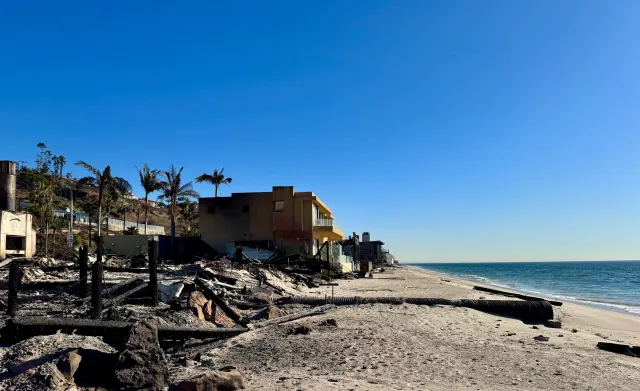
Intended for all California homeowners, residents, resource professionals and other interested community members, these online sessions are offered by the University of California Agriculture and Natural Resources Fire Network and partner organizations. Attendees will learn how to better protect themselves, their households, their properties and communities in a post-fire environment.
“Wildfire recovery does not happen overnight, but there are many organizations and community members committed to helping residents achieve their goals of rebuilding, rehabilitation and revegetation,” said Katie Low, UC ANR Fire Network statewide coordinator.
Researchers from the Fire Network and other UC ANR entities – such as UC Cooperative Extension and the California Institute for Water Resources – will share the latest research related to wildfire impacts on rural and urban communities. Topics include:
- Water Resource Contamination: Monday, Feb. 2 (5:30–7 p.m. PST)
- Soil Contamination and Remediation: Tuesday, Feb. 10 (5:30–6:30 p.m. PST)
- Backyard Chicken and Livestock Safety: Tuesday, Feb. 17 (5:30–6:30 p.m. PST)
- Rebuilding and Structure Loss: Monday, Feb. 23 (5:30–7 p.m. PST)
Attendees can choose to attend any or all of the sessions. Registration information can be found at https://surveys.ucanr.edu/survey.cfm?surveynumber=47549.

Targeted grazing short course slated for February to April
In addition, UC Cooperative Extension, UC ANR Fire Network and UC Davis School of Veterinary Medicine are partnering to offer a series of webinars (every Tuesday from Feb. 17 to April 21) on how targeted grazing can address fuel and vegetation management.
Intended for practitioners, resource managers, landowners and students, participants will learn about the fundamentals of small-ruminant targeted grazing, how to care for animals on targeted grazing jobs, critical business skills and how to integrate the latest technologies. Those who attend at least eight webinars and the field day (at UC Davis on April 25) will receive a certificate of completion. The course is $60 per person.
Space is limited and spots are filling quickly; register by Feb. 13 at https://surveys.ucanr.edu/survey.cfm?surveynumber=47484.