

Tropism (trow-piz-em) n. in botany. An involuntary orientation by an organism or one of its parts that involves turning or curving by movement or by differential growth and is a positive or negative response to a source of stimulation.
Image
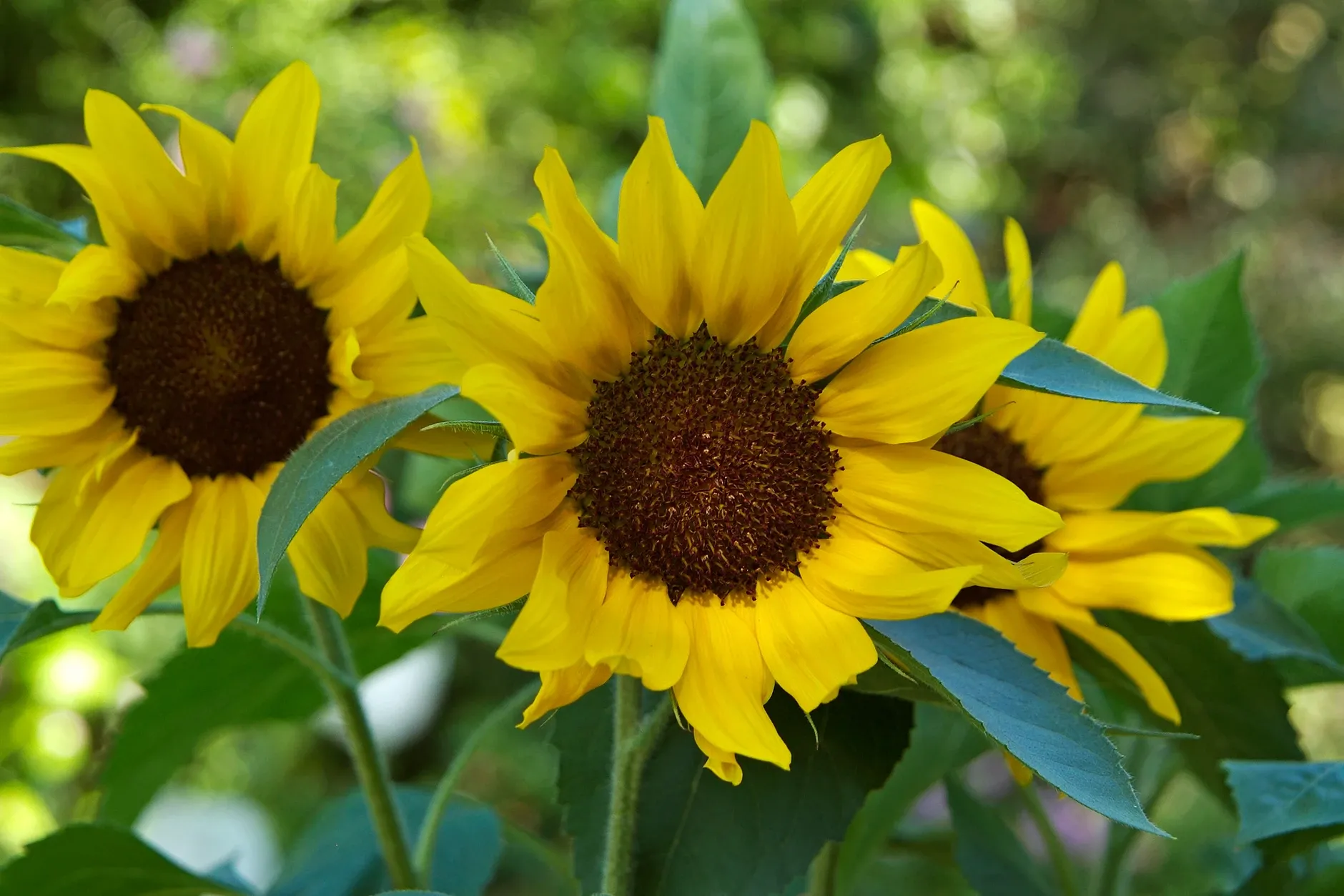
Out of curiosity, I looked up the word for how sunflowers rotate their flower heads toward the sun. I was not surprised to learn that “heliotropism” is just one of many subtypes of tropic movement. This vocabulary lesson will define four of the common subtypes of the concept.
- Phototropism: Anyone who has grown a plant or seen one in the woods or landscape can recognize this concept. Plants need light even if the plant tag says shade or low light requirements. Trees have a strong side that grows more vigorously in the most sun. Both indoor and outdoor plants “reach” for the light (sun) to maximize photosynthesis. The only plants I have seen that look straight up and down when you buy them are houseplants that have been raised under artificial light; they reach straight up.
- Gravitropism: Gravity is the force pushing down toward the earth, e.g., apples “fall” to the earth. We don’t float. Plants also respond to gravity. Specialized cells in the root tips sense the force of gravity and move with gravity into the soil. This is a positive response to gravity. Conversely, plant shoots have specialized cells that counter gravity and grow upward. This is a negative response to gravity.
- Heliotropism: Sunflowers respond to light in a unique way. Hence, it has its own subcategory. The head of the sunflower appears to rotate all day following the sun as it crosses the sky. UC Davis has recently completed groundbreaking research in the physiology of sunflowers. They identified (with surprise) that during the day the stem grows a little bit more on the east side, pushing the head to the west. During the evening the stem grows a little bit more on the west side, pushing the head to the east. Interestingly, sunflowers grown indoors (in labs) with controlled grow lights grow straight up, activating phototropism mechanisms. When they are grown outdoors, the phototropism mechanisms are dormant and the differential growth genes are activated.
A UC Davis biologist studies how sunflowers are able to follow the sun.
- Thigmotropism: The word is long and hard to pronounce but everyone knows plants that do this! The word refers to plants responding to touch or contact with objects. Morning glories, sweet peas, and beans are great examples. The weak vine stems twirl instantaneously around a trellis, string, or other plants, giving them the ability to successfully grow tall.
If this group of words intrigues you, there are more categories of tropism that might interest you.
References:
Author: Cheryl Carmichael, UC Master Gardener
Image