

Indoor plants are a beautiful and practical addition to any home or office, offering numerous benefits that go beyond their aesthetic appeal. These ornamental plants are cultivated indoors and are typically chosen for their ability to thrive in low-light conditions and require minimal maintenance. Most indoor plants are tropical or semi-tropical, including popular plants like succulents, cacti and epiphytes. Not only do they enhance interior design, but they also provide a range of health and environmental benefits.
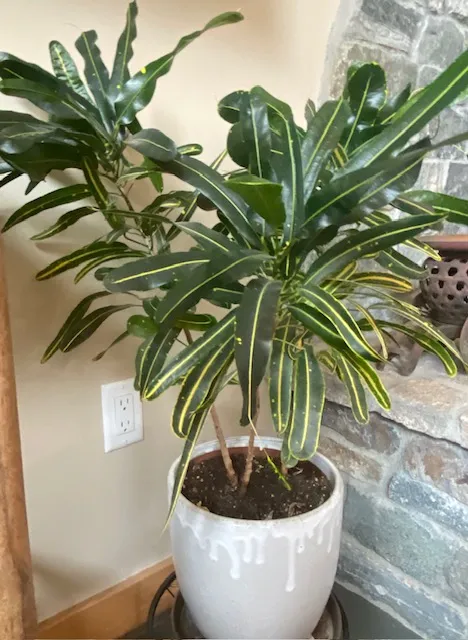
One of the key benefits of indoor plants is their ability to improve air quality. They act as natural air purifiers, absorbing harmful pollutants like carbon monoxide, formaldehyde, ammonia and pollen, while releasing oxygen. This process helps create a cleaner and healthier indoor environment. Studies show that even a single plant can improve air quality by 25%, with even greater results when multiple plants are added. Additionally, plants can help reduce noise pollution by absorbing and deflecting sound, making them a great choice for homes and offices in noisy urban areas.
Indoor plants also contribute to energy savings. By regulating indoor humidity, they help maintain a comfortable temperature, reducing the need for heating and cooling systems. This not only makes your space more eco-friendly but also more cost-efficient. Moreover, the presence of plants has been shown to reduce stress and anxiety. Simply being around greenery can lower blood pressure and improve overall mental well-being. Studies have even found that having plants in the workplace can boost productivity by 38%, enhancing mood, creativity and focus.
Taking care of indoor plants can also have therapeutic effects. The act of nurturing a plant fosters mindfulness, helping to alleviate anxiety and even reduce the severity of depression. However, indoor plant care does come with challenges, and understanding the needs of each plant is essential for their success. Watering is one of the most common challenges, as different plants have varying water requirements. For example, plants with thick, waxy leaves require less water than those with more delicate foliage. Overwatering can lead to root rot, so it's important to check the soil moisture regularly and avoid letting water pool in the pot.
Light is another crucial factor in plant care. Each plant has specific light requirements, with some thriving in low-light conditions while others, like succulents, need direct sunlight. In spaces with limited natural light, artificial grow lights can be a helpful solution. Additionally, selecting the right soil is important for healthy plant growth. Using a well-draining potting mix ensures proper aeration and prevents root suffocation. Fertilizing indoor plants is also necessary, especially during their growing seasons in spring and summer, but care must be taken not to over-fertilize, especially during winter when growth slows down.
Pests can also be a problem for indoor plants. Regularly inspecting plants for signs of pests, like sticky residue or small insects, can help prevent infestations. Cleaning plant leaves to remove dust is another important maintenance task, as it allows for better photosynthesis and helps keep plants healthy. When choosing plants, consider the conditions in your space. For instance, low-light rooms are ideal for plants like ZZ plants or pothos, while dry environments may suit succulents or cacti.
In conclusion, indoor plants offer more than just visual appeal — they improve air quality, reduce stress, and increase productivity. With proper care, they can thrive in your home or office and provide lasting benefits to your well-being. By understanding their needs and maintaining a healthy environment, you can enjoy the beauty and advantages of indoor plants for years to come.
__________________________
Dr. Haramrit Gill is the environmental horticulture advisor for UC Cooperative Extension in
Fresno, Madera, Tulare and Kings counties.