
UC scientists seek consumers to weigh in on new method of controlling Asian citrus psyllids
To understand consumers’ attitudes toward a bio-engineered crop pesticide, University of California Agriculture and Natural Resources researchers are asking for volunteers to participate in focus groups in Riverside, Oakland and Fresno.
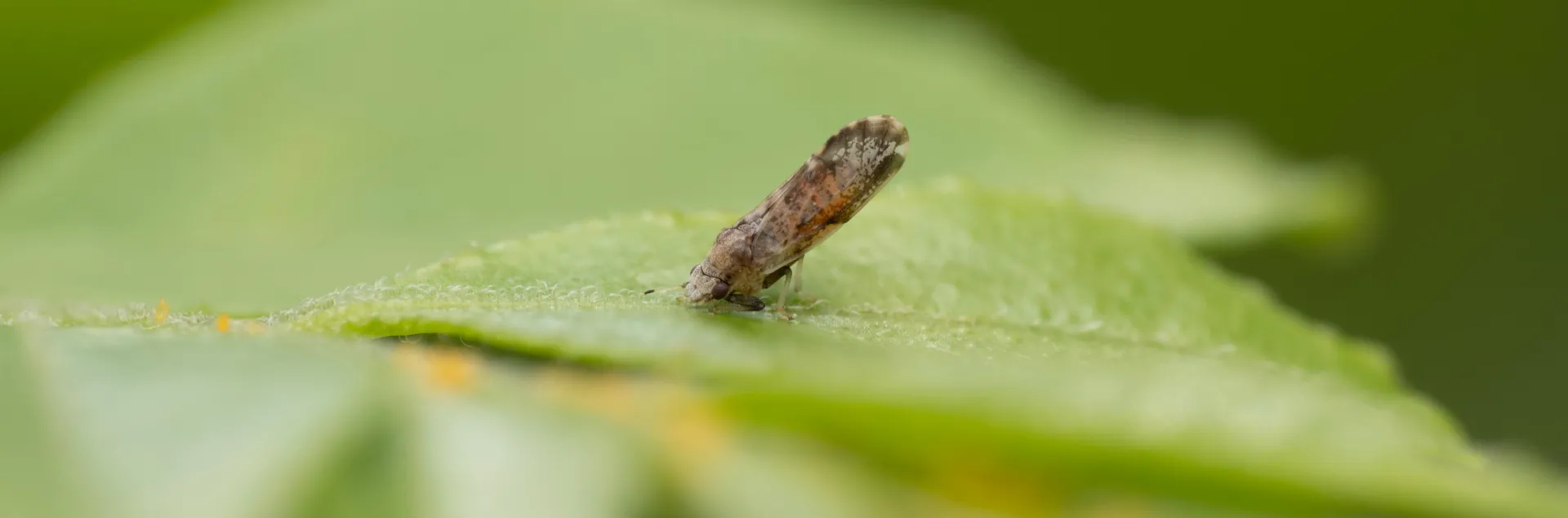
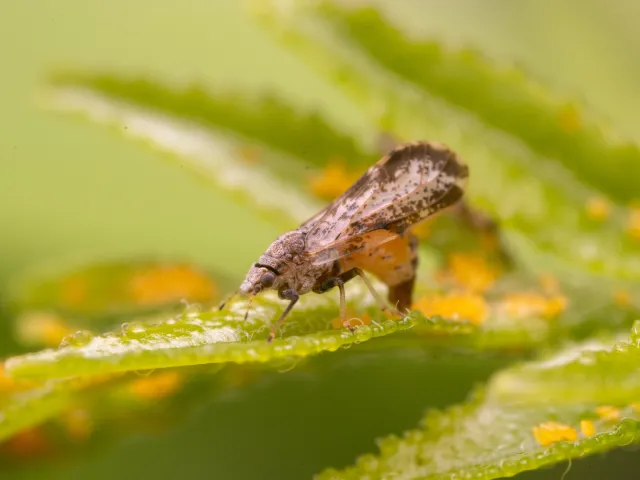
Bacillus thuringiensis, or Bt, is a naturally occurring bacterium being tested to control the spread of Asian citrus psyllid, the insect that spreads the disease huanglongbing to citrus trees. Both the Asian citrus psyllid and huanglongbing have been found in Southern California backyard citrus trees and threaten to spread throughout the state.
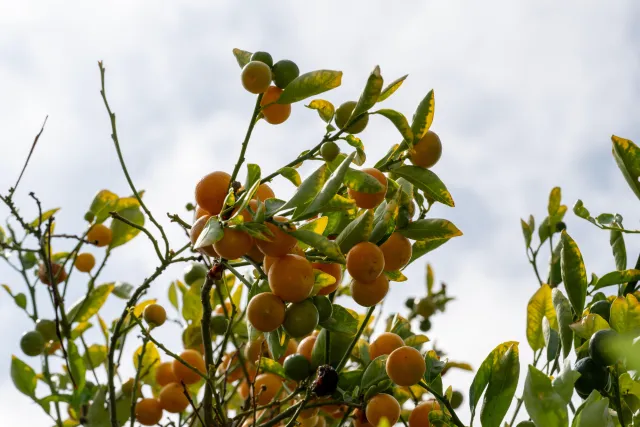
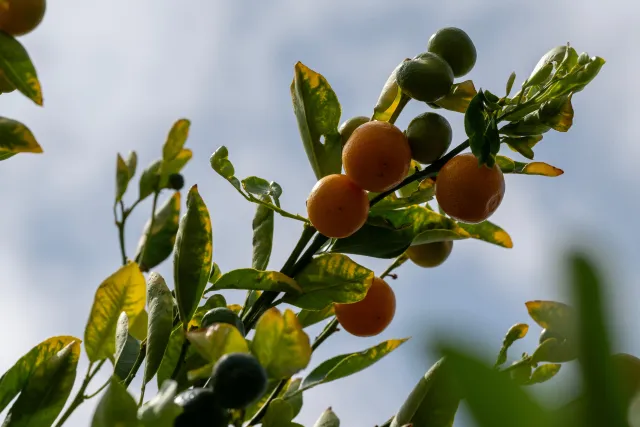
Huanglongbing, also known as citrus greening disease, is a bacterial infection that stunts citrus trees, reduces their fruit production, deforms and greens the fruit and eventually kills the tree. There is no known cure or effective control.
The disease has already devastated Florida’s citrus industry, slashing the state’s orange production by 92% between 2005 and 2025, according to Karen Jetter, associate director and project economist at the UC ANR Policy Institute. By the time the magnitude of the problem was revealed, both Asian citrus psyllid, or ACP, and huanglongbing were widespread in Florida.
“In California, we still have the opportunity to slow the spread of huanglongbing through ACP management,” Jetter said. “This unique technology is designed to be part of a comprehensive ACP management program, not to replace it.”
Jetter and Fiona Ogunkoya, survey researcher at the UC ANR Policy Institute, are conducting focus groups to assess consumer attitudes toward an engineered Bt pest control method that targets Asian citrus psyllids, the primary vector of the disease, to stop the spread of huanglongbing.
The bioengineered pest control strategy, developed in Florida and shown to be effective, uses an engineered citrus tristeza virus to transmit an engineered Bacillus thuringiensis to citrus trees. The Asian citrus psyllid lays eggs on the tender new leaf growth of the trees. After the nymphs hatch, the immature insects consume the modified Bt-infected leaves, become sick and die.
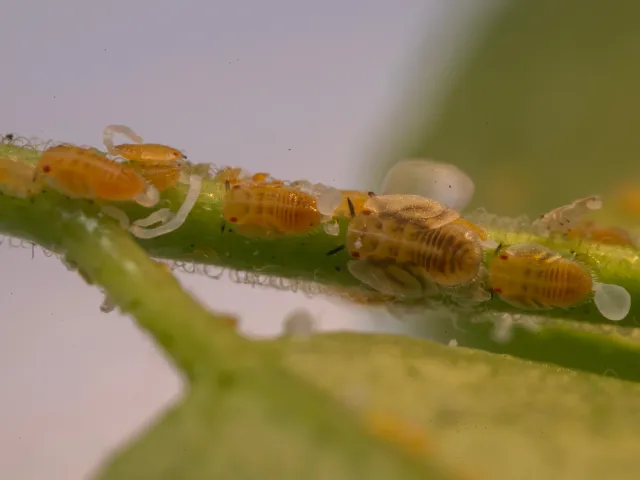
California citrus growers surveyed by Sandipa Gautam, UC Cooperative Extension integrated pest management citrus advisor, said they are interested in the approach. But they growers are concerned that consumers will not accept fruit grown with this new bioengineered insecticide.
To find out what consumers think, the researchers will meet with three focus groups, with each session limited to six to eight people to allow all participants time to express their thoughts.
The 90-minute focus group meetings will be held at UC Cooperative Extension offices in Riverside on March 30 at 6 p.m., in Oakland on April 6 at 2 p.m. and in Fresno on April 8 at 2 p.m. Pizza will be served.
To participate in a focus group, register for a session at https://forms.gle/QPyUd7QazTLfNdATA. To be eligible, participants must be 18 years of age or older and able to attend the focus group in person.