

You'll learn about nematodes, pollinator gardens, dinosaurs and yeast at the speakers' series during the 15th Annual UC Davis Biodiversity Museum Day on Saturday, Feb. 21.
The speakers' series will take place from 4 to 5 p.m. in the Silverado Vineyards' Sensory Theatre, Sensory Building, Robert Mondavi Institute for Wine and Food Science, 392 Old Davis Road. Each speaker will present a 15-minute talk.
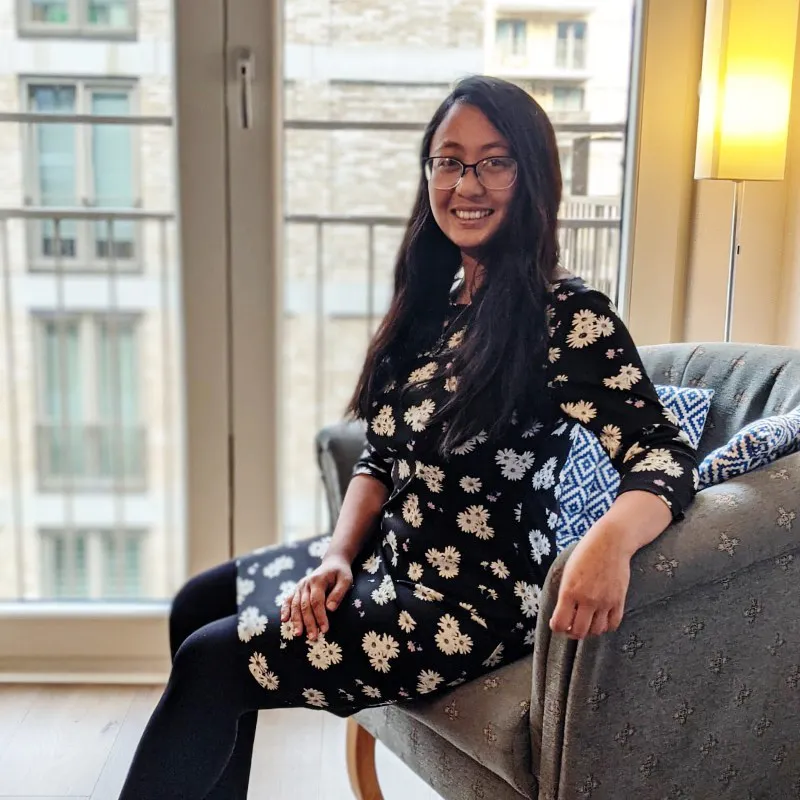
"Space is limited in," said BioDiv Day chair Tabatha Yang, education and outreach coordinator of the Bohart Museum of Entomology, "so it's best to arrive early." The list of speakers, topics. and times:
- 4 p.m.: Pallavi Shakya, doctoral candidate, lab of nematologist Shahid Siddique, UC Davis Department of Entomology and Nematology, "Into the Nematode World."
- 4:15 p.m.: "Samantha "Sam" Murray, education and garden coordinator of The Bee Haven and member of the Elina Niño bee lab, UC Davis Department of Entomology and Nematology, "Creating Your Own Pollinator Haven"
- 4:30 p.m.: Tracy Thomson, PhD, research assistant, UC Davis Earth and Planetary Sciences, "Hobnobbing in the Cretaceous: What's Up With Dinosaur Forelimbs?"
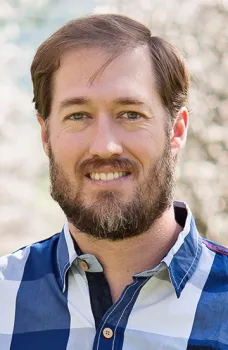
- 4:45 p.m.: Kyria Boundy-Mills, PhD, collection curator and research microbiologist, Phaff Yeast Collection, "Creative Uses of Yeasts."
For example...

Thomson's abstract: "The Alvarezsauridae are a family of theropod dinosaurs characterized by relatively short and highly modified forelimbs. The recent discovery of a new species from Mongolia with unusual spikes and an enlarged claw on its hand prompted the speculative interpretation that it was an egg-eater using its forelimbs for handling and opening hard-shelled eggs. However, animals that eat eggs today do not require specialized limbs or claws to open and eat the contents and the only animals specialized for eating eggs are a few species of snakes which lack limbs altogether."
"I view the egg-eating hypothesis as a 'just-so' story seeking to explain the admittedly enigmatic forelimbs possessed by alvarezsaurid dinosaurs and propose an alternative hypothesis for their function: to facilitate social interactions. Today, many organisms possess specialized and unique biological structures that function to produce, send, and receive signals that communicate specific messages to members of their own species."
"For example, several species of pond turtles possess elongated foreclaws which are used to stroke or 'titillate' females during courtship rituals. Birds of prey engage in cartwheeling where two individuals lock talons and freefall through the air. There are countless examples of such social behaviors associated with signaling found throughout the animal kingdom, many of which are facilitated by unusual or specialized biological structures. Perhaps the enigmatic forelimbs of alvarezsaurids, and structures observed in other fossil organisms, were simply used to communicate and/or receive the signals required for successful social behaviors."
UC Davis Biodiversity Museum Day
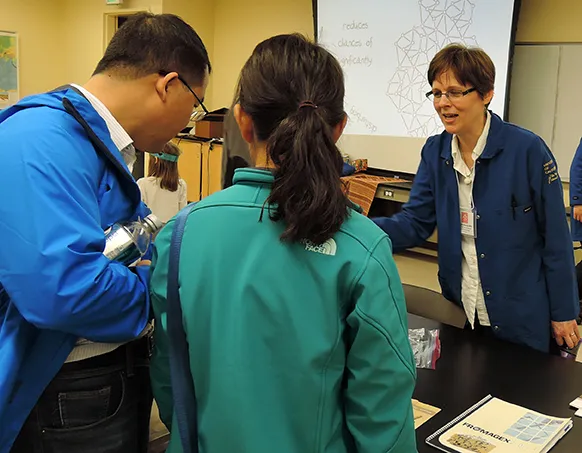
BioDiv Day, a free and family friendly event, will showcase 12 museums or collection across campus within varying times between 9 a.m. to 5 p.m. It's a "Super Science Day" where you watch a carnivorous plant eat a fly, pet a stick insect, photograph a bald eagle, time-travel two billion years, stare down a T. rex, learn how to plant a pollinator garden, try your hand at flintnapping, laugh at yeast jokes, and take home seed cookies for the pollinators.
It's a day to discover, explore and connect, said BioDiv committee chair Tabatha Yang, education and outreach coordinator for the Bohart Museum of Entomology.
The list of participating museums or collections and the hours open:
The Anthropology Museum is temporarily housed in Wickson Hall, West Entrance, while Young Hall is undergoing renovations. Hours: 12 noon to 4 p.m.
Arboretum and Public Garden, Habitat Gardens in the Environmental GATEway, Hours: 12 noon to 4 p.m. At 3 p.m. is the unveiling of two newly completed murals behind the Arboretum Plant Nursery on Garrod Drive. They are the work of UC Davis urban landscape entomologist Emily Meineke and her students (ENT 001: "Art, Science and the World of Insects") and her mentor, UC Davis Distinguished Professor Emerita Diane Ullman, emerita director of the Art/Science Fusion Program, and volunteers.
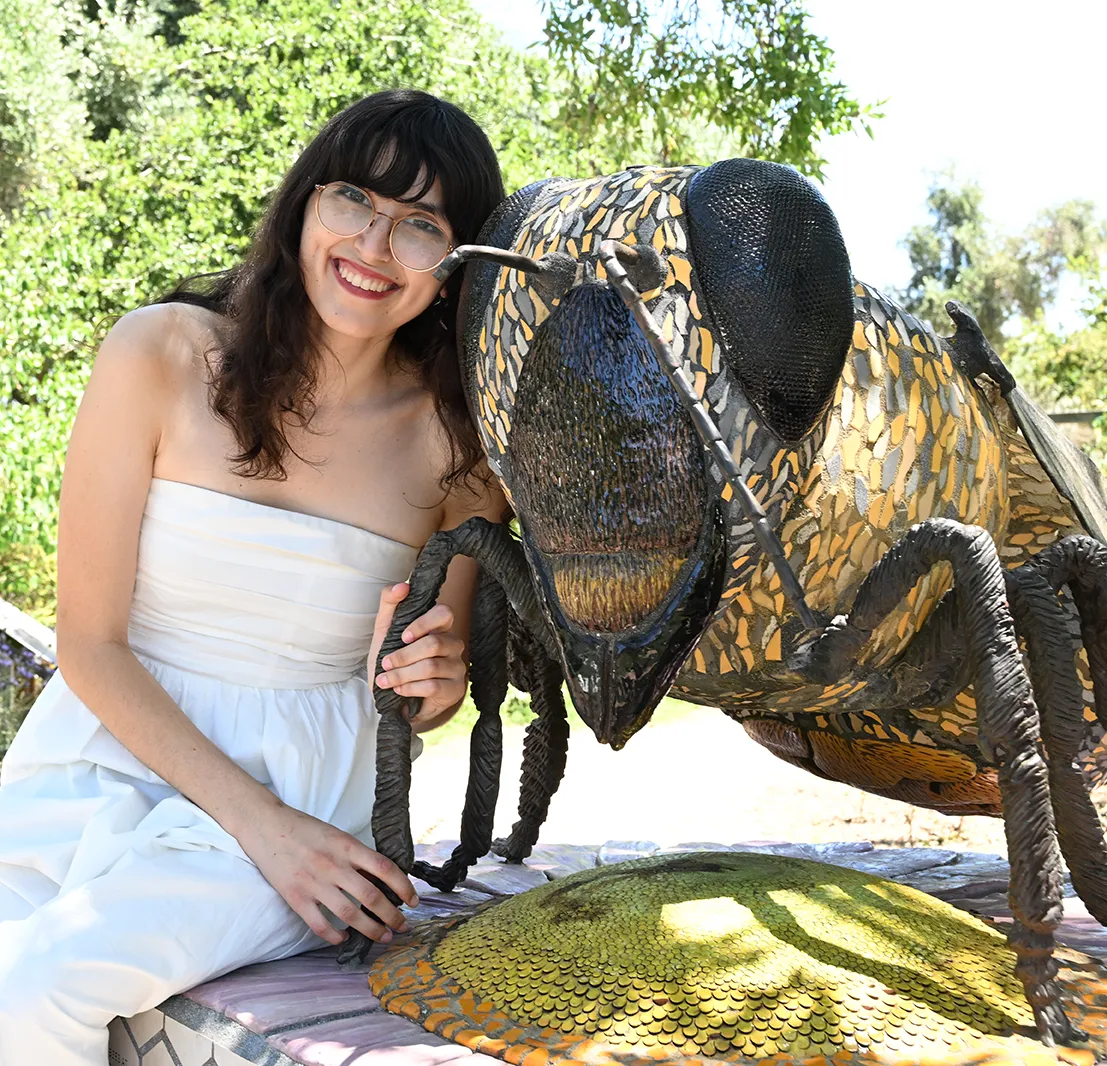
Bee Haven, 1 Bee Biology Road, off Hutchison, then turn onHopkins Road. Hours: 9 a.m. to 1 p.m.
Bohart Museum of Entomology, Room 1124, Academic Surge Building, and hallway, 455 Crocker Lane. Hours: 12 noon to 4 p.m.
Botanical Conservatory, Kleiber Hall Drive. Hours: 11 a.m. to 3 p.m.
California Raptor Center, 1340 Equine Lane, off of Old Davis Road. Hours: 9 a.m. to 3 p.m.
Center for Plant Diversity (Herbarium),1026 Katherine Esau Science Hall. Hours: 10 a.m. to 2 p.m.
Design Museum, 124 Cruess Hall, 375 California Ave. Hours: 12 Noon to 4 p.m.
Museum of Wildlife and Fish Biology, Academic Surge Building, 455 Crocker Lane. Hours: 10 a.m. to 2 p.m.
Nematode Collection, 1026 Katherine Esau Science Hall. Hours: 10 a.m. to 2 p.m.
Paleontology Collection, Department of Earth and Planetary Sciences Paleontology Collection, Room 1309, Crocker Lane. Hours: 12 noon to 4 p.m.
Phaff Yeast Culture Collection, Robert Mondavi Institute Brewery and Food Processing Facility. Hours: 10 a.m. to 2 p.m.
More than 300 faculty, students and staff will be staffing the displays. Maps can be downloaded on the website and also will be available onsite. Food vendor trucks will be parked by the Katherine Esau Science Hall.
For more information see the BioDiv web site at https://biodiversitymuseumday.ucdavis.edu/. The Department of Entomology and Nematology website has a list of the activities planned at each site. See https://tinyurl.com/y8a9wf2s
Cover Image: A sign, Biodiversity Museum Day, points the way. (Photo by Kathy Keatley Garvey)