

Yu Meng offers tips for reducing food waste from holiday feasts
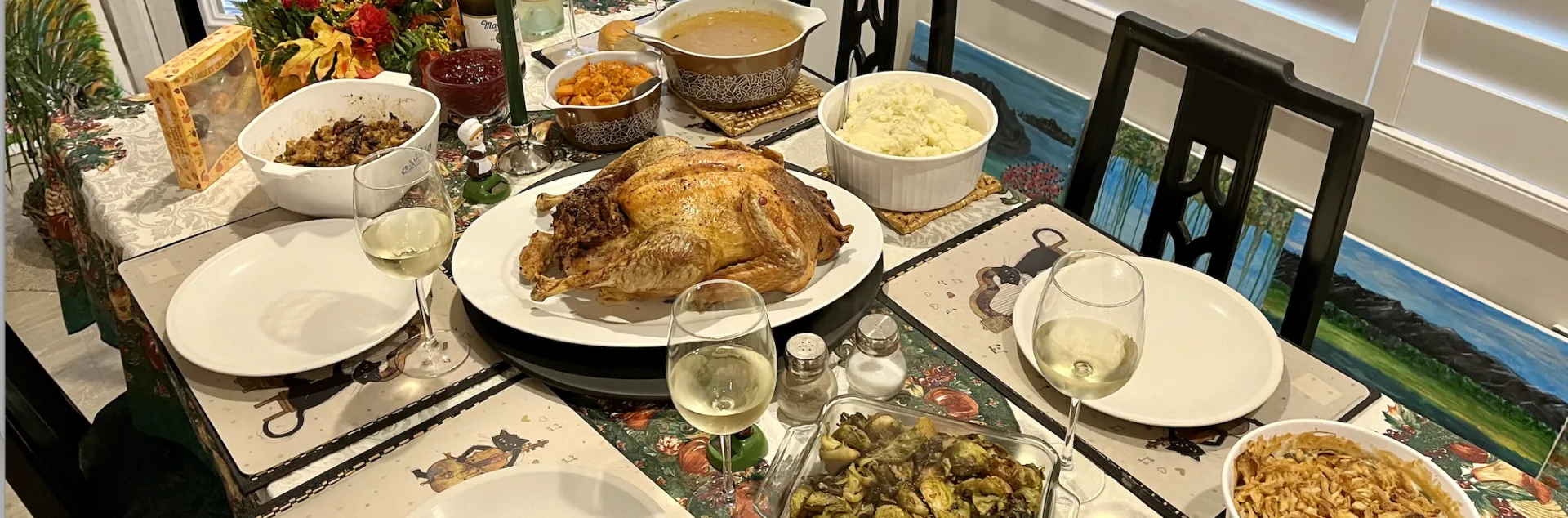
‘Tis the season for celebrating with food. Lots of food. Enough food to feed the whole neighborhood.
And that often leads to leftovers and food waste.
The average U.S. household wastes nearly 32% of the food it purchases. By throwing away less food, a family of four could save $2,913 per year, according to the U.S. Environmental Protection Agency. That’s $56 per week.
Yu Meng, UC Cooperative Extension youth, family and communities advisor in Riverside County, studies household food waste reduction.
“Food waste occurs everywhere along the food chain, and 48% of food waste occurs in the home,” Meng said.
Saving food not only saves money but also saves all the resources required – such as land, water, labor and gas – to grow and bring food to your table.
Whether you’re motivated to reduce food waste to save money, minimize methane emissions from landfills or just set a good example, there are several ways to adopt this sustainable practice .
Many ways to prevent food from going to landfills
To reduce food waste at home, Meng recommends starting with meal planning and making a shopping list so you buy only what you need.
“It is important you stick to your shopping list,” Meng said. “Don’t shop when you are hungry because you likely will purchase more than you wanted to, and oftentimes those are unhealthy options.”
According to Meng’s study, people tend to make more food than they need, especially when they are hosting – which of course happens quite a bit during the holiday season.
“By planning meals, you can cook the right amount for the number of people you expect to feed,” Meng said. “If you have leftovers, store or freeze them, repurpose them for other meals, share with neighbors or feed them to your pets.”
Although feeding “people food” to pets is a common practice, take a moment and ensure there are no ingredients that can harm your pet.
If you have packaged products, such as canned goods you won’t use, donate them to food banks and other charitable organizations.
For food that can’t be eaten, Meng recommends putting it in compost bins or green bins rather than in the trash cans headed for a landfill.
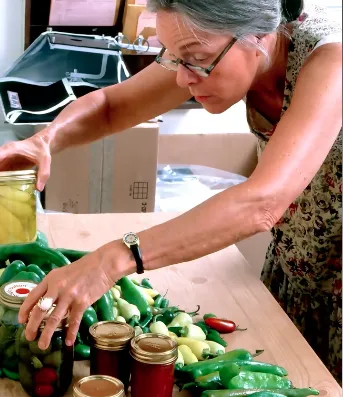
To learn how to safely preserve food by canning, freezing or drying to eat later, the UC Master Food Preserver Program offers classes and resources at https://ucanr.edu/program/uc-master-food-preserver-program.
UC ANR staff and volunteers want to reduce food waste
Meng and UC ANR colleagues studied household food waste reduction awareness, attitudes, motivators, barriers and practices of 1,566 UC ANR staff and volunteers in UC ANR statewide programs. These programs include the Expanded Food and Nutrition Education Program, CalFresh Healthy Living UC, 4-H, UC Master Gardeners and UC Master Food Preservers.
They conducted the survey to understand their readiness to educate consumers about reducing household food waste and, if needed, to develop appropriate training to prepare them to deliver food waste reduction messages.
They found that UC ANR staff and volunteers are motivated to reduce food waste to save money, set a good example, manage their home more efficiently and make a difference in the world.
Although 80% of staff and volunteers are aware of the food waste issue, 60% were not aware of CA State Bill 1383, which aims to divert food waste from landfills. Also, 81% were not teaching food waste reduction strategies to their participants. The top motivators and barriers to reducing food waste were different among the programs and individuals’ roles. Curriculum and other educational resources along with training were the top two needs identified for them to include food waste reduction education in their programs.
The study by Marisa Neelon, UCCE community nutrition and health advisor emeritus; Meng; Danielle Lee, Nutrition Policy Institute director of communications and research engagement; Natalie Price, UCCE community nutrition and health advisor; UCCE and Susana Matias, UCCE specialist at UC Berkeley, is published at https://www.sciencedirect.com/science/article/abs/pii/S1499404624002550. Their full report is at https://ucdavis.app.box.com/s/67ea8cmrovypj96whv8nwbe8336cxo3m.
They assembled a toolkit for food-waste reduction education in Box at Toolkit curriculum: https://ucdavis.box.com/s/267nguk1ptwt2h77jjiaxq8zv1sq2521
More resources are at https://ucdavis.app.box.com/s/tgxd5vm1tct5kkdbj8hontc9c23kwnma.
"I would love to hear from UC ANR colleagues who are interested in the toolkit and Box resources,” Meng said. If you have feedback or would like to discuss food-waste reduction education with Meng, she can be reached at ucmeng@ucanr.edu.
Related resources:
USDA: https://www.usda.gov/about-usda/news/blog/tips-reduce-food-waste-thanksgiving
ReFED: https://refed.org/articles/americans-will-waste-nearly-312-million-pounds-of-food-this-thanksgiving/
