
Youth Development
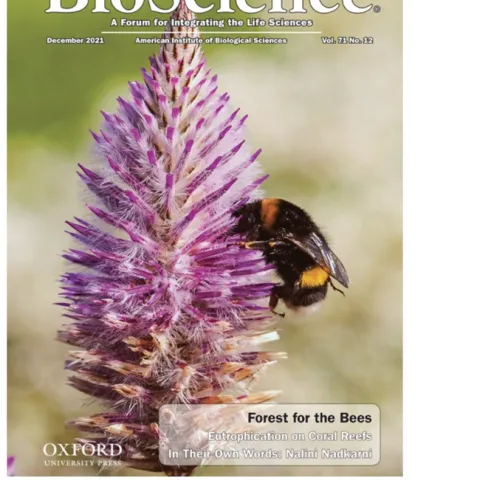
Do Forests Play a Role in Bumble Bee Life History?
December 16, 2021
By Kathy Keatley Garvey
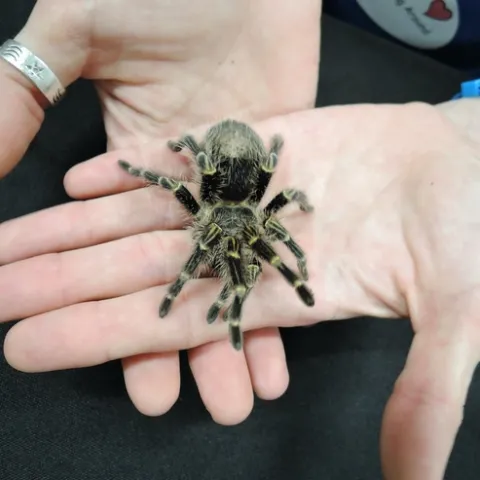
Why You Should Clear Your Calendar for March 6, 2022: UC Davis Biodiversity Museum Day!
December 15, 2021
By Kathy Keatley Garvey
NPI to conduct evaluation of California’s Free School Meals for All legislation with funding from the California state legislative office
December 15, 2021
By Danielle Lee, Wendi Gosliner, Lorrene D Ritchie
First-of-its-kind report, surveying 26,000 WIC participants in 12 States, indicates need for post-pandemic flexibilities in WIC services
December 14, 2021
By Danielle Lee, Lorrene D Ritchie
NPI and National WIC Association to conduct evaluations in 5 states of WIC Cash Value Benefit increases for participants to buy fruit and vegetables
December 8, 2021
By Danielle Lee, Lorrene D Ritchie
New policy brief shows more veggies and fruits for WIC families is a win for California and the nation
December 6, 2021
By Danielle Lee, Lorrene D Ritchie
New study suggests that a strong drive for thinness during adolescence can lead to weight gain and compulsive eating in women in their adult years
November 29, 2021
By Danielle Lee, Lorrene D Ritchie
New study suggests Harvest of the Month curriculum increases fruit and vegetable intake in school children
November 24, 2021
By Danielle Lee