UC ANR is committed to providing an accessible and inclusive web experience for all users. If you encounter an accessibility barrier or need content in an alternative or remediated accessible format, please contact anraccessibility@ucanr.edu.
By Danielle Lee, Lorrene D Ritchie, Wendi Gosliner
The COVID-19 pandemic exacerbated food and nutrition challenges. Many families initially lost access to meals offered by school and childcare facilities, experienced unemployment or work reductions, and faced increasing prices for food and other necessities.
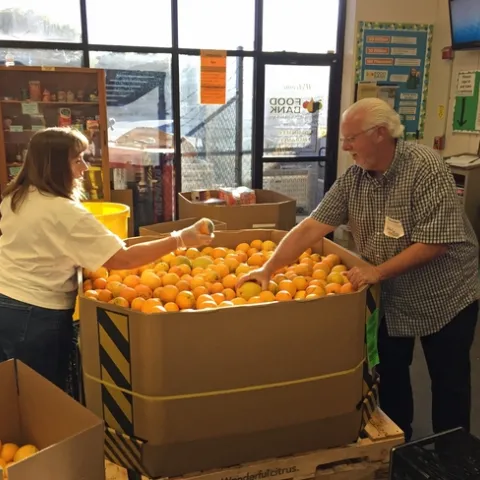
New tool helps assess policies and practices An estimated 53 million people in the U.S. turned to food banks and community programs for help putting food on the table in 2021.
Ibrahim Yaaseen, member of the Palos Verdes Peninsula (PVP) 4-H club, grabs a hard hat and places it on top of his head. He then reaches for a bright orange safety vest and goggles to complete his safety gear outfit before joining the rest of his club members who are dressed the same.
The USDA recently proposed changes to the Supplemental Nutrition Program for Women, Infants, and Children (WIC) food packages, which includes a permanent increase to the cash value benefit (CVB) for the purchase of fresh fruits and vegetables.
By Danielle Lee, Christina E Hecht, Lorrene D Ritchie
Researchers conducted a small community-based participatory research pilot of a drinking water intervention in the Navajo Nation and found that caregivers' reported knowledge of Din (Navajo) traditions about water doubled and that the influence of Din traditions on beverages they offered their child...
Investigadores de la UC identifican barreras al Crdito Tributario por Ingreso del Trabajo, que proporciona hasta $ 7K cada ao por familia Aproximadamente 1 de cada 4 californianos que son elegibles para el Crdito Tributario por Ingreso del Trabajo en realidad no lo reciben, y los investigadores de l...
By Danielle Lee, Lorrene D Ritchie, Christina E Hecht
California's San Joaquin Valley is home to many low-income Latino agricultural-worker families who disproportionately experience food insecurity and diet-related diseases. Yet free school meal participation is surprisingly low.