Irrigated Pastures

UCCE Humboldt - Del Norte Counties: Page

Humboldt/Del Norte Pasture and Rangeland

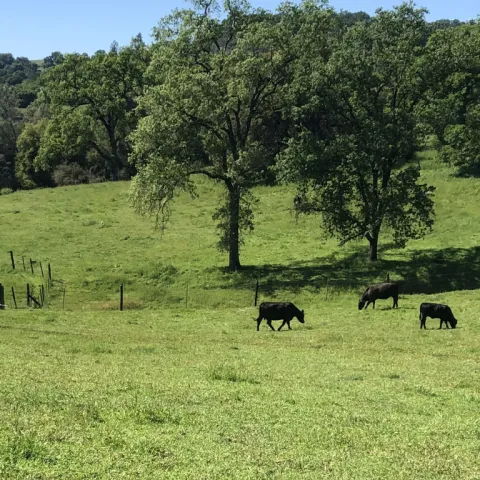
Humboldt County has some of the most productive pastures and rangeland in the United States due to our temperate, climate, fertile soils, and abundant rainfall. Pasture production can be improved by using improved varieties of grass and clover and by fertilizing.
View Page
UC Master Gardener Program of Sonoma County: Page

Key considerations when implementing a drip system

Topography: This refers to land surfaceshills, slopes, north/south orientation, valleys, rivers, lakes, (natural or artificial features)or buildings. All of these affect air and water flow and can create microclimates in your own yard.
View Page
Primary Image
drip irrigation basics for the home gardener
UC Master Gardener Program of Sonoma County: Page

Drip Irrigation Basics

Installing drip irrigation involves using specialized equipment.
View Page
UC Master Gardener Program of Sonoma County: Page

Drip irrigation in different landscape situations

Drip irrigation can be used to water trees, plants in containers, raised beds, and many other landscape situations. The amount of water needed and frequency of application varies greatly depending on plant species, soil conditions, and the local environment.
View Page
Primary Image
Master Gardener Information Desk for home gardener advice
UC Master Gardener Program of Sonoma County: Page

Information Desk

Get free expert help with garden problems and advice from the UC Master Gardener Program of Sonoma County Information Desk supported by research-based information from the University of California and other academic or government institutions.
View Page
Primary Image
A person looking at a bottle of 20% acetic acid vinegar weed killer with a signal word DANGER.
Pests in the Urban Landscape: Article

Can I Use Vinegar to Control Weeds?

July 18, 2024
By Lauren Fordyce
Acetic acid, also known as vinegar, is used in products for weed control. Many people choose it because it is natural. However, acetic acid can damage skin and eyes, especially at concentrations commonly found in weed killers.
View Article
Primary Image
A small green plant with long, narrow leaves in a bed of brown wood bark mulch.
Pests in the Urban Landscape: Article

Nutsedge—Yes, We Hate It Too!

June 26, 2024
By Belinda Messenger-Sikes
Nutsedges are aggressive and persistent weeds that commonly infest lawns, vegetable and flower gardens, and landscapes. These perennial sedges are a problem in lawns because they grow faster than turfgrasses and result in non-uniform turf.
View Article
Primary Image
A hand holding a dark green aquatic plant.
Pests in the Urban Landscape: Article

Invasive Pest Spotlight: Hydrilla

June 5, 2024
By Lauren Fordyce
Hydrilla (Hydrilla verticillata) is an invasive, aquatic weed that can be found in many slow-moving fresh water bodies in California. The plant forms large mats that can crowd out native plants, restrict water flow, and interfere with boating and fishing.
View Article