Plant Diseases

Primary Image
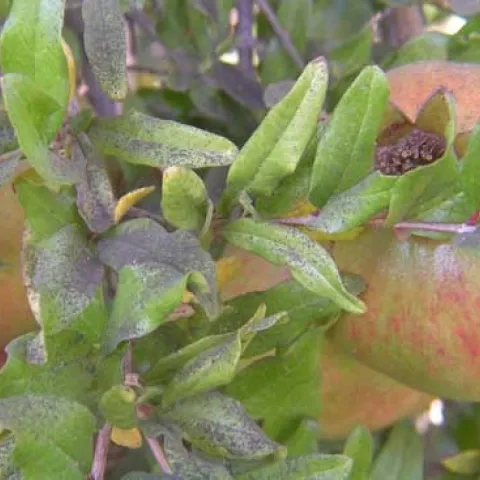
Close up photo of blackish sooty mold covers a branch of green pomegranate leaves and some pomegranate fruit.
Pests in the Urban Landscape: Article

Finding Soot Afoot? It Could be Sooty Mold

October 6, 2020
By Belinda Messenger-Sikes, Karey Windbiel-Rojas
Sooty mold is a black fungal growth that looks like a layer of soot covering the leaves of a plant or a sidewalk. The aptly named disease is common in gardens and landscapes, appearing wherever a large infestation of plant-sucking insects are found.
View Article
Primary Image
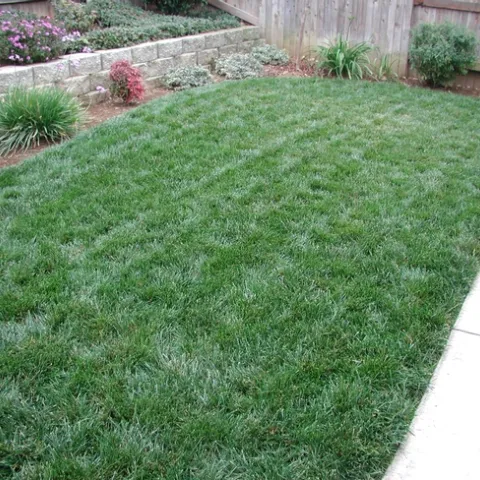
Figure 1. A healthy backyard lawn. (Credit: C Reynolds)
Pests in the Urban Landscape: Article

Lawn Problems: Diseases Are Not Always To Blame

July 16, 2020
By Janet S Hartin
Your customers want their lawns to be beautiful and functional (Figure 1) but dead patches or other problems sometimes occur. Figuring out the cause of turfgrass damage can be a challenge since many plant pathogens affect grasses as well as numerous abiotic (non-living) disorders.
View Article
Primary Image
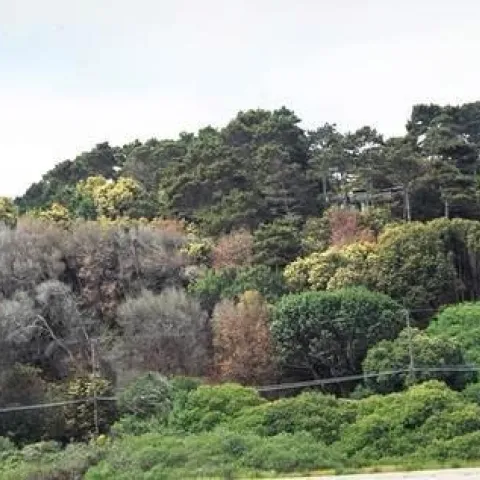
Tanbark oaks killed by Phytophthora ramorum. (Credit: P Svihra)
Pests in the Urban Landscape: Article

Invasive Spotlight: Sudden Oak Death

June 7, 2020
Sudden oak death is a disease of oak trees that is caused by an invasive plant pathogen Phytophthora ramorum. The disease has been found infecting trees in coastal California counties from Monterey to Humboldt and can be spread by moving infested soil and plant material. In California, P.
View Article
Primary Image
Black leaf spots caused by Chinese elm anthracnose.<br>(Credit: Jack Kelly Clark)
Pests in the Urban Landscape: Article

Anthracnose Pest Note Updated

May 14, 2020
Anthracnose is a group of fungal diseases that infect many trees and shrubs, causing dark lesions on leaves and cankers on twigs and stems. In some areas of California, vegetables and turfgrass can also be infected with anthracnose. Symptoms of anthracnose vary by plant host and weather conditions.
View Article
Primary Image
Powdery mildew damage on tomato leaves. (Credit: Jack Kelly Clark)
Pests in the Urban Landscape: Article

April Gardening Tips: Powdery Mildew

April 23, 2020
As you practice social distancing during COVID-19, you may find yourself spending more time in the garden. As we move into nice weather, we are sharing a few gardening tips for pest management. Check for signs of powdery mildew on fruit trees, landscape ornamentals, and vegetables.
View Article
Primary Image
Close up of top and bottom of rose leaves infected with rose rust.
Pests in the Urban Landscape: Article

Are Your Roses Diseased?

March 17, 2020
Roses in the garden can be infected with a variety of bacteria, fungi, and viruses, leading to diseases like powdery mildew and rust. Roses may also be damaged by nutrient deficiencies and other environmental problems.
View Article
Primary Image
Armillaria mushrooms grow in clusters, have a ring around their stem, and are tan to honey colored. (Credit: J Turney)
Pests in the Urban Landscape: Article

Armillaria Root Rot in Landscape Trees

February 20, 2020
Armillaria root rot is a severe fungal disease that affects trees, woody plants, and some herbaceous plants including palms and succulents.
View Article
Primary Image
A conk, the fruiting body of the fungus <i>Phellinus ignarius</i> on black walnut. (Credit: AJ Downer, UCCE Ventura County)
Pests in the Urban Landscape: Article

Wood Decay Fungi in Landscape Trees

August 23, 2019
Landscape trees provide welcome shade, fruit, homes for wildlife, and even a place for kids to climb. But if the wood is damaged, disease-causing fungi can infect the tree. A number of fungal diseases decay wood in both tree branches and trunks, weakening and sometimes killing the tree.
View Article