UC ANR is committed to providing an accessible and inclusive web experience for all users. If you encounter an accessibility barrier or need content in an alternative or remediated accessible format, please contact anraccessibility@ucanr.edu.
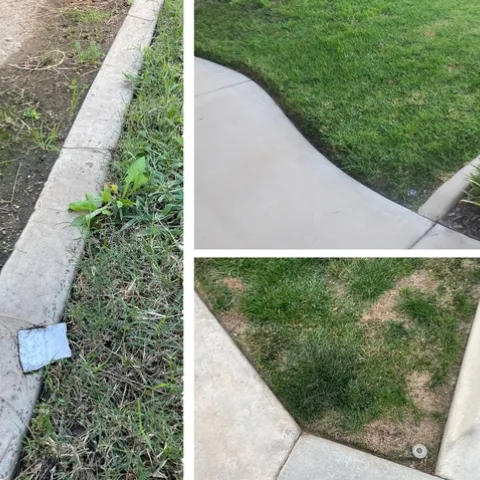
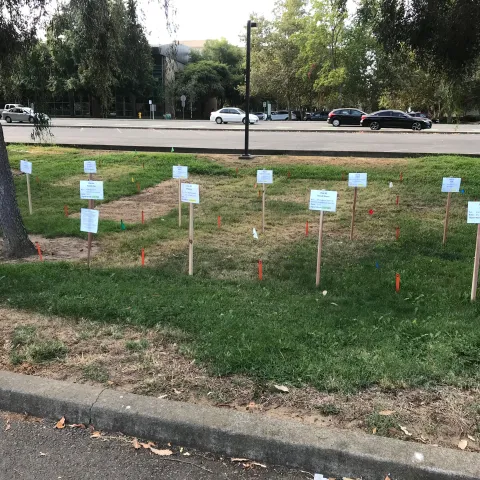
Weed management in landscaped areas can be challenging. Weeds may need to be controlled for public safety, fire reduction, aesthetics, and elimination of harborage for other pests.
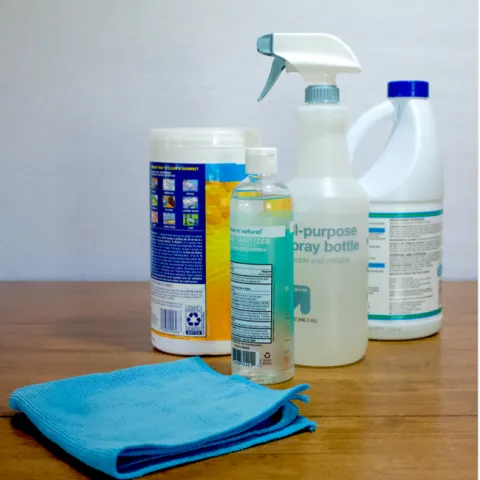
With Respiratory Syncytial Virus Infection (RSV) on the rise, and Covid-19 and the flu remaining constant worries, disinfectant products are more and more likely to be used in the home, office, school, restaurant, and other public areas.
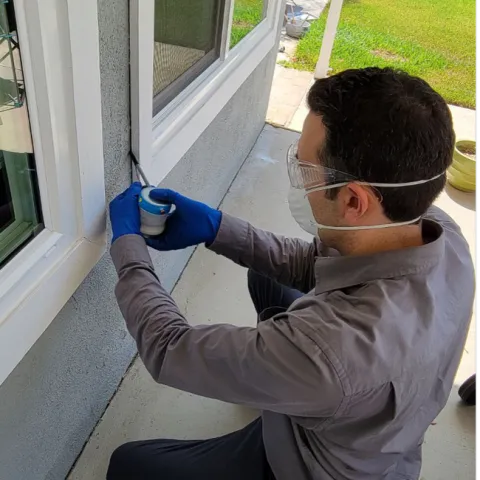
Where is rodenticide exposure in wildlife coming from? Is it from use by residents or farmers? Applications by marijuana growers? Or from applications by qualified and trained structural pest control professionals?
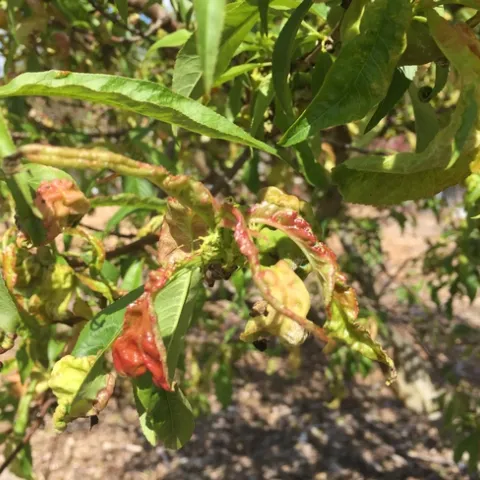
If you have peach or nectarine trees that typically have distorted or reddened leaves in spring, they may be affected by peach leaf curl. Peach leaf curl is a fungal disease caused by a fungus that only affects peach and nectarine trees.
The Centers for Disease Control and Prevention issued a Health Advisory recently in response to increased reports of illness associated with products containing the pesticide ivermectin.
If your company does residential landscape pest control, your employees should be trained to know what to do when they encounter a vegetable garden, or fruit or nut trees in a yard (Figure 1).
The California Department of Food and Agriculture's (CDFA) State Organic Program (SOP) is issuing this Stop Use Notice regarding the use of W.O.W. (WHACK OUT WEEDS!) and ECOMIGHT-PRO products manufactured by EcoMight LLC. These products are herbicides that are marketed and labeled as organic. W.O.
Instructions for making homemade mixtures to control pests are easy to find online and in social media, and it's tempting to make your own home remedy when pests invade.