Gardening

Primary Image
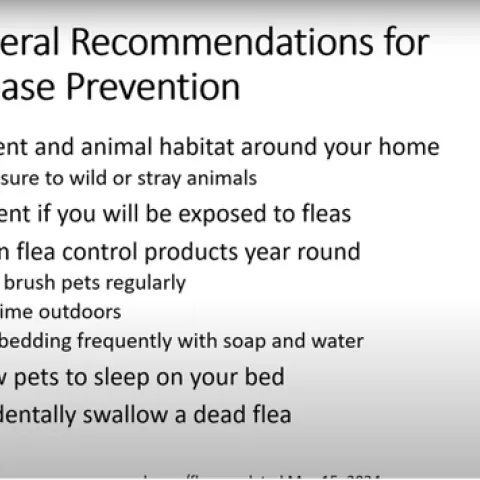
CDC General Recommendations for Flea Disease Prevention: reduce rodent and animal habitat around your home; limit exposure to wild or stray animals; wear repellent if you will be exposed to fleas; keep pets on flea control products year round; bathe and brush pets regularly; limit pet time outdoors; clean pet bedding frequently with soap and water; do not allow pets to sleep on your bed; do not accidentally swallow a dead flea.
Pests in the Urban Landscape: Article

Fleeing Fleas!

August 15, 2024
By Lauren Fordyce
Fleas can be found on pets year-round, but populations tend to increase dramatically in spring and summer when temperatures are warmer. Larvae develop rapidly in areas where temperatures reach 70 to 90F.
View Article
Primary Image
Pest tips for August
Pests in the Urban Landscape: Article

August Pest Tips

August 7, 2024
By Lauren Fordyce
Summer is in full swing and while it's been quite hot in many parts of California, it's been very cool in others.
View Article
Primary Image
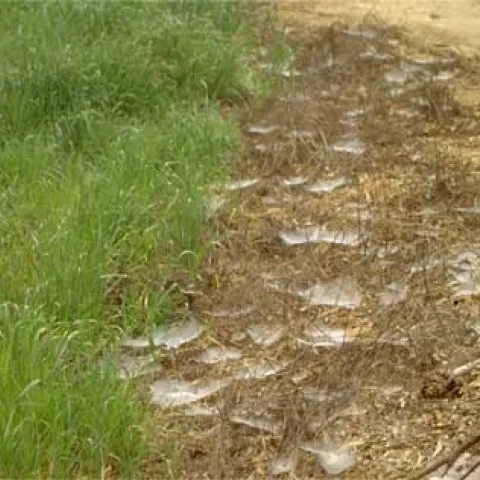
Cobwebs on top of a patch of brown grass.
Pests in the Urban Landscape: Article

Cobwebs Everywhere?

July 30, 2024
By Lauren Fordyce
Are you noticing an abundance of cobwebs outside, on plants, fences, homes, or outdoor furniture? While many people fear spiders or dislike their cobwebs, most spiders are beneficial to have around even in the home! Spiders are predators of many insect pests and rarely cause harm to people.
View Article
Primary Image
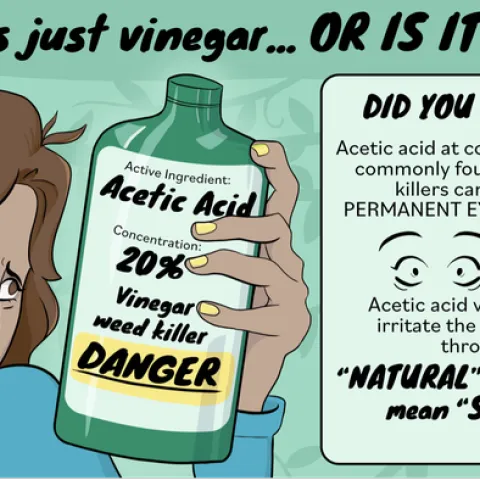
A person looking at a bottle of 20% acetic acid vinegar weed killer with a signal word DANGER.
Pests in the Urban Landscape: Article

Can I Use Vinegar to Control Weeds?

July 18, 2024
By Lauren Fordyce
Acetic acid, also known as vinegar, is used in products for weed control. Many people choose it because it is natural. However, acetic acid can damage skin and eyes, especially at concentrations commonly found in weed killers.
View Article
Primary Image
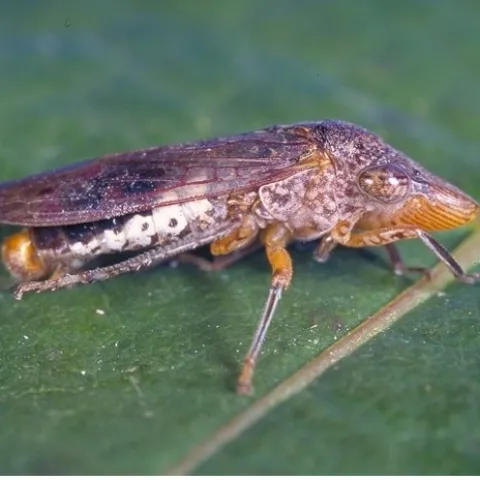
A long, speckled brown insect with a pointed head on a green leaf.
Pests in the Urban Landscape: Article

What are exotic and invasive pests?

July 16, 2024
By Belinda Messenger-Sikes
Exotic and invasive pests threaten California's natural environments, agricultural production, structures, landscapes and gardens. Exotic pests are organisms introduced into an area beyond their natural range and become pests in the new environment.
View Article
Primary Image
A canal of water next to a fenced area with residential homes and trees.
Pests in the Urban Landscape: Article

Urban Pesticides, Fertilizers, and Water Quality

July 14, 2024
By Belinda Messenger-Sikes
Pesticides and fertilizers applied around homes, residential or commercial landscapes, school sites, and other areas can enter our creeks, rivers, and oceans, degrading water quality.
View Article
Primary Image
The OMRI seal may appear on pesticides determined as organically acceptable by the Organic Materials Review Institute.
Pests in the Urban Landscape: Article

Organic, Natural, and Less Toxic: What’s the Difference?

July 11, 2024
By Lauren Fordyce, Belinda Messenger-Sikes, Karey Windbiel-Rojas
You've heard of terms such as green, organic, natural, ecofriendly, and less toxic to describe pest control products and services. But what do these terms really mean? To different people, they can mean different things, creating obvious confusion.
View Article
Primary Image
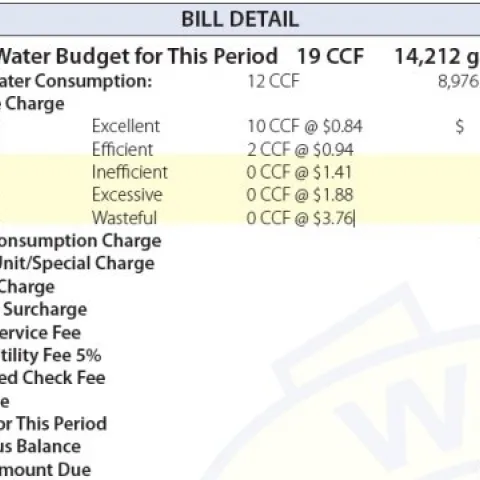
Line items of a sample water bill
Over the Fence (Alameda County): Article

8 Water Wise Tips That You Can Start Today

July 8, 2024
By Jim Farr
Stay waterwise this summer with practical tips for gardeners to conserve water and keep landscapes healthy from the UC Master Gardeners of Alameda County.
View Article