Know your planting zones
Successful gardeners know to have healthy and happy plants, is knowing how to select the right plant for the right place. Knowing your climate, sun light, irrigation and soil requirements for plants are the first steps in selecting the "Right Plant for the Right Place".
Factors Influencing Plant Survival
Many factors influence the success or failure of plants. Cold, heat, wind, soil type, soil moisture, humidity, pollution, snow, and winter sunshine can significantly impact plant survival. The placement of plants in the landscape, how they are planted, and their size and health may also affect their survival.
Light
Plants have various requirements for sunlight to thrive. Get to know your landscape and how the sun moves throughout the day. Keep in mind that buildings, trees, and shrubs can shade areas in your landscape, affecting sunlight exposure.
Soil Moisture
Plants have different requirements for soil moisture, which may vary seasonally. The type of soil, whether it be clay, sandy or loam drains at different rates affecting the soil's water retention
Temperature
Plants have various cold and heat tolerances. Knowing your climate zone is extremely helpful.
Humidity
Humidity affects moisture loss from leaves. High relative humidity limits cold damage by reducing moisture loss from leaves, branches, and buds. Cold injury can be more severe if the humidity is low, especially for evergreens.
What are Microclimates?
Almost all landscapes and gardens have microclimates. Microclimates are variations in your landscape or yard. Hardscape features such as blacktop and concrete, or cool spots caused by small hills and valleys, create variances. Individual gardens also may have very localized microclimates. Your landscape, whether it's sheltered or exposed, can differ from the surrounding area. South-facing walls can be warmer, and low spots in your landscape can create cold-air pools.
Determining your Planting Zone
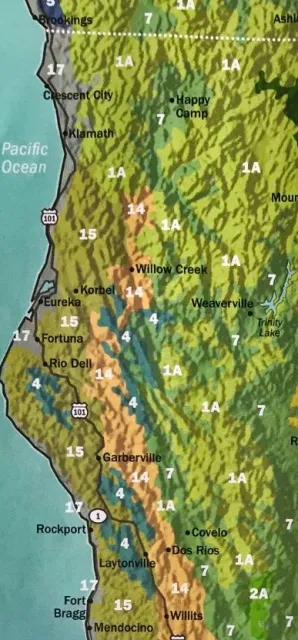
The Western Sunset Gardening Zones takes into account the total climate—length of growing season, rainfall, the winter lows and the summer highs, wind and humidity. Your garden library would benefit with the latest publication of this book.
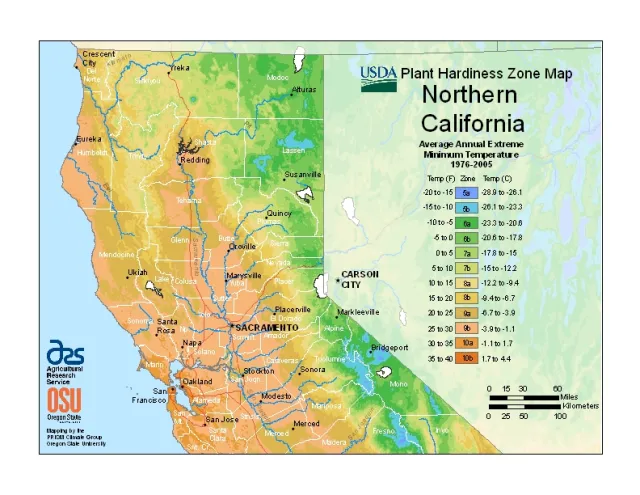
The USDA Cold Hardiness Zone map is based on the average annual extreme minimum temperature during a 30 year period in the past, not the lowest temperature that has ever occurred or might occur in the future. USDA Planting Zone Interactive Map is a tool where you input your zip code and the map will indicate the cold hardiness zone.
The AHS Heat Zone has more information on climate zones.