
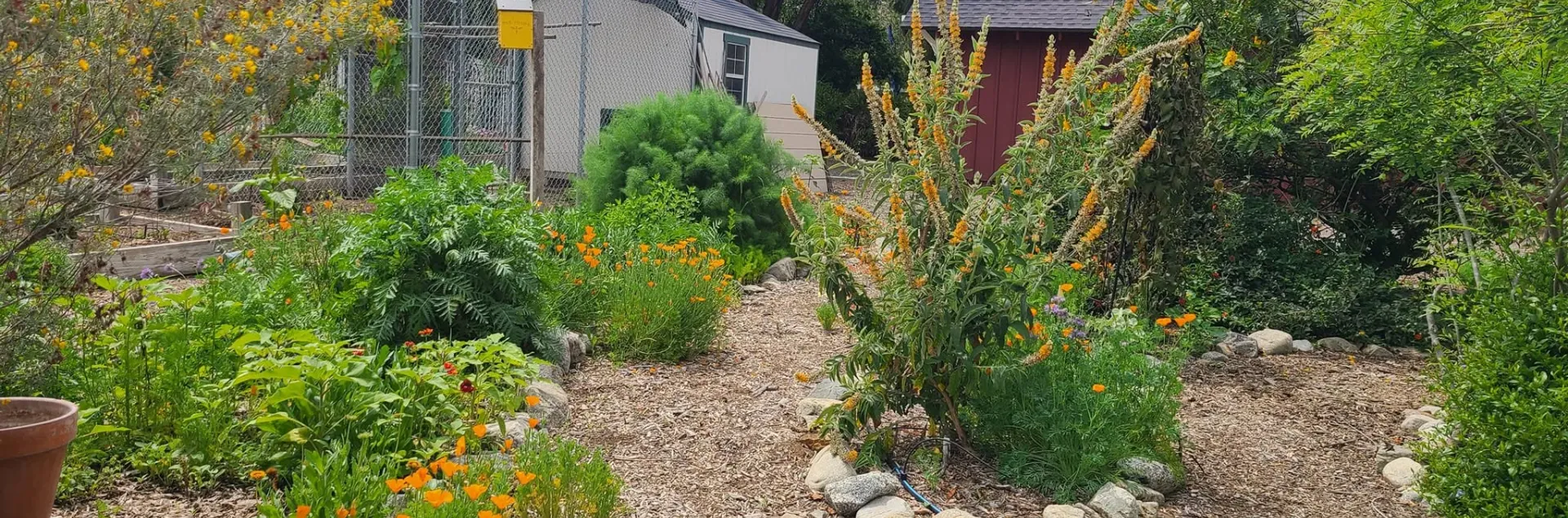
As UC Master Gardener volunteer Lynne Coffman often explains during her presentations on water-efficient landscape design, "Water-efficient landscaping is more than replacing a lawn with gravel." Instead, it involves designing gardens that work with your environment by selecting climate-appropriate plants, using efficient irrigation systems and creating outdoor spaces that everyone can enjoy.
Water has always shaped California landscapes. Today, prolonged droughts, a changing climate and growing demands on our water supply make every drop more valuable than ever. Fortunately, beautiful gardens and water conservation can go hand in hand, especially when residents have the knowledge and support to make informed landscaping choices.
Since 2011, the UC Master Gardener Program of Riverside County's Water Efficient Landscaping (WEL) Committee has partnered with Western Municipal Water District (Western Water) to help residents develop water-wise gardening skills. Through research-based education, the committee empowers home gardeners to create landscapes that thrive in California's climate while using water more efficiently.
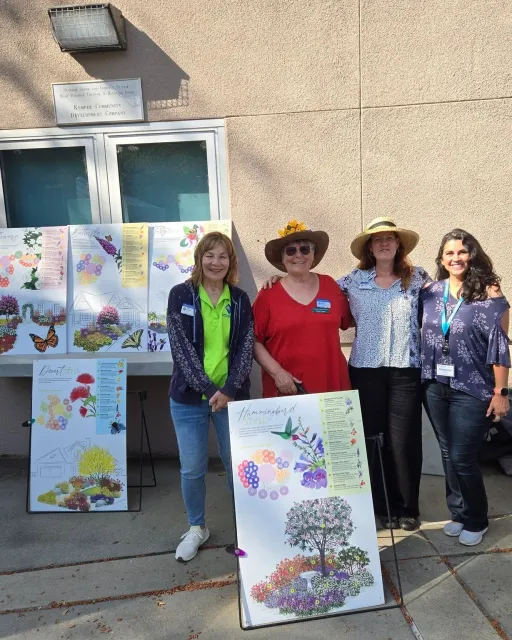
For many years, the committee's 10 dedicated volunteers hosted monthly educational workshops from September through May, taking a brief break in December. Each June, they organized an Ask the Experts event at the Western Water demonstration garden, where local organizations come together to share gardening knowledge and water conservation resources with the community.
Like many educational programs, the WEL workshops transitioned to a virtual format during the COVID-19 pandemic, allowing volunteers to continue connecting with gardeners from home. Now, after several years online, the program has returned to in-person learning with the launch of its quarterly Water Smarts 101 workshop series.
The Spring Irrigation Maintenance workshop welcomed approximately 20 participants. Melody Knox, UC Master Gardener volunteer and WEL Project Lead, is excited to see interest continue to grow as more residents discover these in-person educational opportunities.
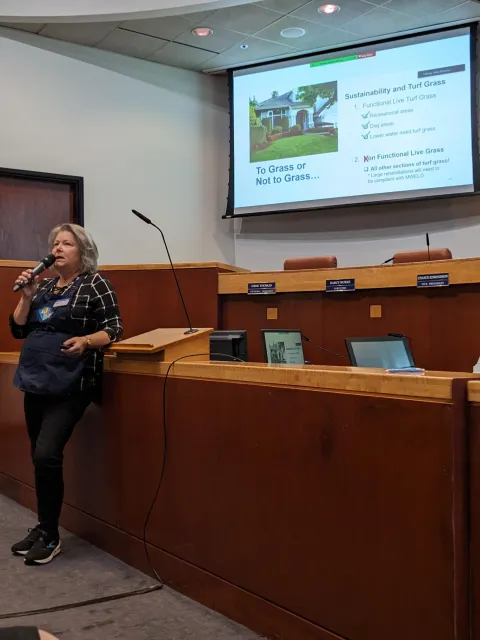
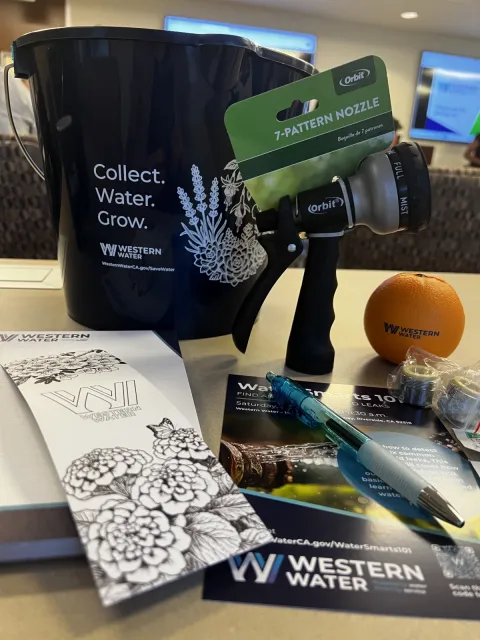
One of the unique aspects of the workshops is that UC Master Gardener volunteers attend alongside members of the public, creating opportunities to learn together and exchange ideas. Following the Irrigation Maintenance workshop led by UC Master Gardeners Lynne Coffman, fellow UC Master Gardener, Georgia Renne, said she "rediscovered how common system issues such as broken sprinkler heads, overspray, and inefficient water schedules show different patterns in the yard." This highlights that the workshop offers meaningful learning opportunities for gardeners of all experience levels, from beginners to seasoned pros. Participants reported meaningful changes in their irrigation practices: 71% said they started using or improved their use of drip irrigation systems, while 60% started using or improved their use of irrigation controls. Everyone leaves with practical knowledge they can apply at home—along with a few fun giveaways.
For Melody Knox, the program's value is closely tied to California's changing water conditions. "The public tends to be interested in water-efficient landscaping when they are being asked to reduce their water use, and this happens from time to time depending on the drought," she said.
By offering practical, research-based information before and during periods of water conservation, the WEL Committee helps residents make informed decisions that benefit both their own landscapes and California's precious water resources.
As California continues to adapt to a changing climate, the conversation around sustainable landscaping continues to evolve. The UC Master Gardener Program of Riverside County continues to be a reliable source of information for residents transitioning their landscape practices to meet their water conservation needs. For example, 83% of workshop participants reported selecting low water-use plants after attending a WEL educational workshop. These workshop support homeowners that are being encouraged—and often incentivized—to replace traditional, water-intensive lawns with diverse, climate-appropriate landscapes that use less water while providing year-round beauty, wildlife habitat, and seasonal interest.
With this partnership, the WEL Committee continues to help residents confidently make this change through research-based education and practical guidance. By helping residents make informed decisions in their own landscapes, the program shows how small changes at home can help protect one of California's most valuable resources—water.
Want to bring water-wise ideas to your own yard? Reach out to your local UC Master Gardener Program for free, research-based advice, or find a workshop near you at mg.ucanr.edu.
AI tools were used in the preparation of this article to assist with organizing content and reviewing grammar, clarity and sentence structure in alignment with UC guidelines. All content was reviewed, verified, and approved by the author prior to publication.