Invasive pest species threaten California's natural environment and can have an impact on public health. Help spread the word about these invasive species and how to limit their introduction, spread, and harm. Learn to recognize these pests and distinguish them from look-alikes.
The invasive pest spotlight focuses on emerging or potential invasive pests in California. In this issue we are covering the brown marmorated stink bug (BMSB). Brown marmorated stink bug facts BMSB can cause severe crop and garden losses and become a nuisance in and around homes and other buildings.
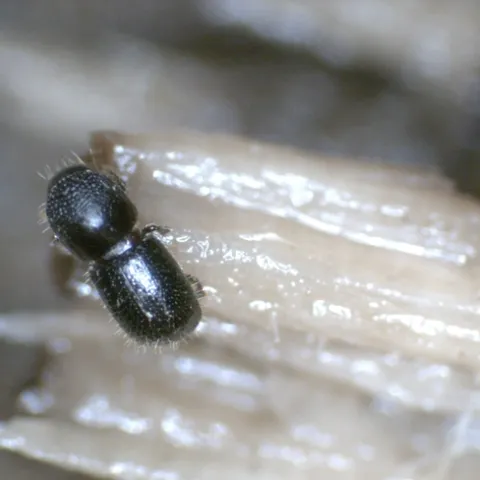
When tiny tree-killing beetles first arrived in Southern California several years ago and began destroying urban and riparian forests, they raised widespread concerns among both tree experts and affected communities.
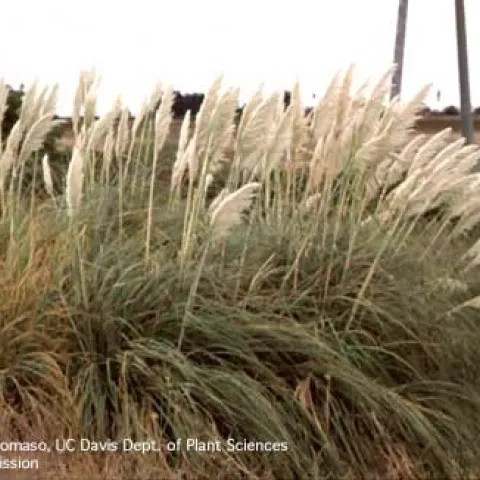
Pampasgrass and jubatagrass facts Pampasgrass (Cortaderia selloana) is a common ornamental landscape plant that readily naturalizes throughout California's coastal areas and some interior regions.
Due to unforeseen circumstances, the webinar scheduled for April 21 has been canceled and will be rescheduled for another date. We apologize for the inconvenience.
Every year, invasive pests cause billions of dollars of damage to California agricultural systems and natural areas. These pests can be weeds, plant pathogens, insects, vertebrates, shellfish and other aquatic species.
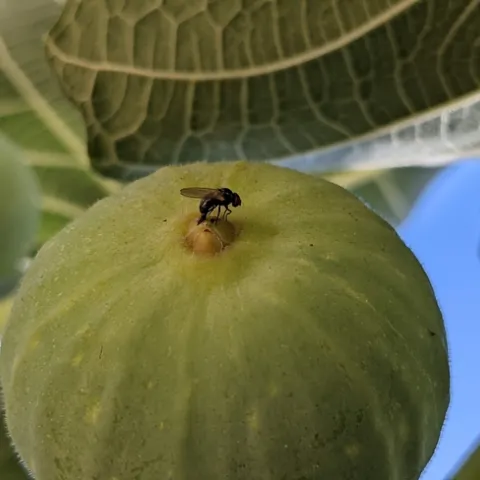
The black fig fly is a new invasive species recently found in Southern California. It has been found in fig orchards in Los Angeles, Orange, Riverside, Santa Barbara, San Bernardino, San Diego, and Ventura counties. This small insect attacks only figs and prefers unripe or unpollinated fruit.
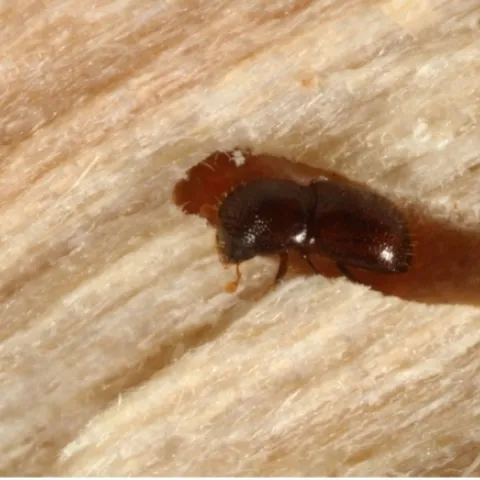
Two identical looking species of wood-boring beetles, collectively known as invasive shothole borers (ISHB), have killed thousands of trees in Southern California and pose an ongoing threat to California's urban and wildland forests.
By Tunyalee Martin, Cheryl A Wilen, Thomas J Getts
California has abundant wildlands forests, rangeland, open areas, wildlife refuges and national, state, and local parks that need protection from invasive plants.

![Features of brown marmorated stink bugs. [Credit: Steve Jacobs, PSU]](/sites/default/files/styles/large_square/public/2022-09/blog95074.jpg.webp?h=43793697&itok=65OAH1Bn)
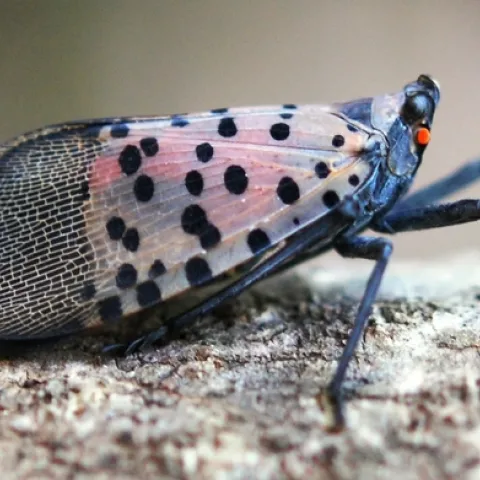
![Spotted lanternfly is an invasive insect not yet found in California. [Credit: Lawrence Barringer, Pennsylvania Department of
Agriculture, Bugwood.org]](/sites/default/files/styles/large_square/public/2022-04/blog90148.png.webp?h=56738f07&itok=ity0TUge)